For years, K-Beauty has dominated the conversation around Asian skincare, introducing American consumers to multi-step routines, sheet masks, essences and an ever-growing list of ingredients. Now, attention is turning east again, this time toward Japan.
J-Beauty is emerging as the next major influence on skincare and spa treatments, but its appeal is different. Rather than chasing the newest 10-step routine or the latest overnight sensation, Japanese beauty traditions tend to emphasize simplicity, ritual, precision and long-term skin health.
For spas, that philosophy presents an interesting opportunity: bringing Japanese techniques and traditions into treatments without simply adding another product to the menu.
“Japanese beauty has always had this beautiful balance of ritual and results,” says Los Angeles-based esthetician Lisa Wilson. “There is a real respect for the skin and for taking the time to care for it properly. I think we're going to see more spas incorporating that philosophy into treatments, particularly as people become more interested in skin longevity rather than quick fixes.”
The Japanese Art of the Cleanse
One of the most fundamental Japanese beauty traditions is also one of the simplest: cleansing.
In the Japanese approach, cleansing is not merely about removing makeup at the end of the day. It is viewed as an essential part of caring for the skin and preparing it for everything that follows.
That philosophy is at the heart of The Japanese Art of the Cleanse, a concept increasingly relevant to today's spa professional as cleansing moves from the first step of a facial to an important treatment in its own right.
There is also an important connection between skincare and relaxation. The right cleansing ritual can do more than prepare the skin. It can help create a sense of calm, almost like a cup of chamomile tea for your skin. The textures, aromas and gentle movements involved in cleansing can turn what is often treated as a functional step into a soothing part of the treatment experience.
Nursery is a prime example. Nursery is where Japanese cleansing expertise meets the power of Yuzu. Created by internationally acclaimed esthetician and CEO Ikuyo Kasuga, Nursery has pioneered “cleansing beauty” in Japan, combining more than 35 years of professional skin expertise with the careful cultivation and benefits of Yuzu.
But not all Yuzu is the same. As agriculture has become increasingly globalized, crops can be grown, replicated and transported around the world, making the source and cultivation of an ingredient increasingly important. For a product built around Yuzu, choosing the right Yuzu matters. Nursery's approach begins with carefully cultivated Japanese Yuzu, rather than simply treating Yuzu as a generic citrus ingredient.
Kasuga's philosophy is straightforward: cleansing should effectively remove makeup and impurities while respecting the skin. Nursery's approach goes beyond simply taking something off the skin. It is about leaving the skin feeling clean, comfortable and cared for.
The brand has sold more than 30 million products worldwide, and Kasuga is now bringing her Japanese approach to cleansing beauty to the U.S.
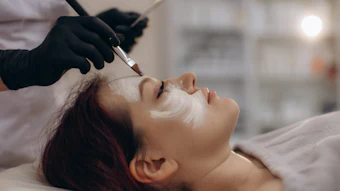
For spas, the appeal is clear. Cleansing can become part of the experience rather than something performed quickly before the “real” treatment begins. A thoughtful cleansing ritual can set the tone for the entire facial, creating a moment of relaxation while preparing the skin.
From K-Beauty to Skin Longevity
Another development helping propel J-Beauty forward is the growing interest in skin longevity.
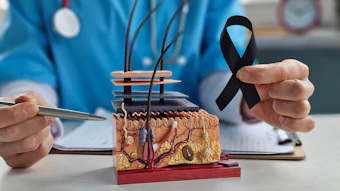
Consumers are increasingly looking beyond traditional anti-aging language and toward maintaining healthy, resilient skin over time. That is opening the door for ingredients and technologies that are less about instant gratification and more about supporting the skin's long-term appearance and function.
Kiyomi Skin has entered the U.S. market at that intersection. The Japanese-inspired skincare line is built around 5-ALA (5-aminolevulinic acid), an amino acid that Kiyomi says supports cellular energy production and skin health. Its newest product, the 5-ALA Radiance Booster Serum, takes that approach a step further with the brand's highest concentration of 5-ALA to date, combined with exosomes, niacinamide, sodium hyaluronate, ceramides, squalane and green tea extract.
Wilson is particularly interested in seeing 5-ALA enter the U.S. skincare conversation.
“What caught my attention about Kiyomi is the focus on what is happening at the cellular level rather than simply masking the appearance of aging,” says Wilson. “5-ALA is an ingredient I'm excited to see more estheticians and skincare professionals explore as the conversation moves toward skin longevity.”
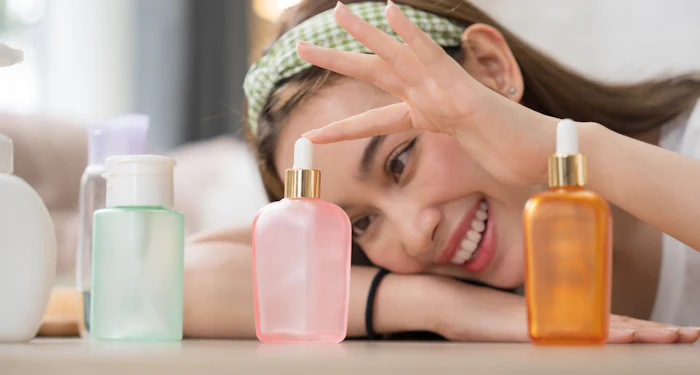
The 5-ALA Radiance Booster Serum which for now completes the Kiyomi line also introduces an unusual twist: it can be mixed directly into a cleanser elevating it into a treatment. “The idea of mixing a serum into a cleanser is something I haven't seen done before,” says Wilson. “It's a very different approach to skincare, and what makes it especially interesting is that you're bringing a concentrated serum into a step that people already perform every day.”
Kiyomi introduced its 5-ALA Radiance Booster Serum to the U.S. this fall, with a distinctly Japanese-themed launch event, bringing together J-Beauty, Japanese-inspired beauty rituals, tea rituals, fashion, musci and the new booster serum. It is an appropriately experiential way to introduce a skincare philosophy rooted in more than a product.
Bringing J-Beauty Into the Treatment Room
For spa professionals, the growing interest in Japanese beauty is less about copying a Korean or Japanese facial step-for-step and more about understanding the philosophy behind it.
That can mean slowing down the cleansing portion of a facial, incorporating intentional massage techniques, paying greater attention to texture and sensory experience, or choosing products based on long-term skin health rather than novelty.
It can also mean educating clients about why the first steps of a treatment matter.
“There's an opportunity for estheticians to make the ritual itself part of the value of the treatment,” Wilson says. “Clients don't necessarily need more steps. They need the right steps, performed well and with purpose.”
That may be the real appeal of J-Beauty.
After years of increasingly complicated skincare routines, Japanese beauty offers a different proposition: fewer distractions, greater intention and a deeper respect for the skin.
For spas looking for the next influence on beauty culture, the Japanese art of cleansing, ritual and skin longevity may be worth watching.