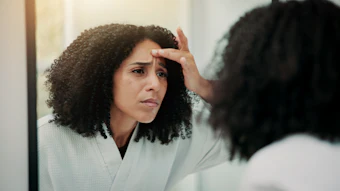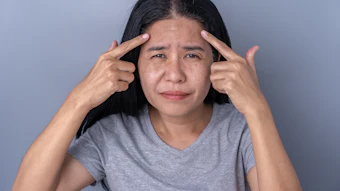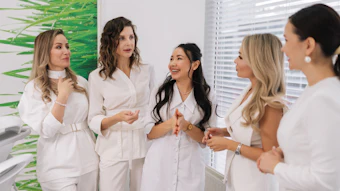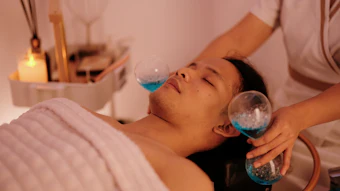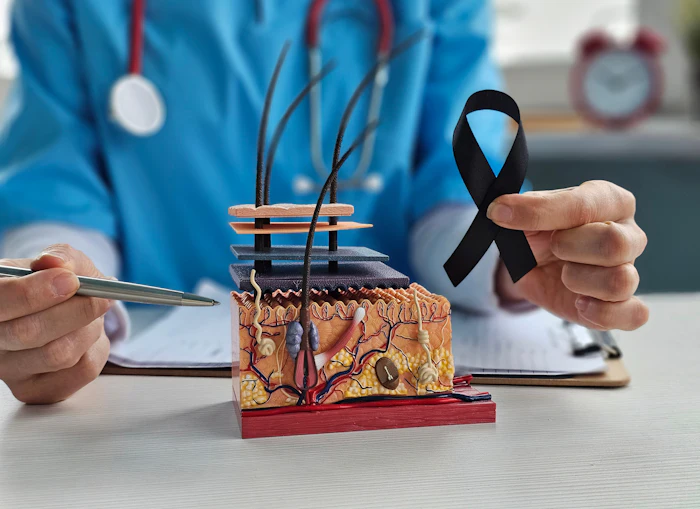
The professional skincare industry is experiencing a profound shift driven by one undeniable reality: cancer is no longer rare among clients. According to the American Cancer Society, approximately 2.1 million new cancer cases are diagnosed annually in the United States. More significant for spa and wellness professionals is that the five-year relative survival rate has reached 70 percent, creating a population of over 18 million cancer survivors who are active, health-conscious, and seeking expert skincare support beyond a standard facial.
A Clientele Redefining the Consultation Chair
Toshianna Baker, a licensed esthetician and executive leader, has built a career at the intersection of artistry, education, and consumer strategy. Toshianna explained that being prepared for oncology clientele is now an operational necessity rather than a niche choice. A documented rise in early-onset breast and colorectal cancers among adults under 50 has introduced a demographic already deeply embedded in preventive wellness culture. These clients expect skin health professionals to be equipped to handle nuanced needs throughout a medical journey. For this population, Baker stated, the spa is not simply a retreat; it is a source of expert guidance that respects a complex medical history and the cellular changes occurring in the skin.
The Spa as Integrative Sanctuary
Medical interventions such as chemotherapy, radiation, and targeted therapies cause severe skin toxicities that standard cosmetic products are ill-equipped to address. Profound xerosis, radiation dermatitis, acneiform eruptions, and compromised barrier function are common reactions that require specialized protocols. Standard spa treatments involving friction, aggressive chemical exfoliants, steam, or deep lymphatic stimulation can be dangerous for oncology clients. Baker noted that advanced postgraduate oncology esthetics training has moved from an optional specialty to an expected baseline, with the focus on safe, barrier-repairing care that mitigates risk while providing essential relief the medical system often overlooks.
Longevity Science and the Role of the Esthetician
The connection between oncology care and longevity science is reshaping what estheticians are called to do. Cancer therapies, while life-saving, accelerate biological aging at a cellular level, inducing senescence and systemic oxidative stress. Baker described oncology estheticians as cellular longevity coaches: professionals who use non-inflammatory, biocompatible ingredients, adaptogens, and gentle energy modalities to down-regulate chronic inflammation, known as inflammaging, triggered by medical treatment. In this role, Baker explained that skin is treated not merely for aesthetic results but to address the accelerated aging that medical interventions can cause actively.
Solutions-Oriented Care for Survivors Who Want to Thrive
Ella Cressman, a resurfacing and problem-skin specialist with nearly two decades of corrective skincare experience, brought a forward-facing perspective to this conversation. Cressman noted that the profession has evolved from simply avoiding harm to actively optimizing skin health. Survivors reject a passive patient identity. A personalized facial or treatment protocol is a way to restore bodily autonomy and reclaim a sense of self that the medical journey can obscure. Cressman stated that clients now seek sophisticated, customized routines that rebuild the skin microbiome, safely address hyperpigmentation, and restore a healthy glow. Oncology esthetics, Cressman explained, proves that skin health is intrinsically tied to systemic wellness, and guiding a client to thrive after a diagnosis is among the most profound transformations a professional can offer.
Advocacy and Early Detection
Because estheticians see clients more consistently than nearly any other professionals, the treatment room is a powerful space for early-detection advocacy. Cressman and Baker both stressed that observation-based conversations should stem from education and trust, never fear. Subtle changes in the size, color, or border of a lesion may go unnoticed by clients who see themselves daily; a trained professional reviewing the skin repeatedly over time is positioned to notice what others miss. Cressman noted that skin cancer does not always present as expected: melanoma is not always dark, squamous cell carcinoma may resemble a non-healing blemish, and basal cell carcinoma can appear translucent or pearly. The recommended approach is objective communication within the scope of practice, using language such as "This is something worth having evaluated by a dermatologist." Sun protection conversations, Cressman added, should shift from SPF reminders to discussions of cumulative daily exposure and the importance of consistent reapplication.
Managing Treatment Side Effects: What Professionals Must Know
Christine Clinton, founder of Clinton Cancer Care and chair of the Wellness for Children Initiative, is a recognized leader in mental wellness advocacy. Clinton pointed out that one in two Americans will receive a cancer diagnosis in their lifetime, and while survivorship rates are increasing, side effects involving hair, skin, and nails remain a major quality-of-life challenge. More than 32 documented skin changes result from various treatments, including the estimated glomerular filtration rate (eGFR) rash and maculopapular reactions, as well as xerosis, pruritus, persistent erythema, extreme photosensitivity, radiation dermatitis, hypo- and hyperpigmentation, and hand-foot syndrome. Clinton explained that while many of these concerns resolve after treatment concludes, numerous individuals continue to manage skin issues long-term, requiring specialized care to repair the skin barrier, improve hydration, and restore balance. The industry, Clinton stated, has a responsibility to meet that need with both clinical competence and compassionate support.
Integrative, Inclusive, and Collaborative Care
Lashelle Ullie, a licensed skin health professional with 20 years of experience in oncology care and men's skin health, brings an integrated perspective shaped by work with organizations including the Tower Cancer Research Foundation and Lipstick Angels. Ullie explained that oncology-trained estheticians who collaborate with oncologists and nurses become trusted referral partners, helping clients understand how to care for skin before, during, and after treatment. Beyond addressing physical effects, Ullie noted that many survivors experience a loss of confidence and connection to personal identity; a trained professional can guide restorative self-care that prioritizes comfort and dignity. As longevity and integrative wellness clinics expand, Ullie identified growing opportunities for medically supported therapies, including LED light therapy, lymphatic support, and hydration-focused IV therapy, to become part of the survivorship conversation. Ullie also identified a significant gap in reaching male survivors and marginalized communities, where stigma and limited education on supportive care remain barriers. Oncology esthetics, in this context, is the ultimate expression of modern, responsible skin-health advocacy: bridging the gap between medical necessity and the human need for touch, beauty, and autonomy.
References
American Cancer Society. (2024). Cancer Facts and Figures 2024.
National Cancer Institute. (2024). Cancer Stat Facts: Cancer Survivorship.
Oncology Spa Solutions. Advanced Oncology Training for Skin Health Professionals.
Greet The Day. Oncology Massage and Esthetics Certification Programs.
Global Wellness Institute. Wellness for Children and Mental Wellness Initiatives.
Contributor Bios
Toshianna Baker
Toshianna Baker is a licensed esthetician and executive leader who specializes in designing consumer-centric learning and storytelling experiences that elevate professional teams.
Christine Clinton
Christine Clinton is the Founder of Clinton Cancer Care, Chair of the Wellness for Children Initiative, and a Global Wellness Institute award recipient for leadership in mental wellness.
Ella Cressman
Ella Cressman is a corrective skincare specialist, owner of Ella Cress Skin Care, and CEO of HHP Collective. She is a frequent industry contributor and co-host of the ASCP Esty Talk podcast.
Lashelle Ullie
Lashelle Ullie is a licensed skin health professional with 20 years of experience specializing in oncology care and men's skin health through an integrated wellness approach.
Sherrie Tennessee
Sherrie Tennessee, Ph.D., is the founder of SpaSOS Wellness Business Education and a seasoned spa, wellness, and hospitality professional with over 20 years of experience, a keynote speaker, and a published author. She has held leadership roles including Director of Spa and Wellness at a Forbes-rated property and Group Education Manager at Sandals Resorts International.