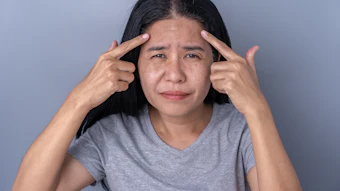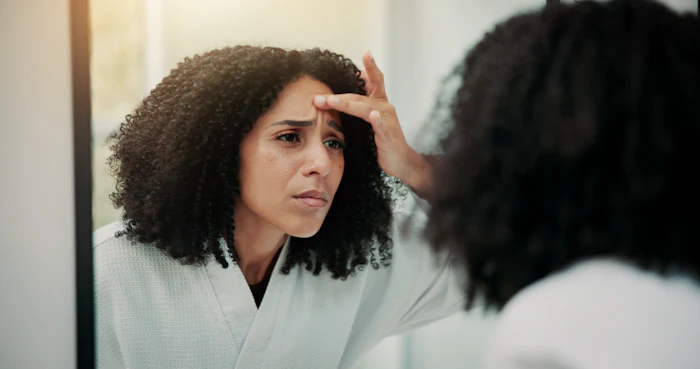
A client walks into your treatment room frustrated. She’s been using professional skincare and diligently following every recommendation, yet her skin seems to have changed overnight. The breakouts along her jawline weren't there six months ago, her skin suddenly feels both dry and congested, and she is more reactive than ever before. Then she says something you've likely heard a dozen times: "I don't understand. I'm doing everything right."
As estheticians, most of us have cared for this exact client. In fact, you may have seen several just this week.
Our first instinct is often to re-evaluate products, ingredients, or treatment protocols — asking ourselves if we should change his/her cleanser, step up exfoliation, or introduce a new active serum. Over the years, however, I’ve found myself asking a fundamental question:
What if the skin isn't the problem? What if it's trying to tell us something?
That simple shift in perspective completely transforms consultations, treatment plans, and client education. It serves as a reminder that while we work on the body's largest organ, the skin never functions in isolation— it is constantly responding to what's happening internally.
Hormones, Meno and Mano-Pause, stress, sleep, nutrition, medications, inflammation and overall health all heavily influence skin behavior. While diagnosing internal conditions is strictly outside our scope of practice, recognizing that these factors are influencing the skin absolutely is not. The skin leaves clues. Our job is to gather those clues, ask thoughtful questions, and recognize when a situation calls for a modified treatment plan or a referral to a medical professional.
Becoming a Skin Detective
One of the most rewarding aspects of esthetics is that no two clients are identical. Two people can present with acne for entirely different reasons: one might have congestion from improper home care, while another is navigating perimenopause. Someone else's sudden breakouts may stem from acute stress, a medication change, or metabolic shifts they haven't yet connected to their skin.
While the temptation is to treat what we see, the real opportunity lies in understanding why we're seeing it.
I often encourage estheticians to think like detectives — not to deliver medical diagnoses, but to gather meaningful information. Every consultation provides pieces of a broader puzzle. The location of a breakout, the speed of post-treatment healing, a sudden increase in sensitivity, or subtle changes in pigmentation are all clues. When we approach the skin with curiosity rather than assumptions, we naturally become better, more effective practitioners.
The Consultation Is Where the Treatment Begins
I’ve always believed that individual Consultation is the single most important phase of any service. Long before we cleanse the skin or select targeted products, we are building a comprehensive picture of our client's overall health and lifestyle.
Often, the most valuable question we can ask isn't "What products are you using?" but rather, "What has changed?"
- Has your stress level recently spiked?
- Have you started or changed medication?
- Have you started Hormone or Peptide therapies?
- Are you sleeping differently, or have your cycles shifted?
- Have you noticed changes in your energy or overall metabolic health?
Clients rarely realize life changes connect to their skin until we bridge a gap for them. More often than not, asking these questions brings a sudden moment of clarity, and the lightbulbs start to go off alongside the bells and whistles:
"Oh... I think I started menopause six months ago," or "I've been getting HRT treatments”
Those light bulb moments reinforce that skin care isn't just about managing surface products, it's about understanding the human being sitting in front of us.
Hormones: The Silent Conversation Beneath the Skin
Hormones carry on a constant dialogue with the skin, influencing oil production, hydration, collagen synthesis, pigmentation, wound healing, and inflammatory responses. When those internal chemical messages change, the skin changes right along with them, which is why we see such dramatic shifts during puberty, pregnancy, postpartum, perimenopause, and menopause. This is now more seen in both men and women, too!
… And No amount of aggressive exfoliation, trendy ingredient or social media banter can reverse a systemic hormonal shift. What we can do is adjust our treatment goals, protect the skin barrier, support natural function and offer clear education. Sometimes, reassurance and validation are just as valuable as the clinical treatment itself.
Looking Beyond Hormones
Hormones are only one piece of a complex picture; the skin is continually influenced by the whole person.
- Chronic stress elevates cortisol, driving up systemic inflammation and compromising barrier integrity.
- Poor sleep hinders critical overnight repair and recovery processes.
- Nutritional gaps impair wound healing and collagen synthesis.
- Medical conditions like thyroid disorders, diabetes, autoimmune diseases, and PCOS alter how skin responds to topical treatments.
While none of these conditions are ours to diagnose, recognizing their presence allows us to make safer, smarter care decisions. Knowing when a client would benefit from consulting a physician isn't stepping outside our scope — it is practicing at the highest standard within it.
Treating the Skin That's in Front of You
Experience has taught me one crucial lesson: Not every client needs a stronger peel; sometimes they just need a new routine that isn’t going to destroy the barrier!
We work in an industry that heavily celebrates dramatic correction, but correction isn't always the first priority. If the skin is inflamed, reactive, dehydrated, or compromised, our primary role is to calm, restore, and strengthen before even considering aggressive resurfacing. When clients feel that we understand why their skin is reacting, they feel heard, safe, and truly cared for — building a foundation of deep professional trust.
Collaboration Strengthens the Profession
In my world, one of the most exciting shifts in modern esthetics is engaging in collaborative care. The best client outcomes happen when estheticians, dermatologists, primary care providers, endocrinologists, and dietitians/nutritionists can work in harmony. Our goal isn't to replace medical professionals, but to recognize when interdisciplinary support serves the client best. My famous saying to my clients is “When in Doubt, Refer Out.” Referring to when something seems off isn't a failure— it's a sign that you are paying attention to your clients’ stated needs and actually care about their desired outcome.
Listening to What the Skin Is Saying
Great estheticians don't simply look at skin, they listen to it.
Our job isn't to have every single answer, but to ask better, deeper questions. When we trade reactivity for curiosity, view consultations as clue-gathering opportunities, and educate with both confidence and compassion, we elevate our entire profession. Healthy skin is rarely just what we apply to the surface — it reflects the remarkable system within.
I believe that the greatest gift we can give our clients is simply helping them understand what their skin has been trying to say all along.