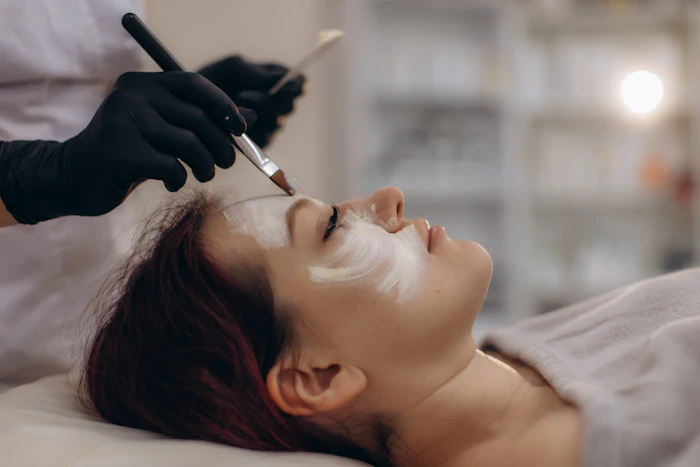
As temperatures cool and clients spend less time in direct sun, chemical peels become one of the most requested treatments. They can improve acne, pigmentation, texture, dullness and early signs of aging, making them one of the most versatile tools we have in the treatment room. But peels aren't just for fall. With the right superficial peel, consistent sunscreen use and thoughtful planning, many clients can benefit from professional exfoliation year-round.
The idea that every peel has to stop when summer arrives is outdated, but reduced UV exposure may allow us to increase frequency and use more corrective approaches. In reality, fall isn’t the beginning of “peel season,” it’s when we can build on progress created all year.
Start With the Right Candidate, Not the Right Peel
One of the biggest mistakes I see when reviewing cases with skincare professionals is focusing on the peel before fully evaluating the person receiving it. It’s easy to jump straight into treatment planning. Before choosing an acid, strength, layer count, or contact time, ask a different question: Is this skin ready for a peel right now?
A client may have hyperpigmentation, congestion, dullness, or uneven tone that would benefit from a peel but that doesn’t automatically make them treatment-ready. Don’t forget to look beyond the presenting concern. Is the skin barrier healthy enough to receive a mild peel? How reactive is the skin? Is there inflammation or dehydration? Is the client using retinoids, exfoliating acids, prescriptions, or other corrective treatments?
One trend I consistently see is clients normalizing irritation because they assume it means their products are working. Constant redness, burning, stinging, or excessive peeling may indicate a barrier already under stress. If the skin is struggling before a peel, it’s unlikely to respond optimally afterward. Some of the best decisions happen when we choose not to treat that day. A few weeks restoring balance and supporting barrier function can create a better foundation. Clients may not love hearing “not yet,” but they often appreciate that you have their best interests in mind.
Why Barrier Health Matters More Than Ever
We've all had the client who tells us they have a "simple" routine, only to discover they're rotating between three exfoliating serums, a retinoid, a scrub and whatever product is trending on social media that week. It's no surprise that barrier impairment has become one of the most common challenges skincare professionals are navigating today.
The skin barrier is doing far more than most clients realize. It's helping maintain hydration, regulating inflammation and protecting the skin from the constant stress of everyday life. When that barrier is compromised, the skin becomes more reactive. Redness, burning, stinging, dryness, flaking and prolonged recovery all become more likely, and those responses affect treatment outcomes.
Chemical peels work because they create a controlled injury within the skin that stimulates renewal. That's exactly what makes them effective. But, that renewal depends on the skin having enough resilience to repair itself afterward. Correction can only move as fast as the barrier can recover because healthier barriers almost always lead to better peel tolerance and more predictable results.
Fall Is the Time to Elevate, Not Start Over
One of the biggest misconceptions about peel season is that fall is when corrective treatments begin. In reality, some of the best transformations start long before the weather changes.
Clients who have spent the year protecting their barrier and following a consistent home-care routine often arrive in fall ready to build on that progress, not start over. Superficial peels performed throughout the year can help maintain clarity, encourage healthy cell turnover, and gradually improve concerns over time. As UV exposure decreases, treatment plans may become more corrective through increased frequency, advanced peel options, strategic layering, or a stronger focus on pigmentation, texture and acne scarring.
Rather than thinking of fall as the beginning of correction, think of it as the season to build momentum. The work you've already done throughout the year allows you to move forward with greater confidence and often achieve even better results.
Customization Is Everything
Stop asking what the strongest peel is you can perform. Start asking what this skin needs today. That shift in thinking changes everything. Two clients may walk in with the same concern, but that doesn't mean they need the same treatment. Barrier health, lifestyle, sensitivities, home care, treatment history and even how their skin responded to previous treatments should all influence your approach.
I like to think of peels the same way I think about exercise. Two people can have the exact same goal, but they don't start with the same workout. Their starting point, intensity and recovery all look different, and skin is no different. The goal isn't to perform the most aggressive peel possible, but to deliver the right amount of stimulation while preserving the skin's ability to recover.
For Hyperpigmentation
When treating pigmentation, more isn't always better.
Overly aggressive treatments can create additional inflammation, which may worsen discoloration, especially in clients prone to post-inflammatory hyperpigmentation.
A well-designed series almost always outperforms one aggressive peel. Slow, consistent progress paired with diligent home care typically produces healthier skin and more predictable results.
For Acne
Acne clients require an especially thoughtful approach. Exfoliation absolutely has a place in acne management, but active inflammation should influence every treatment decision, from peel selection and strength to frequency and layering. The goal isn't to create more inflammation in hopes of getting faster results. It's to support healthy cell turnover, reduce congestion and move the skin toward balance.
For Aging and Texture Concerns
Clients looking to improve texture, brightness and fine lines often benefit from a progressive treatment plan rather than a single intensive peel. One of the most valuable conversations you can have is setting expectations early. Rejuvenation isn't one appointment, it's a series of thoughtful decisions over time. When clients understand that, they're much more likely to choose consistency over quick fixes.
For Sensitive Skin
A sensitive client isn't automatically a poor peel candidate. Often success comes down to lower strengths, shorter contact times, fewer layers and longer intervals between treatments to deliver meaningful results without overwhelming the skin. Sensitive skin doesn't always need to be excluded. It just needs to be understood.
Do Not Skip the Prep Work
One of the biggest predictors of a successful peel isn't what happens during the appointment, it's what happens in the weeks leading up to it. A client's home-care routine should support your treatment plan, not compete with it. Sometimes preparation means reducing exfoliation. Other times it means adjusting active ingredients, prioritizing hydration, strengthening the barrier, or reinforcing the importance of daily sunscreen.
Those changes don't just prepare the skin, they also tell you how the skin behaves. If a client becomes highly reactive after a small adjustment in home care, that's valuable information when deciding whether they're truly ready for a peel. Sometimes the best peel you'll perform is the one you decide to postpone, not because the skin doesn't need correction but because it needs preparation first.
Common Peel Season Mistakes
Even the best peel protocols can fall short when we lose sight of the fundamentals. Over the years, I've noticed the same few patterns come up again and again. They're easy mistakes to make, but they're also some of the easiest to correct once you recognize them.
Mistake #1: Equating More Peeling with Better Results
One of the biggest misconceptions surrounding chemical peels is that visible peeling equals a successful treatment. Many clients still judge their results by how much skin sheds, and if we're not careful, our industry can unintentionally reinforce that belief.
The reality is that visible peeling isn't a measure of effectiveness, it’s merely a side effect. I've seen clients make incredible progress with very little flaking, and I've seen aggressive treatments create a great deal of inflammation without producing better results.
The goal isn't maximum peeling; it's healthy and controlled renewal. When clients understand that they begin focusing on healthier skin instead of dramatic downtime, and that's a much better measure of success.
Mistake #2: Ignoring Inflammation
Inflammation has a way of quietly changing the course of a treatment plan.
When you see persistent redness, irritation, sensitivity, or signs of barrier disruption, resist the urge to push forward with more correction. Instead, pause and ask yourself a different question: Does this skin need more correction, or does it need more support?
Mistake #3: Increasing Intensity Too Quickly
Every peel should earn the next peel. It can be tempting to assume that each treatment needs to be stronger than the last, but progression isn't about increasing intensity, it's about responding to the skin in front of you. Look at how the client healed. Consider their sensitivity, their home-care compliance, and whether the previous treatment moved them closer to their goal. Those answers should guide your next decision far more than the calendar or the number of treatments they've completed. The skin will tell you what it's ready for.
The Real Work Happens After the Peel
The peel itself may only take 30 to 60 minutes, but that's only one part of the treatment.
What happens over the next several days often has just as much influence on the final outcome. Before your client leaves, make sure they know exactly what to expect. Walk them through what they'll likely experience over the next several days, how to care for their skin at home, which products to avoid, and when they should reach out if something doesn't seem right.
Clear expectations don't just improve compliance, they build trust. When clients understand what's happening and why, they're far more likely to follow your recommendations and feel confident throughout the healing process. A successful peel is measured by how well the skin recovers afterward.
Final Thoughts
If there's one idea I hope you take away from this article, it's this:
Peel season isn't about performing the strongest peel you can. It's about making thoughtful clinical decisions that help your clients reach their goals safely, consistently and sustainably. The best outcomes come from evaluating the whole picture -- barrier health, lifestyle, home care, treatment history and the skin's ability to heal.
After years behind the chair and now spending my days educating, troubleshooting and reviewing cases alongside estheticians, one lesson continues to stand out:
The best results come from doing what's right for the skin in front of you. Sometimes that means challenging the skin, but sometimes it means supporting it instead.
Knowing the difference is what separates a good peel provider from a great one.
Great peel providers are remembered for making thoughtful clinical decisions, helping clients build healthier skin, and earning the trust that keeps clients coming back long after peel season is over.