Today's spa clients are seeking more than healthy-looking skin, they're looking for experiences that leave them feeling calmer, more connected and genuinely cared for. Increasingly, skincare professionals recognize that every detail of a treatment from lighting and sound to touch, texture and scent can shape how a client feels long after leaving the treatment room.
As October's Breast Cancer Awareness Month reminds us, many clients visit spas while navigating life transitions, including recovery from illness or medical treatment. Creating thoughtful, personalized sensory experiences can offer comfort during those times, while enhancing the experience for every client, regardless of where they are on their wellness journey.
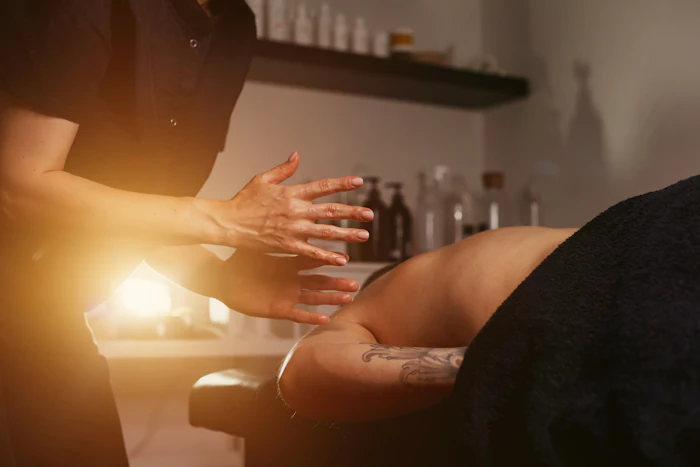
A sensorial spa experience begins before the first product touches the skin. Soft lighting, carefully curated music, luxurious linens and a welcoming atmosphere all help clients leave the outside world behind and prepare both body and mind for treatment. Many spas also personalize aromatherapy, selecting scents based on a client's preferences and sensitivities rather than using a one-size-fits-all fragrance.
For Lisa Wilson, founder of Lisa Wilson Skin Care Los Angeles, a boutique skincare studio in Brentwood specializing in customized results, those details become especially meaningful when working with clients whose skin may be more delicate or reactive.
"When working with clients who are either finished with their chemotherapy treatment or still having it, it is important that they feel safe on entering my treatment room," says Wilson. She lowers the lights, softens the music and ensures clients are comfortably covered before entering the room so they never feel unnecessarily exposed or vulnerable. When appropriate, gentle inhalation aromatherapy can further encourage relaxation.
Wilson also believes treatments should be adapted to each client's individual needs and comfort level. She favors gentle products free of mineral oil, alcohol, heavy fragrances, artificial colors and unnecessary additives. Double cleansing, mild exfoliation when appropriate, barrier-supporting products and gentle effleurage techniques on the hands and feet help nurture the skin without overstimulation.
Just as important, she says, is maintaining communication throughout the service by asking clients how they are feeling and adjusting treatments accordingly. Her care extends beyond the facial itself, often following up afterward to check on a client's comfort and answer any questions.
While skincare addresses the skin, sensory experiences often influence how clients experience the treatment itself.
Aleece Fosnight, MSPAS, PA-C, CSC-S, CSE, IF, MSCP, HAES, Founder and Director, Fosnight Center for Sexual Health, says experiences that encourage relaxation can help individuals reconnect with themselves in meaningful ways. "Sensorial spa experiences should never be viewed as a luxury," she says. Gentle therapeutic touch, mindful massage when clinically appropriate, warm hydrotherapy, guided breathwork, meditation, sound therapy and restorative facials can all create opportunities for clients to slow down and experience moments of calm.
She also emphasizes that simple rituals including mindful skincare, warm baths, soft fabrics and gentle stretching or yoga can be equally powerful because they encourage people to reconnect with their bodies through compassion and self-care.
For clients whose skin or senses have changed following medical treatments, personalization becomes especially important. Fosnight notes that some individuals may find carefully selected scents deeply calming, while others may experience heightened sensitivity to fragrance. Rather than assuming what feels relaxing, practitioners should allow each client's preferences to guide the sensory experience.
A truly holistic approach to wellness recognizes that confidence extends beyond healthy skin. Fosnight notes that life events, including breast cancer treatment, can affect how people feel about their bodies. Supportive self-care rituals from nourishing skincare to restorative touch, can help individuals rebuild comfort and confidence over time.
She also believes conversations around intimate wellness deserve greater normalization as part of overall well-being. For individuals experiencing vaginal dryness or discomfort, body-safe personal lubricants, such as Uberlube, may become one component of a broader self-care routine that supports comfort and intimacy when appropriate.
"Healing extends beyond scans and blood tests," Fosnight says. "Supporting the nervous system, restoring confidence, and creating positive sensory experiences are all part of helping women move from surviving cancer to truly living well afterwards."
Candice Nicole, founder of HUmineral, says growing interest in naturally derived ingredients reflects consumers' desire for wellness-focused skincare. She points to humic and fulvic minerals for their antioxidant properties and believes formulations that support healthy-looking skin while complementing the skin's natural balance continue to resonate with wellness-minded clients.
For estheticians, ingredient selection is only one piece of the overall experience. Texture, application, aroma and how products make clients feel during treatment all contribute to creating memorable services.
As client expectations continue to evolve, the most successful spas are creating experiences that engage all the senses, not simply delivering visible skincare results.
Whether welcoming a first-time facial client, someone managing everyday stress or an individual rebuilding confidence following a significant life event, sensory details matter. A quieter room. Softer lighting. Thoughtful communication. Gentle touch. Carefully selected products.
October's Breast Cancer Awareness Month reminds the industry that compassionate care can take many forms. Fortunately, the same principles that help create a comforting environment for someone navigating life's challenges also elevate every spa experience.
Because ultimately, exceptional skincare isn't just about how clients look when they leave, it's about how they feel while they're there.