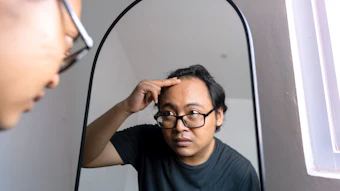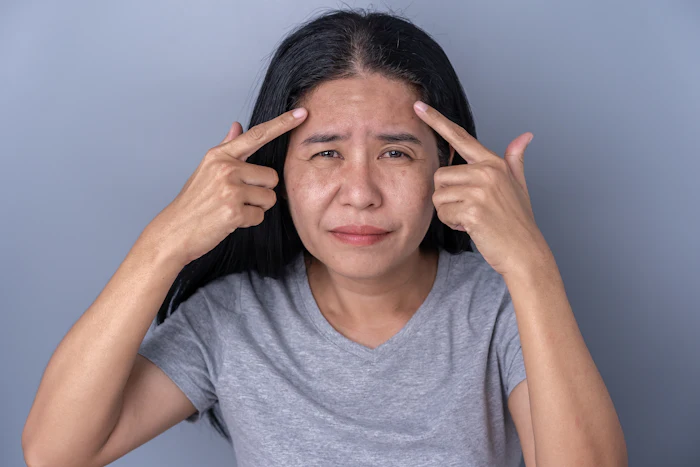
A decade ago, most clients came into the treatment room with straightforward goals. They wanted clearer skin, fewer breakouts, better hydration, or support for visible signs of aging. While every client was unique, treatment planning often felt relatively predictable.
Today, many practitioners are working with a very different client population. They are making similar demands, but how we get them there has shifted.
Increasingly, clients arrive describing themselves as exhausted, overwhelmed, burned out, anxious, chronically inflamed, or sensitive to seemingly everything. Most report poor sleep. Many are recovering from illness, surgery, caregiving responsibilities, hormonal transitions, or prolonged periods of stress.
Their skin often reflects what is happening beneath the surface. Redness, impaired barrier function, delayed recovery, unpredictable sensitivity and reactivity, and treatment outcomes that seem less consistent than they once were have become common concerns in treatment rooms across the country.
After conversations with estheticians, spa leaders, and educators over the past several years, I found myself wondering whether we are witnessing the influence of a variable that has historically received far less attention in professional skin care: nervous system health. As research continues to expand our understanding of the brain-skin connection, a growing body of evidence suggests that nervous system regulation may strongly influence inflammation, skin barrier function, wound healing, sensory perception and overall skin resilience. More importantly for practitioners, it may help explain why treatment outcomes can vary so dramatically from one client to another — even when the same protocol is used.
The Client Has Changed
The conversation around stress and skin is not new. Most estheticians understand that stress can contribute to breakouts, inflammatory conditions, and accelerated signs of aging. However, what feels different today is the scale of the issue.
According to the American Psychological Association's Stress in America research, a significant percentage of Americans continue to report stress levels that negatively impact both physical and emotional health. Sleep disturbances, fatigue, anxiety, and chronic health concerns remain common experiences for many adults. At the same time, estheticians are seeing more clients living with autoimmune conditions, chronic inflammatory conditions, sluggish post-treatment recovery, hormonal changes, and ongoing life stressors that do not always fit neatly into traditional consultation forms. Many are not acutely ill. Yet they are not fully well either. They exist somewhere in between.
That "in-between" space has become increasingly important for practitioners to understand because it often influences how clients respond to touch, stimulation, products, treatment environments, and even the experience of receiving care itself.
Looking Beyond Stress
The term stress is often used as a catchall explanation, but from a physiological perspective, nervous system regulation may be the more useful lens. The autonomic nervous system helps regulate countless functions throughout the body, including heart rate, digestion, immune activity, and recovery processes. When the body spends prolonged periods responding to physical, emotional, environmental, or psychological demands, it can become more difficult to shift into restorative states associated with repair and recovery. The skin is intimately connected to these processes.
Both the skin and nervous system originate from the ectoderm during embryonic development. Researchers now recognize the skin as a complex neuro-immuno-endocrine organ that communicates continuously with the brain and the immune system. This connection has helped give rise to fields such as psychodermatology, which examines the relationship between psychological factors and skin health.
Research has demonstrated associations between stress and conditions such as acne, psoriasis, eczema, and atopic dermatitis. In psoriasis, studies have found that stress may precede disease flare-ups in a substantial percentage of patients and may contribute to recurrence in susceptible individuals. None of this suggests that skin conditions are "all in someone's head." Rather, it highlights the reality that skin function is influenced by a broader physiological environment than many practitioners were originally trained to consider.
Why Treatment Outcomes May Be Changing
One of the most interesting questions emerging from this research is whether nervous system state influences not only skin condition but also treatment responsiveness. Most practitioners have encountered two clients with remarkably similar concerns who experience dramatically different results.
One responds quickly. Meanwhile, the other progresses more slowly despite strong compliance and consistent professional care. Of course, multiple factors influence treatment outcomes, including genetics, lifestyle, health status, medications, and environmental exposures. Nervous system regulation is not the sole explanation. It may, however, be one of the missing variables. Practitioners willing to assess things from this lens are able to provide feedback and pivots to treatment plans that are driving greater success.
Inflammation
Chronic physiological stress has been associated with increased inflammatory activity throughout the body. Since many skin concerns involve inflammatory pathways, it is reasonable to consider how ongoing nervous system activation may contribute to persistent redness, flare-ups, or slower resolution of symptoms. This is especially essential when adding the use of certain actives in treatment whose outcomes depends on controlling inflammatory response in the treatment room and in post-care regimens.
Barrier Function
Barrier repair has become one of the defining conversations in modern skin care. And rightly so.
While product selection remains critical, practitioners are increasingly observing clients whose barriers appear fragile, compromised, or slow to recover. Emerging research suggests that stress physiology may influence barrier recovery processes, potentially affecting the skin's ability to maintain resilience over time.
Recovery and Healing
Clients frequently ask why their skin seems to take longer to recover than it once did. The answer is rarely simple. So many factors come into play, such as age, health history, medications, sleep duration and quality, nutrition, and inflammation. Nervous system state may be another factor worth considering, particularly when recovery appears slower than expected.
The Missing Conversation: Treatment Perception
One aspect of nervous system regulation receives surprisingly little attention within professional skin care. Treatment perception.
In recent years, I have noticed that clients often experience treatments differently than they did a decade ago. A pressure level that once felt relaxing may suddenly feel overwhelming. A room fragrance that previously enhanced the experience may now feel overstimulating. Music volume, lighting, temperature, and sensory input that once seemed insignificant can become major factors in client comfort. It is tempting to view these situations as individual preferences. Increasingly, I am led to believe they also provide clues about nervous system state.
The nervous system helps determine how sensory information is processed and interpreted. When someone arrives in a heightened state of activation, their threshold for stimulation may be very different than someone who feels rested, regulated, and well-resourced. For practitioners, this observation can be incredibly valuable. So many times, the issue is not the treatment itself. Sometimes the issue is the amount of stimulation the client's system can comfortably process that day.
These observations have gradually changed the way I think about treatment planning. Historically, spa professionals were trained to determine whether a service could be performed safely. Contraindications remain essential and should never be minimized.
At the same time, many of today's clients do not fall neatly into a contraindicated-or-not-contraindicated category. Instead, they require thoughtful adaptation. This realization led me to develop what I call the Adaptive Care Framework, a professional model designed to help practitioners respond to the realities of today's client population. The framework recognizes that many clients are navigating chronic stress, inflammation, recovery states, emotional overwhelm, fatigue, pain sensitivity, or nervous system dysregulation while still seeking professional services. Rather than asking whether care should be excluded altogether, the framework encourages practitioners to consider how care can be adapted safely and ethically. It emphasizes modifications in areas such as touch, positioning, sensory load, communication, pacing, and modality selection while remaining firmly within scope of practice. The goal is not to diagnose or treat illness. The goal is to create safe, restorative experiences that meet clients where they are. This shift from exclusion to adaptation has become increasingly relevant as client needs continue to evolve.
In practical terms, adaptation may be as simple as reducing sensory stimulation, adjusting pressure, modifying positioning, allowing additional transition time, or changing expectations around treatment intensity. These adjustments often require very little additional equipment or cost. What they require is awareness.
The Future of Skin Care May Be More Human Than We Expected
The future of professional skin care will continue to be shaped by advanced ingredients, innovative technologies, and increasingly sophisticated treatment modalities. Those advancements matter. Yet as our understanding of the brain-skin connection grows, another opportunity is emerging. It asks us to look beyond the skin itself.
The clients entering our treatment rooms today are carrying more than visible skin concerns. They are carrying the physiological effects of modern life, ongoing stress, recovery journeys, caregiving responsibilities, health challenges, and countless experiences that may never appear on an intake form. Assessing skin condition will always be part of our role. Understanding capacity, resilience, and regulation may become just as important. Because the question may no longer be limited to, "What treatment does this client need?" Increasingly, practitioners may also need to ask, “What state is this client arriving in?” The answer could influence far more than the treatment plan. It may influence the treatment outcome itself.