Mastery of technique, education and product knowledge is required in esthetics, but sustainable long-term success can be driven by factors beyond treatment outcomes. The most successful aesthetic practices are built on strong, consistent client relationships. Esthetics is inherently a service-based profession centered on care, trust and human connection. When clients feel valued, understood and supported, they are more likely to return regularly, invest in treatments and home care and become advocates for the business.
The role of the esthetician extends far beyond performing facials or recommending products. An esthetician is responsible for taking care of people, creating an environment where clients feel comfortable, prioritized and confident while professionally addressing skin concerns with integrity and expertise. This relationship-focused approach transforms individual appointments into long-term partnerships and builds a sustainable, thriving business.
The Esthetician’s Role in Care and Trust
Clients seek esthetic services for a wide range of concerns, including acne, aging, pigmentation, sensitivity and compromised barrier function. While these concerns are physical in nature, they often carry emotional weight. Skin conditions can impact self-esteem, confidence and overall well-being. As a result, clients are not only seeking visible improvements but also reassurance, guidance and support.
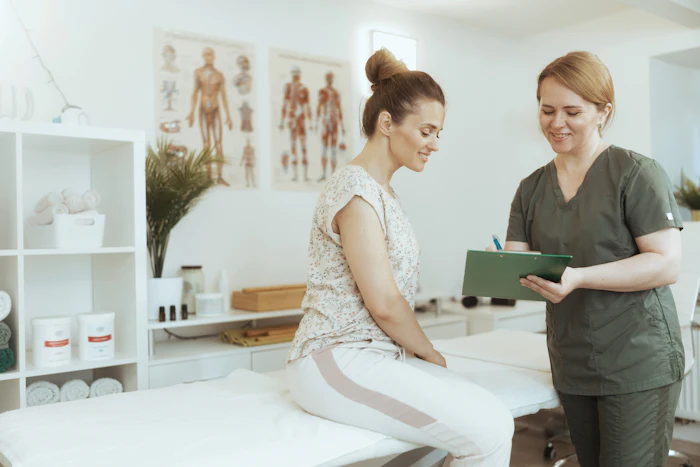
Through active listening, thoughtful consultations and personalized treatment planning, estheticians establish trust from the very first interaction. When clients feel heard and understood, they are more likely to commit to professional recommendations, follow treatment plans and maintain long-term consistency. Trust becomes the foundation for successful outcomes and client retention.
Creating a VIP or Luxury Client Experience
A VIP or luxury experience in esthetics is not defined solely by pricing, decor or exclusivity.
True luxury is rooted in personalization, consistency, and attention to detail.
Remembering client preferences, tracking progress, following up after treatments and adjusting care plans over time communicates a high level of professionalism and care.
Small but intentional actions, such as thorough consultations, clear education, treatment notes, personalized home care routines and post-treatment check-ins, create an elevated experience that clients value. When individuals feel prioritized and respected, they associate the practice with quality, trust and results. This perception encourages consistent rebooking, long-term loyalty and increased investment in both services and retail offerings.
Consistency, Follow-Up and Accountability
Strong client relationships are reinforced through consistency and follow-up. Scheduling check-ins after treatments, monitoring progress through notes or photos and revisiting goals over time demonstrates accountability and ongoing commitment to the client’s results.
This approach not only supports better treatment outcomes but also strengthens retention. Clients who feel guided and supported are more likely to remain engaged in their care plans and return regularly. Consistency builds reliability, which in turn builds trust, one of the most valuable assets in professional skin care.
Target Markets and Reduced Marketing Costs
Practices built on strong client relationships naturally attract aligned, targeted clientele. Satisfied clients refer friends, family members and colleagues who share similar values, expectations and budgets. These referrals often require little to no marketing investment and convert at significantly higher rates than paid advertising.
Word-of-mouth referrals remain one of the most powerful and cost-effective tools in the esthetics industry. Clients place greater trust in personal recommendations than in promotional messaging. A strong reputation rooted in relationships reduces marketing costs, fills appointment books and creates predictable revenue streams.
Increased Retail Sales Through Education and Trust
Retail success in esthetics is driven by trust and education rather than sales tactics. When clients understand the purpose behind a recommendation and trust the professional providing it, retail becomes a natural extension of care rather than an upsell.
Estheticians who focus on educating clients about ingredient function, skin needs, and long-term goals position products as solutions. Clients who see results from consistent treatment and home care are more likely to repurchase, adhere to routines and invest in advanced offerings. This relationship-based approach leads to higher retail conversion, stronger compliance and improved outcomes.
Full Schedules and High Rebooking Rates
Practices centered on relationship experience higher rebooking rates, fewer cancellations and fuller schedules. Clients who feel emotionally connected to their esthetician are less likely to seek alternative providers or delay appointments. Visits are viewed as an essential part of self-care and wellness rather than discretionary services.
This consistency supports predictable income, reduced scheduling gaps and long-term business stability. It also allows estheticians to focus on quality care rather than constant client acquisition.
The Emotional Impact of Skin Care
Skin care is never simply surface-level. For many clients, the condition of their skin is connected to self-image, confidence and emotional well-being. Concerns such as acne, aging, pigmentation or sensitivity can influence how individuals perceive themselves, how they engage socially and how comfortable they feel in their own skin. Client care often exists at the intersection of physical results and emotional support.
While clients may initially seek clearer skin or reduced signs of aging, they are often searching for reassurance, confidence and a sense of control over something deeply personal and vulnerable. When an esthetician approaches treatment with empathy, patience and understanding, the treatment room becomes a space of trust and safety. This environment allows clients to openly share concerns they may not feel comfortable expressing elsewhere.
Consistency in care, clear communication and realistic guidance help reduce anxiety and build confidence over time. When clients feel supported rather than judged, and educated rather than overwhelmed, they are more likely to remain committed to their treatment plans and trust the process. The emotional reassurance provided by a skilled esthetician often carries equal weight to the visible improvements achieved in the skin.
Clients consistently remember how they feel during their interactions. Feeling heard, respected and genuinely cared for becomes inseparable from the results delivered. This emotional experience strengthens loyalty and encourages long-term commitment to the business.
Relationships Are the Real Return on Investment
Strong client relationships represent the most valuable long-term asset a business can cultivate. While marketing efforts, promotions and digital visibility play a role in attracting new clients, none are as sustainable or impactful as trust built over time. Relationship-driven practices naturally experience consistent rebooking, increased retail compliance and organic referrals, all of which directly contribute to revenue growth and business stability.
Clients who trust their esthetician are less likely to price shop or seek alternative providers. They invest in treatment plans, return regularly and follow professional recommendations because they have confidence in the care being provided. This level of trust reduces the need for aggressive marketing, shortens sales conversations and increases overall lifetime client value.
Word-of-mouth referrals generated through strong relationships are often the highest quality leads. These clients arrive already aligned with the practice’s philosophy, pricing and expectations, and are more motivated to commit to ongoing care. This results in a more targeted client base, fuller schedules and a healthier, more predictable business model.
From a business perspective, relationship-focused practices experience greater resilience and consistency. From a professional standpoint, they offer deeper fulfillment and purpose. When clients return not only for results, but for experience and connection, the esthetician evolves from service provider to trusted partner in the client’s skin health journey.
Ultimately, relationships are the true return on investment. They drive retention, reputation and revenue while creating meaningful impact for both the client and the professional. In an industry rooted in care, connection is not an added value; it is the foundation of long-term success.
The Foundation of Long-Term Business Success
Client empathy, clear education and visible outcomes work together to determine whether a business grows or struggles. When estheticians take the time to listen, educate and guide clients through realistic expectations and consistent care, trust is established and results are amplified. Sustaining strong, long-term relationships through ongoing communication, follow-up and personalized care reinforces client confidence and loyalty over time.