Luxury in esthetics is no longer defined solely by an expensive treatment, elaborate facility, advanced equipment, or high-end product line. A true luxury experience is created through the way a client is cared for at every point of contact, beginning before the appointment and continuing after the treatment has ended. It is reflected in the greeting, the surroundings, the quality of the linens, the treatment table temperature, the music, the beverage offered upon arrival, and the attention given to personal preferences. More importantly, luxury is found in the professional’s ability to make the client feel comfortable, understood, remembered, and genuinely important.
A solo esthetician working from one room can create an equally elevated experience, often with greater opportunity for personalization because the professional develops a close understanding of each client’s preferences, lifestyle, skin goals, and expectations.
The Experience Begins Before the Appointment
The luxury experience begins long before the client enters the treatment room. Every interaction contributes to the client’s perception of professionalism and value. Booking should be simple, confirmations welcoming, and new clients should receive clear information about arrival, parking, preparation, policies, and what to expect.
Communication should feel human rather than automated and reinforce that a professional is preparing specifically for the visit. For established clients, the experience should become increasingly personal. If a client is preparing for a wedding, vacation, reunion, or family event, remembering that detail at the next visit communicates something important, the client feels like they were seen and heard.
Surrounding the Client With Intention
Intentional care is what transforms a routine appointment into a memorable luxury experience that builds loyalty, retention, and long-term revenue.
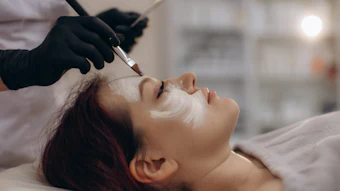
Professional hospitality is created through the understanding that every detail matters. From the way the treatment room is prepared to how a beverage is presented, how fresh the linens feel, how smoothly the client is guided from one part of the experience to the next, and how checkout is handled, each detail contributes to the overall perception of care. Luxury is rarely created by one grand gesture; it is built through consistent, thoughtful touches that make the client feel considered at every step. When every element of the visit feels intentional, the client experiences more than a treatment. They experience a level of hospitality that communicates professionalism, respect, and genuine attention to their comfort.
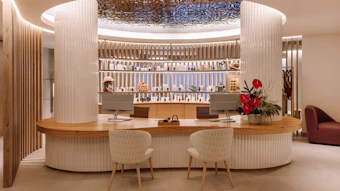
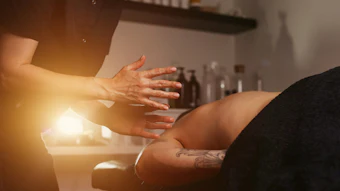
The space should feel organized, calm, clean, and intentional, whether it includes a full reception area or one treatment room. Clutter, exposed laundry, paperwork, tangled cords, and personal belongings can interrupt the feeling of escape. The client should be surrounded by an environment that allows them to mentally separate from everything happening outside the room. Lighting should feel comfortable, seating inviting, retail thoughtfully displayed, and the treatment bed exceptionally clean and comfortable.
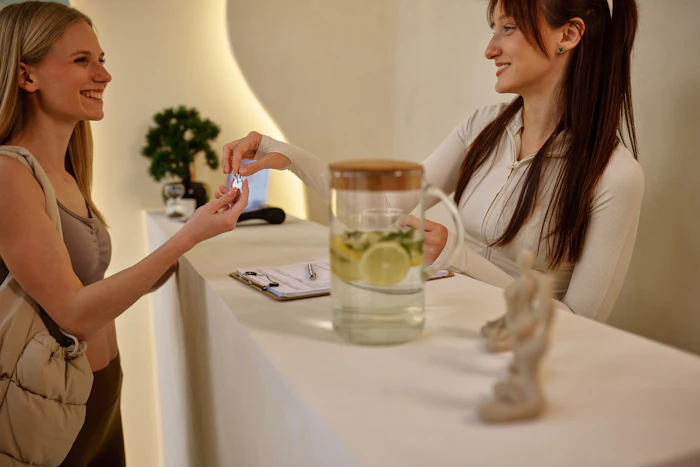
Comfort is not created by surroundings alone. Clients should not feel rushed through the doorway or hurried onto the table. A moment to arrive, a warm greeting, eye contact, use of the client’s name, and genuine conversation can immediately change the tone of the visit. The professional should also notice what the client communicates without words. Some arrive conversational; others need quiet, feel anxious about a new treatment, or feel self-conscious about their skin. Exceptional service requires recognizing and adapting to those differences.
Engaging All Five Senses
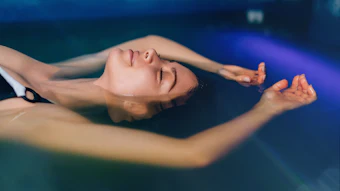
The five senses provide a valuable framework for evaluating the client’s experience because the treatment room is experienced as a whole. What clients see should communicate cleanliness, organization, professionalism, and calm through thoughtful lighting, fresh linens, uncluttered surfaces, and attractive displays. What they hear should support comfort, whether that means spa music, nature sounds, preferred music, or silence. What they smell should be considered individually; one client may enjoy eucalyptus or citrus while another may prefer no fragrance because of sensitivity or personal preference. What they touch and feel, including sheets, robes, blankets, pillows, towels, and the treatment table, should reinforce quality through softness, support, and appropriate temperature. Finally, taste can extend hospitality through specialized beverages or light refreshments. When all five senses are considered together, the room becomes more than a place where a service is performed. It becomes an environment intentionally designed around how the client feels.
Remembering the Person, Not Just the Skin
Client records should extend beyond contraindications, products, and treatment history to help the esthetician remember the person behind the appointment. If a client mentions a daughter’s wedding, visiting family, a major presentation, or an upcoming vacation, those details can be documented appropriately. Asking about the event at the next appointment, let clients know that the conversation mattered.
Preferences can also be documented. A client may prefer sparkling water, dislike lavender, request a lower table temperature, enjoy silence, need additional neck support, or prefer their knees elevated. The purpose is to avoid making the client repeatedly ask for the same accommodation. Luxury is often created when projecting and anticipating clients’ needs is taken care of before the client needs to request it.
Listening Is Part of the Service
One of the most overlooked components of luxury is undivided attention. A concern that feels routine to the professional may feel deeply personal to the client. Listening without interrupting, correcting, dismissing, or selling allows trust to develop. Questions should help the professional understand what the client hopes to change and why it matters. One client may want a more advanced treatment plan, while another may need a slower, more cautious approach. Treatment can only be truly customized after the professional understands the person receiving it.
The Final Minutes Matter
The experience should not lose momentum when treatment ends. Time management is the key to the luxury experience. The client should have time to dress, gather belongings, and return to the day without feeling rushed. A preferred beverage can be available afterward, and home-care recommendations should connect directly to the client’s goals.
Retail presentation should also remain elevated. Products should not simply be placed on the counter with an expectation of purchase. Recommendations should explain why the product is appropriate, how it should be used, and where it fits within the routine. Attractive bags, tissue paper, samples, or gift wrapping can make even a routine purchase feel considered.
Loyal clients can also receive preferred scheduling, early access to seasonal treatments, exclusive packages, birthday enhancements, private events, or first access to new services. These privileges do not always require discounts. Recognition, convenience, access, and personalization often communicate greater value than a reduced price.
The Experience Continues After Checkout
Exceptional customer service does not end when the client walks out the door. A personalized follow-up can be valuable after a first appointment, advanced treatment, new product introduction, or service performed before an important event. A brief message asking how the skin is responding communicates continued professional care. Following up about a wedding, vacation, interview, or celebration reinforces that the professional was listening because they cared, not simply because they were making conversation. These communications should remain genuine. The intention is connection, not automated marketing disguised as personal attention.
What Truly Makes a Professional Stand Out
There will always be another esthetician offering facials, carrying beautiful products, purchasing advanced equipment, or creating an attractive treatment room. Those things matter, but they can be duplicated. The way a professional cares for people is much harder to duplicate.
Clients remember the practitioner who listened when they were nervous, who never made them feel embarrassed about their skin, and who noticed they were cold before they asked for another blanket. They remember who asked about their family, their wedding, their new job, or their vacation. Most of all, they remember how they felt in that room.
Expertise earns trust. Results create value. Beautiful surroundings enhance the experience. Genuine care creates connection, and connection creates loyalty. When clients consistently feel comfortable, seen, heard, understood, and valued, that relationship can translate into stronger retention, increased treatment frequency, greater retail sales, and organic referrals.
Luxury is ultimately attention to detail. It is anticipating, remembering, listening, and noticing what others overlook. An esthetician does not need 20 treatment rooms, an elaborate reception desk, or a resort location to provide five-star service. A single treatment room can deliver an extraordinary experience when every detail is intentional, and every client is treated as though their appointment truly matters. Creating a consistent luxury experience strengthens long-term client retention and loyalty while increasing service revenue and supporting sustainable business growth.