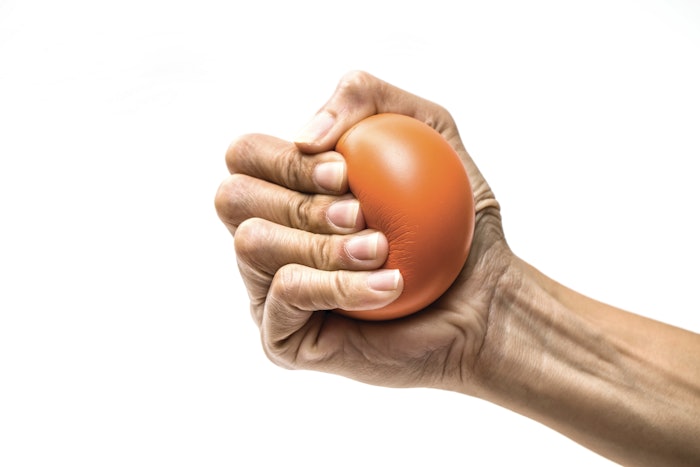
The world is not well.
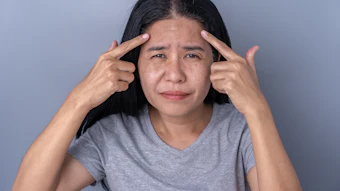
Spa professionals greet guests daily who carry stress, inflammation, fatigue or grief that often goes unmentioned on intake forms. Many of these guests have learned to live with a low hum of unwellness that doesn’t yet qualify as illness, but manifests in every part of their being: their skin, posture, breath and energy.
The language of beauty has evolved into the language of wellness, so the next evolution must address what lies beneath: a population living in a chronic state of dysregulation. As spa professionals, we're uniquely positioned to meet this moment.
The “Unwell” Majority
According to the American Psychological Association, nearly half of U.S. adults report frequent stress, while the National Institutes of Health notes that about one in four adults experience some form of mental illness each year. Chronic stress is no longer a passing condition; it is a societal norm. Research from the Mayo Clinic shows that long-term activation of the body’s stress response system contributes to inflammation, premature aging and immune suppression, affecting nearly every organ system.
In short, many of the clients walking into spas today aren't necessarily well yet they're seeking relief, restoration and reconnection. The question becomes: How do we safely, ethically and compassionately serve them?
Adding Compassion to Protocol
Noel Dutcher, Vice President of Operations for UMM Skincare, learned early in her career that wellness cannot be reduced to a checklist of contraindications. As the former manager of a national spa franchise, she witnessed guests who could easily be turned away for conditions that, while presenting valid concerns on paper, would leave them touch-deprived and emotionally unsupported.
Her solution was simple, but revolutionary: instead of instantly saying no, ask: "What can we do?”
She coached her team to adapt. Maybe a limited touch session, lighter pressure or altered products or body position was all that was needed. Sometimes, simply offering intentional touch without active treatment creates a profound impact. This compassionate flexibility transformed her business’ reputation, and it became known as a place where guests “felt truly cared for.”
Noel emphasizes that operational excellence and emotional intelligence must coexist. Paperwork protects the business; presence protects the person. A safe spa culture, she says, “starts when leaders remind their therapists that intuition and empathy are part of their professional toolkit.”
The More Conscious Spa Approach
Where Dutcher focuses on compassionate adaptation, Laura McCann, founder of Auratherapy, brings another dimension—energetic intelligence. Her journey began with personal unwellness rooted in stress and anxiety, which led her to explore the interplay between the body’s physical and energetic systems.
Through licensed aura and chakra mapping software coined as “aura readings” and a full assortment of chakra-aligned oil blends, her brand bridges data with consciousness, helping practitioners hold conversations about energy without crossing into medical territory. For McCann, this is not mysticism; it’s measurable. “Much of healing can be self-directed,” she explains. “But you must be shown how. Breath, thought and ritual become your first line of defense.”
She distinguishes between self-care and what she calls ‘adoration’: an intentional ritual of self-connection that clients can replicate at home. The spa practitioner’s role, she adds, is to serve as “a guide or sherpa” helping guests experience enough relief or insight to continue their journey independently.
Importantly, McCann and her team also teach that the caregiver must be cared for. Therapists should have tools to clear energy between sessions, such as their brand’s sprays, grounding rituals or breath resets to avoid energetic burnout. As she reminds, “You can’t help the unwell if you’re unwell yourself.”
Similarly, UMM Skincare has built its entire philosophy around this idea of restoration through intentional ritual. The brand’s neurosensory approach honors the skin as a sensory organ, a living interface between body, mind and spirit. Rooted in Ayurvedic wisdom and modern formulation science, UMM’s products invite both practitioners and clients to slow down, breathe deeply and connect through texture, scent and mindful application. This commitment to ritual-based care reinforces the belief that wellness is not achieved in isolation, but through repeated acts of presence, touch and sensory awareness.
Together, these insights from Dutcher and McCann illuminate what “the unwell client” truly represents. They are not a niche demographic, but a reflection of the collective state we live in as a population chronically over-stimulated yet under-nourished on a sensory and emotional level. Many are unknowingly dysregulated, their nervous systems oscillating between fatigue and overdrive. They crave grounding, gentleness and presence more than perfection. For spa professionals, recognizing this pattern shifts our role from service provider to facilitator of restoration. We become witnesses and guides for clients to learn to feel safe in their own skin and fully embodied again.
The Next Frontier: Touchless and Technological
The evolution of wellness is no longer limited to hands-on therapy. A new wave of innovation is transforming how spas and wellness centers help clients achieve balance, regulation and restoration, particularly those who may not be ready or able to receive traditional touch treatments.
From energy diagnostics and sound therapy to light, breath and neurofeedback modalities, these emerging technologies are expanding the definition of “healing touch.” Devices that measure subtle energetic activity, track heart rate variability or deliver vibration, frequency and chromatic light therapy are giving practitioners new ways to connect with clients on both an energetic and physiological level.
BioWell technology, for example, uses gas-discharge visualization (GDV) to capture the body’s energy field or “biofield”, offering a noninvasive look at vitality, stress and balance. While it is not diagnostic, it provides a data-informed way to begin conversations about energy regulation and nervous-system coherence.
InHarmony vibroacoustic therapy takes a different approach by using low-frequency sound waves through specialized loungers or pads to calm the nervous system and promote deep parasympathetic rest. These sessions can be especially helpful for guests experiencing inflammation, trauma or sensory sensitivity who may not yet tolerate direct touch.
Other innovations, such as infrared and PEMF (pulsed electromagnetic field) therapy, red light and chromotherapy, guided breathwork pods and AI-assisted biofeedback devices, are also transforming the spa landscape. Each of these modalities offers a touchless yet deeply sensory experience that can complement, or even precede, traditional spa treatments.
These technologies and tools point toward a future where spas blend ancient wisdom with modern instrumentation. The result is an environment where energy meets evidence and where measurable outcomes exist alongside mindfulness, ritual and compassionate human care.
Redefining Best Practices for a Dysregulated World
To truly support the unwell client, spa leaders must move beyond the binary of “safe or unsafe” toward a spectrum of adaptable care. Some actionable steps include:
- Evolve consultations: Ask questions about emotional regulation, sleep and touch deprivation, not just medications or allergies.
- Empower therapists: Train them to modify treatments safely and trust their intuition within scope.
- Create a compassionate policy culture: Encourage teams to see contraindications as opportunities for innovation, not rejection.
- Support the supporter: Build energy hygiene rituals and debrief spaces for staff well-being.
- Explore allied technologies: Pilot one energy assessment or vibroacoustic option to complement traditional services.
- Keep clear boundaries: Document every adaptation, communicate transparently and maintain medical partnerships when needed.
True wellness doesn’t exclude those who are unwell. Instead, it embraces them. The spa of the future will not only pamper the healthy but also provide a bridge for those navigating the in-between spaces: the stressed, the recovering, the energetically misaligned.
By marrying clinical prudence with compassionate presence, and blending sensory care with energetic and technological intelligence, spa professionals can facilitate the body’s natural balance and harmony and redefine what it means to be well. At the end of the day, wellness isn’t a finite destination. It’s the moment we choose to meet another human being exactly where they are on their journey back to their best self.