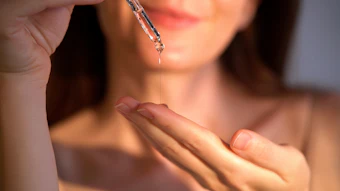
Every morning, millions turn to their skin care routines, not just out of vanity but for wellness. The desire to maintain healthy, radiant skin is a universal one, being a dynamic blend of science, personal care and self-expression. However, what if your skin care products and regimen were tailored to your unique biology? What if your morning routine was backed by cutting-edge technology that analyzed your skin in real time? This isn't a distant futuristic vision; it’s becoming reality in 2025.
The skin care industry is undergoing a profound transformation, driven by breakthroughs in artificial intelligence, nanotechnology and regenerative medicine, reshaping the beauty landscape and opening new horizons for health and well-being.
The Shift to Personalized Skin Care: AI, Genetics and Data-Driven Beauty
Personalization is the heartbeat of modern skin care innovation. Humans are inherently unique, with skin that varies by genetics, environment, lifestyle and age. Recognizing this complexity, pioneers are harnessing artificial intelligence and genetic insights to customize skin care solutions at an unprecedented scale.
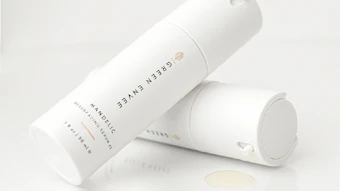
Emerging AI-powered skin analysis tools can now scan skin attributes including hydration levels, pigmentation severity and inflammation, delivering tailored product recommendations within minutes. L’Oréal, a trailblazer in the space, launched an AI-driven device that integrates facial scanning and real-time diagnostics to formulate personalized serums. This shift signals a move away from one-size-fits-all products to bespoke regimens crafted from data.
Beyond external analysis, genetic profiles are becoming pivotal. Some companies now incorporate DNA testing to predict skin sensitivity, collagen breakdown tendencies and aging processes, enabling formulations that anticipate future needs, not just current conditions. In simple terms, skin care is evolving from reactive care to predictive, scientifically driven precision medicine for the skin.
Nanotechnology and Advanced Delivery Systems in Skin Care
Another silent revolution powering skin care is nanotechnology. By breaking down active ingredients into nanoparticles, products achieve deeper skin penetration, enhancing efficacy while minimizing irritation. This advancement touches everything from anti-aging creams to sunscreens.
For example, nanoparticle-based sunscreens available in 2025 offer broad-spectrum UV protection with a feather-light feel, no longer leaving the white cast typical of traditional formulations. This development increases consumer comfort and compliance, crucial for effective sun protection and skin cancer prevention.
Business-wise, nanotech gives brands a powerful differentiator. It signals science-backed superiority and opens doors for premium pricing, reflecting growing consumer sophistication and demand for efficacy.
Emerging Beauty Tech: Devices and Data in Home Skin Care
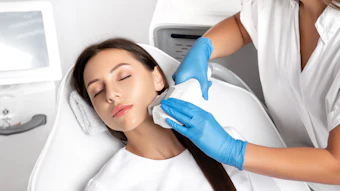
The intersection of skin care and technology extends beyond topical products. A surge in intelligent, connected beauty devices is revolutionizing how consumers care for their skin at home. These gadgets, embedded with sensors and AI, deliver treatments traditionally reserved for dermatologists.
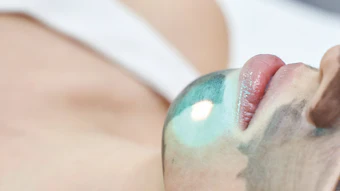
Smart LED therapy devices, for instance, emit specific wavelengths to reduce inflammation, stimulate collagen or combat acne. Micro-needling tools equipped with feedback systems optimize needle depth for safety and effectiveness. Paired with companion apps, these devices personalize treatment plans, track progress and adapt recommendations.
This convergence blurs boundaries between healthcare and cosmetic technology, empowering consumers to take clinical-grade care into their own hands, with convenience and confidence.
Regenerative and Preventive Skin Care: From Stem Cells to Collagen Banking
Regeneration and prevention are becoming foundational to skin care’s future. Medical advances now allow the use of platelet-rich plasma (PRP) and stem cell-derived ingredients to stimulate skin repair and renewal at a cellular level.
Additionally, an emerging concept gaining traction is collagen banking, the process of preserving one’s collagen or biomaterials early in life for use in rejuvenation therapies decades later. This innovation reflects a shift in mindset from treating damage after it appears to proactively preparing for long-term skin health.
The implication: skin care is aligning more closely with longevity science and personalized medicine, promising transformative impacts on aging and chronic skin conditions.
Sustainability and Clean Beauty: Meeting New Consumer Expectations
Meanwhile, consumers' rising environmental consciousness is reshaping skin care development. Demand for clean, sustainable and cruelty-free ingredients challenges brands to innovate responsibly.
Biotechnology enables the creation of plant-based actives and fermentation-derived molecules that reduce reliance on petrochemicals or endangered resources. Packaging innovations focus on recyclability and minimal waste, responding to sustainability goals embedded in ESG frameworks.
This alignment of skin care with broader societal values makes sustainability both an ethical imperative and a business advantage, reflecting evolving consumer priorities globally.
Real-World Case Studies Highlighting Skin Care Innovation
Several brands and technologies bring these trends to life:
- L’Oréal’s AI diagnostics and personalized serums demonstrate how big beauty players leverage technology for individualized care.
- Nanoparticle sunscreens from leading manufacturers showcase how science enhances core product effectiveness without compromising user experience.
- Smart LED therapy devices like Trufacial empower consumers with medical-grade skin care at home, blending convenience with clinical science.
- Regenerative therapies using PRP and stem cell bioactives reveal promising new frontiers in anti-aging and skin restoration.
These examples highlight the convergence of innovation, consumer needs and business strategy driving skin care forward.
What Professionals and Consumers Should Watch Next
Looking ahead, several exciting developments deserve attention:
- AI-driven continuous skin diagnostics integrated with wearable sensors promise dynamic, real-time skin care adaptation.
- The integration of neuro-beauty products targeting sensory and emotional wellbeing alongside physical skin health reflects an evolving holistic approach.
- Larger-scale clinical adoption of regenerative skin care methods may redefine dermatology standards and patient outcomes.
- Regulatory frameworks balancing innovation with safety will influence the pace and adoption of novel skin care technologies globally.
For professionals and consumers alike, these trends offer a glimpse into an increasingly personalized, integrated and health-oriented skin care future.
Conclusion: The Convergence of Technology, Science and Beauty
The skin care industry in 2025 stands at the crossroads of biology, technology and sustainability, crafting a new narrative beyond traditional beauty. This convergence not only redefines how we care for our skin but also embeds deeper values of health, individuality and environmental stewardship. As innovation accelerates, the question isn’t just what skin care products will look like tomorrow, but how these advances will reshape our relationship with self-care and wellbeing in the years ahead.