Let’s get one thing straight: your skin is not just a pretty wrapper; it’s a full-on metabolic organ. What you eat either fuels its glow or feeds its breakdown, and in today’s world of fast fixes, sugar bombs and TikTok weight loss trends (looking at you, GLP-1s), women’s skin is taking hits from all directions. So, let’s talk real: food is skin care. Full stop.
Skin: Your Nutritional Mirror
Your face doesn’t lie. It reflects your gut, your hormones, your hydration, your glucose swings. When clients walk into my medspa, called Shot Bar, located in the heart of Chicago, with dull, dry, inflamed or prematurely sagging skin, I don’t just grab a laser; I ask what’s on their plate. If your diet is dehydrated, your skin will be too. If you’re inflamed from ultra-processed junk, your skin is likely showing it through redness, acne or sensitivity. Skin health is an inside job.
Collagen is a Protein, Not a Vibe
Here’s what most people forget: collagen is made from amino acids, and guess where those come from? Your diet. If you're skimping on protein, overdoing sugar and under-consuming micronutrients like vitamin C, zinc and copper, you’re literally starving your collagen production. That saggy skin you’re blaming on age? It could be malnutrition, even if wearing a cute outfit.
Collagen production also takes a dive during chronic stress (hello, cortisol), crash diets and yes, prolonged use of GLP-1 medications without proper nutritional support.
GLP-1s and the Skin-Laxity Slap
Let’s talk about the elephant in the exam room: GLP-1 medications like semaglutide and tirzepatide are powerful tools for weight loss, but they come with aesthetic consequences no one warned you about. Rapid weight loss without strategic nutrition and skin support often leads to gaunt faces, volume loss and laxity that make you look older, not better.
At Shot Bar, we’re not anti-GLP-1. We’re anti-losing-your-face-in-the-process. That's why we pair every weight loss journey with personal coaching from me, regardless of whether I prescribe medication for you or not, that supports muscle retention, collagen stimulation and aesthetic maintenance.
Enter: The Skin-Saving Tech and Topicals
To fight skin laxity from the outside in, I’m obsessed with Sofwave and Sofwave Plus Pure Impact. Think of it as a collagen wake-up call. Sofwave uses Synchronous Ultrasound Parallel Beam Technology (yep, science) to stimulate neo-collagenesis deep in the dermis, no downtime, just lifted, snatched skin. The new Pure Impact muscle stimulation modality takes it further by targeting deeper layers and larger surface areas. It’s my go-to for post-GLP-1 patients dealing with laxity in their body or experiencing muscle wasting from these medications, malnutrition and a complete lack of proper protein.
For topical rejuvenation, DefenAge is clinical skin care’s quiet assassin. Backed by peer-reviewed research, its defensin molecule tech reprograms dormant skin cells to behave like youthful, active ones, think fewer lines, tighter pores and actual regeneration, not just fluff. Pair it with in-office collagen biostimulators like Radiesse (my favorite over Sculptra, because it offers instant lift and stimulation), and now you’ve got a protocol that works both ways: inside and out.
You Are What You Absorb
Let’s not forget: malnutrition doesn’t always mean starvation; it can mean poor absorption. Gut health matters. If you’ve got leaky gut, low stomach acid or microbiome imbalances, even a perfect diet won’t nourish your skin properly. I often see clients with hormonal acne, premature aging or chronic skin inflammation, and the root cause is their gut.
Nutrients like omega-3s, polyphenols and antioxidants don’t just help skin; they’re the frontline defense. They calm inflammation, stabilize cell membranes and prevent glycation (a fancy word for sugar damaging your collagen). This is why I coach women not just on what to eat, but on how to absorb it. Probiotics, digestive enzymes and healing the gut lining can be just as important as your skin care routine.
Skin-Starving Habits to Break ASAP
Let’s call out some culprits:
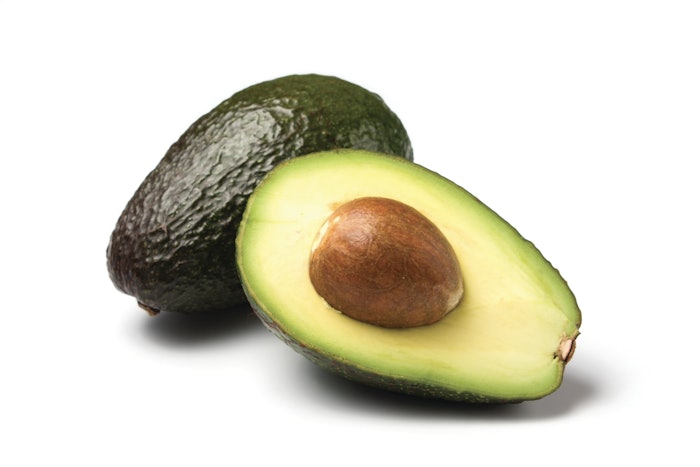
- Low-fat diets: Your skin needs fat to maintain its moisture barrier. Stop fearing avocado.
- High-sugar everything: Glycation ages your skin faster than the sun.
- Yo-yo dieting: Repeated weight gain/loss disrupts collagen integrity and elasticity.
- Skipping protein: Collagen won’t build itself from vibes and oat milk.
Feed Your Face: What to Eat for Lit-from-Within Skin
- Protein: Aim for at least 90–120g/day, especially during weight loss or perimenopause.
- Healthy fats: Omega-3s (salmon, walnuts) and monounsaturated fats (olive oil, avocado)
- Antioxidants: Berries, dark chocolate, green tea and glutathione injections, protect your skin cells from oxidative stress.
- Hydration: Water, electrolytes (I swear by Redmond) and herbal teas
- Collagen peptides: I personally use Vital Proteins or Thorne Collagen Plus for their bioavailability and add cofactors like vitamin C and hyaluronic acid.
Not all collagen peptides are created equal, and "non-toxic" in this context means:
- Free from heavy metals (some cheap collagens have trace amounts of lead, mercury and arsenic)
- Sourced from clean, pasture-raised or wild-caught animals (not factory-farmed)
- Free of artificial sweeteners, fillers or chemical preservatives
- Third-party tested for purity (many companies don't test for contaminants.)
What I actually use and approve of:
- Thorne Collagen Plus – Clinically formulated, zero fillers, third-party tested and includes cofactors like nicotinamide riboside and hyaluronic acid. Gold standard.
- Vital Proteins Unflavored Collagen Peptides (Pasture-Raised, Grass-Fed) – Trusted brand and NSF Certified for Sport, but avoid the flavored ones with stevia or “natural flavors.”
- Primal Kitchen Collagen Fuel (Unsweetened Vanilla or Chocolate) – Clean ingredients, monk fruit sweetened and no dairy, soy or artificial additives
Red Flags in “Toxic” Collagen:
- “Collagen” powders from bargain brands or bulk tubs with:
- Artificial sweeteners (sucralose, acesulfame potassium)
- Natural flavors (which often hide endocrine-disrupting chemicals)
- Carrageenan (linked to gut irritation)
- Collagen from unknown or low-quality sources (e.g., pork from non-organic farms in China)
If you're drinking collagen to heal your skin, gut and joints, it shouldn’t come laced with the same crap that causes inflammation. Ingredients matter.
My Personal Protocol
I don’t just preach it, I live it. As someone who lost over 140 pounds back in 2018 and lived through the side effects of weight loss myself, I pair clinical aesthetic treatments with nutrition counseling rooted in functional medicine. My daily stack includes glutathione, magnesium glycinate, a high-quality probiotic and collagen peptides. I track macros, manage stress and prioritize sleep because your skin doesn’t heal when you’re living off cortisol and caffeine.
I also use Sofwave regularly and layer it with Defenage, peptides and medical-grade skin care to maintain firmness and bounce.
And yes, I teach my clients how to glow from the inside out with food, lifestyle, and strategy that makes sense for their real lives.
Conclusion: Skin is the Symptom. Nutrition is the Medicine.
If you want tighter skin, fewer lines and that confident, hydrated glow, we need to stop treating skin like a surface-level problem. The magic is in the metabolism, the collagen remodeling, the hormone balance and the meals you’re making (or skipping).
So next time your client asks for a facial to fix their dull skin, start with this question: what did you eat today?