For today’s skin care professionals, standing out is no small feat. Between AI-perfect visuals, influencer overload and nonstop ads, grabbing a client’s attention—and keeping it—takes more creativity than ever.
With the skin care industry expected to surge to a whopping $222 billion by 2030, competition for visibility and client loyalty is fierce. To stay ahead, spa professionals must combine authentic storytelling with savvy tech use, partnerships and strategic investments.
Below, experts share a forward-looking perspective on how spa owners can position themselves for success in 2026 and beyond with tried-and-true marketing techniques.
Tracking the Trends
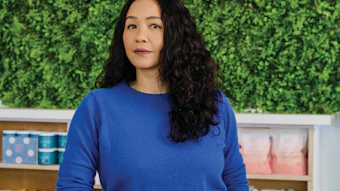
Today’s clients aren’t just booking facials—they’re seeking experiences. Sarah Hicken, head of education at VOESH, says 2026 will bring an even stronger focus on results-driven treatments that also nurture mindfulness, self-care and balance.
“Clients want to be taken on a journey,” she explains. “Think memberships, subscription-style packages or bundles that keep clients coming back year-round.”
Hicken urges spa professionals to market services as lifestyle rituals, not luxury splurges, and to spotlight transformation rather than treatment names.
“The marketing should not only highlight the treatment, but also the transformation and benefits,” she says. “Bring the client behind-the-scenes, share product and treatment education and provide client testimonials.”
That advice reflects a larger shift: today’s spa clients are more ingredient-savvy, sustainability-minded and value transparency. “Clients also expect transparency—think ingredient list to treatment benefits. This means that the messaging should educate and inspire while making the treatment or product stand out,” Hicken adds.
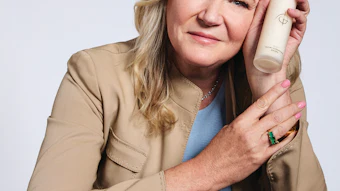
Messaging plays a powerful strategic role, agrees Tracey Stapleton, managing director of The Spa PR Company in the UK.
“Look ahead to key global events you can align your spa with,” she advises. “For example, the 2026 FIFA World Cup will dominate conversation, so why not make your spa a football-free zone, a peaceful retreat for those looking to escape the frenzy?”
Tapping into cultural moments helps spas stay relevant and visible without feeling gimmicky. It’s a reminder that great marketing is as much about timing and storytelling as it is about beauty.
The Marketing Mix
So, where’s the best place to start with marketing?
Ultimately, going where clients are hanging out is the ideal starting point. For some, that may include trying a new marketing technique.
Stapleton notes some of the most effective campaigns aren’t the ones with the largest budgets, but those that connect emotionally and locally.
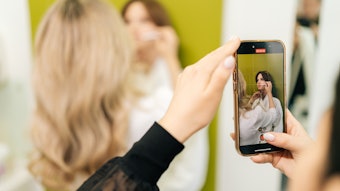
“We’re seeing great results from in-person influencer events,” she says. By immersing influencers in a spa marketing plan, owners may find that influencers can help foster loyalty while also generating a large volume of social media content at once.
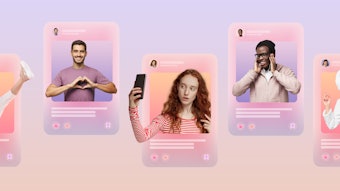
Partnering with local influencers—particularly area-specific lifestyle ones— can be especially powerful for spas. Those influencers already have trust within the community, and a single authentic endorsement from someone ideal clients follow can outperform an expensive ad campaign.
Meanwhile, personalization remains non-negotiable. Both Stapleton and Hicken urge spa owners to invest time and creativity into building and maintaining their own email lists. If a social media platform were to disappear tomorrow, so would all those customer leads. That’s not the case with an email list a spa owner controls—one that can be segmented, customized and nurtured over time to strengthen loyalty.
“Spas that segment their audience and tailor messages—whether through email, SMS or social media—tend to see higher engagement,” says Stapleton. “A targeted offer based on a client’s past purchases creates a sense of relevance and connection.”
Hicken agrees, adding that many spa owners overlook one of their most powerful marketing tools.
“A well-put-together email strategy can nurture relationships, increase rebooking and drive sales,” she says. “SMS/text marketing is another great marketing channel that spas often underutilize, but it is great for quick reminders and promos delivered straight to their fingertips.”
Connecting Through Storytelling
Personalization alone isn’t enough without a story that resonates. When marketing, keep in mind how the most memorable brands in the world—think Apple, Nike, Coca-Cola—have powerful storytelling methods that are timeless.
Too many spa owners simply market services, not experiences, says Hicken.
“Your clients need to see stories, before and after transformations, results and hear about the benefits of the services or products,” she says. “Only posting or advertising 'manicures or facials available' won’t engage the client and make them connect.”
Clients also want to see the human side of a business, too, which lends itself naturally to storytelling marketing opportunities. For spa owners, this might mean highlighting the expertise of their practitioners, the origin of ingredients or the wellness philosophy that drives the business. Spas have an advantage many brands don’t: their people.
Profile your experts by showcasing your therapists and their specialties builds familiarity and trust, Stapleton says.
Showing off new spa features or products is another opportunity to sell to prospective clients softly. Stapleton says one current client recently added a relaxation lounge that includes a virtual reality headset for clients to experience 12 different destinations with a guided meditation.
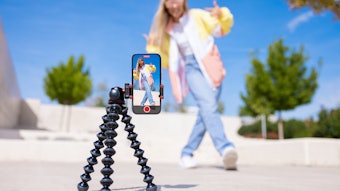
By integrating storytelling across channels—blogs, newsletters and short-form videos—spas can cultivate brand loyalty and organic referrals, even during slower seasons.
Reenergizing Slow Seasons with Creativity and Connection
Every spa experiences ebbs and flows, but the quieter months can be an ideal time to innovate.
Bring your teams together to brainstorm, Stapleton recommends. “Not only does this reenergize client interest, but it also energizes your team to want to achieve more,” she says.
She suggests limited-edition offers, educational workshops or themed social campaigns to market to clients for future bookings. Strategic collaborations with complementary brands—like wellness teas, skin care lines or local fitness studios—can further expand reach and attract new clients.
Workshops, in particular, can serve double-duty as both marketing and community-building. Hosting small-group sessions on skin care routines, mindfulness or seasonal self-care provides value while reinforcing your spa as a trusted wellness authority.
Hicken recommends thinking ahead to maintain post-holiday momentum: “During the holiday rush, promote gift cards, memberships and pre-booking specials that extend into those slower months.”
Then she advises shifting messaging from festive to renewal-focused—think ‘New Year, New You,’ detox treatments or post-holiday skin recovery.
“This will ensure your clients see your salon/spa as part of their reset, not just their holiday splurge,” she says.
Authenticity: The Ultimate Marketing Strategy
At its core, every effective marketing strategy comes back to one thing: authenticity. Whether it’s showcasing your team’s expertise, sharing educational content or telling your spa’s story, clients want to feel informed and inspired—not sold to.
In 2026 and beyond, successful spas will blend innovation with authenticity. They’ll budget strategically, market meaningfully and connect emotionally.
Continue to be smart with marketing, build the connection with your clients and stay consistent,” says Hicken. “The businesses that will succeed will be the ones that create their community, highlight the salons or spas' authenticity and consistently show up to keep clients engaged year-round.”
As the industry evolves, spa professionals who stay true to their mission while embracing new tools and technologies will stand out not just as service providers, but as trusted guides on their clients’ wellness journeys.
Quick Wins for Slow Seasons
Even during slow seasons, there are creative ways to keep business flowing. From community collaborations to storytelling-driven campaigns, here’s how to market smarter—not harder—in 2026.
1. Pre-Book with Purpose
Keep your calendar full by promoting “book ahead and save” incentives before major holidays or seasonal transitions. Offer exclusive perks—like a free add-on or loyalty points—for those who pre-book future services.
2. Turn Gift Cards into Gold
Gift cards aren’t just for December. Pair them with year-round experiences—Mother’s Day rituals, back-to-school resets or self-care subscriptions. Encourage clients to gift experiences, not just treatments.
3. Leverage Local Influencers
Invite local lifestyle creators for a spa day. Let them share genuine stories and visuals of your treatments. A few authentic posts can outperform expensive ads.
4. Align with Cultural Moments
Capitalize on big media moments or current events. Create themed promotions or peaceful escapes—think “World Cup Wellness Retreats” or “Election Detox Days.”
5. Storytell, Don’t Sell
Share transformation stories, client testimonials and behind-the-scenes moments that show your brand’s personality and purpose.
6. Create Limited-Time Rituals
Design seasonal bundles or short-run offerings—like “Winter Glow Facials” or “Spring Detox Rituals.” Use scarcity and timing to drive urgency while keeping content fresh and relevant.
7. Build Community Through Education
Host mini workshops or live demos on skin care routines, mindfulness or ingredient trends. These events position your spa as a trusted wellness authority while sparking client loyalty.
8. Keep Messaging Consistent
Authenticity is your superpower. Show up regularly online and in-person to reinforce your values and stay top of mind—even when bookings slow.
Small shifts can make big waves. With a mix of creativity, timing and genuine connection, your spa can keep the momentum strong—even in the quieter months.