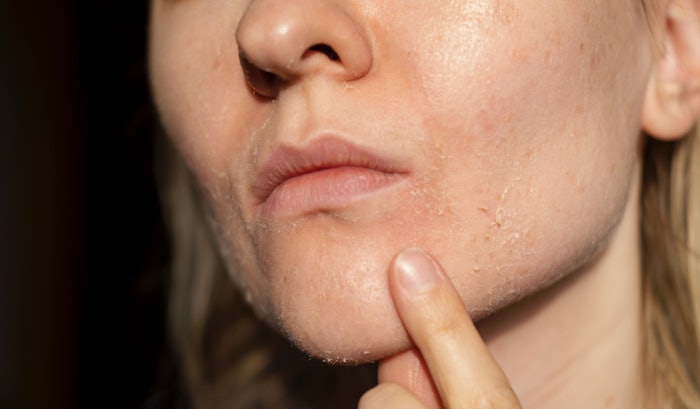
For years, the aesthetic industry has been fueled by the “after” photo. Who doesn’t appreciate the glowing skin, the perfectly contoured jawline and the flawless symmetry—usually captured under a flattering ring light with a filter about as subtle as any Real Housewives reunion. Well, in 2026, it seems the tide is turning. Consumers are suffering from filter fatigue, hyper-aware of AI-enhanced imagery and increasingly skeptical of perfection.
To win the modern client, beauty experts must lean into a counterintuitive strategy: Radical transparency. By showing the “messy middle” of a treatment journey, you aren't just selling a procedure; you're building a foundation of trust that a filtered photo simply cannot buy.
The Psychology of the Messy Middle
Modern marketing is no longer about the destination; it’s about the roadmap. When you show only the final, healed result, you leave a gap of fear in the client’s mind. They wonder: Will I look crazy for a week? Will my husband know? Does it actually hurt?
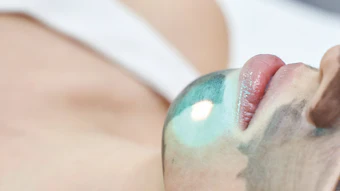
By documenting the messy middle—the peeling skin of a TCA cycle or the initial bruising of a dermal filler—you demystify the medical reality of aesthetics. This transparency serves two psychological purposes:
- Anxiety reduction: It prepares the client for the reality of downtime, reducing post-procedure buyer’s remorse and frantic phone calls to your front desk.
- Professional authority: It reinforces that you are a skin care expert, not just a beauty salon. Showing the clinical reality of a healing response positions you as a safe, expert hand.
Content Strategy: The “Recovery Diary”
The most effective marketing asset in 2026 isn't a high-budget commercial; it’s a raw, 7-day recovery diary. Instead of polished influencers, consider partnering with real clients willing to film their journey in their own bathrooms under honest lighting.
A successful transparency campaign should include:
- The “Immediate Post”: Raw footage of the client leaving the chair, including any redness or localized swelling
- The Day 3 Update: The peak of the “uglies,” where the treatment is doing its hardest work
- The “No-Makeup” Policy: A commitment that your “after” photos are taken with zero foundation and the exact same lighting as the “before” photos
The Power of the “Anti-Sell”
Part of radical transparency is knowing when to say no. Marketing your spa as a place that prioritizes facial harmony over profit is the ultimate trust-builder. Share stories (with permission) or scenarios where you advised a client against a treatment they didn't need.
When you market your “anti-sell” philosophy, you tell the world that you value the client’s long-term health more than a quick transaction. In a crowded market, this integrity is your most significant competitive advantage.
Summary
In an era dominated by AI and digital manipulation, authenticity is the new luxury. By pulling back the curtain on the healing process and committing to unfiltered results, you create a “loyalty dividend.” Clients who feel they were given the truth from the first consultation don't just return—they become fierce brand ambassadors who defend your expertise in the community.
Louis “The Laser Guy’s” Three Additional Tips for Radical Transparency:
- Optimize for natural language searches: With the rise of AI search engines like Perplexity and voice search (Siri/Alexa), people are asking full questions. Instead of just targeting “Botox Dallas,” create blog content that answers: “Will I look frozen if I get Botox for the first time?” or “How to hide swelling after a chemical peel.”
- Create a “third space” event series: Combat digital isolation by hosting small, in-person skin-related seminars. Invite 10-15 people for an evening of education (not a sales pitch) about the science of aging. Position your spa as a community hub for wellness rather than just a place for appointments.
- Conduct hyper-personalized video follow-ups: Ditch the automated “thank you” emails. Instead, film a quick 15-second personalized video message (using platforms like Bonjoro or VideoAsk) the day after a treatment to check in on the client. This high-touch, human element is impossible for large corporate chains to replicate at scale.