Most of us can feel when stress is taking a toll on our bodies, but lately, more conversations are emerging around how it shows up on our faces. It wasn’t until recently that I stopped thinking that everything relates to menopause, and I learned the term “cortisol face”.
Believe it or not, it’s not a medical diagnosis, but a useful way to describe the visible signs of prolonged stress and elevated cortisol levels, such as:
- Puffiness or swelling around the eyes and face
- Breakouts or dull, tired-looking skin
- Jaw tension or tightened facial muscles
- Increased fine lines from chronic micro-expressions
Dark circles and inflammation
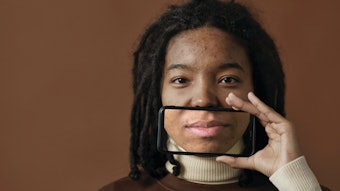
 Cortisol face, before (left) and after (right) an appointment.Image courtesy of Angel Flener.

Why does this matter?
Our faces often reveal what our schedules, habits and internal systems are trying to tell us. In a culture that celebrates busyness, these physical signs can be a wake-up call to slow down, recalibrate and prioritize recovery.
Cortisol face isn’t about vanity, it’s about well-being.
It’s a reminder that our nervous system has limits, and our leadership, creativity and resilience all depend on how well we manage them.
Here are a few small habits that make a real difference:
- 5-minute breathing resets during the workday
- Protecting your sleep like a key meeting
- Hydration + mineral balance
- Daily movement, even in small doses
- Clearer boundaries around digital overload
If you’ve noticed changes in your own face during high-stress periods, you’re not alone. The good news? These patterns are reversible when we give our bodies room to recover.
Stress leaves its mark, but so does rest.