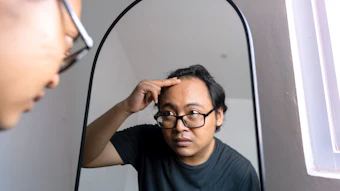
There is a moment many clients do not expect during rapid weight loss. The number on the scale is moving. Clothing fits differently. Then they look at their abdomen, arms, thighs, or knees and realize their skin is trying to catch up with a body that changed faster than the tissue was prepared for.
That is where estheticians can do meaningful work.
This is not a medical treatment, a weight loss treatment, or a detox treatment. The Skin Rebound is a supportive body protocol designed for clients experiencing dryness, texture changes, visible laxity, and loss of skin resilience during or after rapid weight loss including clients using GLP-1 medications. The goal is straightforward: improve how the skin feels, support the barrier, encourage a smoother surface, and help the client feel more at home in a body that is changing quickly.
What Rapid Weight Loss Does to the Skin
Skin is adaptable, but it is not magic. When weight loss happens gradually, the dermis has time to reorganize. When it happens fast, the tissue does not always follow. The result shows up on the abdomen, upper arms, inner thighs, breasts, and knees first. Common client presentations include:
• Skin laxity and loss of bounce
• Increased dryness and visible fine wrinkling on the body
• Rough or uneven texture from slowed desquamation
• Barrier sensitivity from depleted lipids
There is also a less-discussed variable for clients using GLP medications specifically: intestinal integrity. GLP-2 activity (present in dual-agonist therapies like tirzepatide) affect nutrient absorption. Clients may be taking in less of the fat-soluble vitamins and essential fatty acids their skin depends on regardless of how carefully they are eating. Their skin is running with a smaller supply kit than you might assume.
These changes are not failures. They are normal tissue responses to a major body shift. And they are exactly the kind of skin concerns a licensed esthetician is positioned to address.
Scope Notes • Estheticians should document medications during intake but should not advise on dosing, side effects, or medical management. Refer clients to their prescribing provider for medication questions, nutrition concerns, dizziness, or unexplained symptoms. • Massage movements in this protocol are product application movements. If your state license does not authorize massage, keep all contact within application technique. If body treatments are not explicitly excluded by your state rules, they are generally considered within esthetics scope but know your state's language and proceed accordingly. |
Who This Treatment Is For
The ideal client has intact skin and is looking for improved softness, hydration, texture, comfort, and a temporarily firmer-looking finish. This treatment works well for clients who have lost weight through nutrition changes, bariatric surgery, medical weight management, or GLP-1 medication use.
Be honest with them up front: topical body care supports the skin. It does not reverse structural laxity from significant tissue loss. Clients who understand the distinction tend to be far more satisfied with results and far more likely to book a series.
Contraindications and Cautions
Do not perform this treatment on clients with active skin infection, open lesions, sunburn, active dermatitis, unexplained rash, unhealed surgical sites, bruising of unknown origin, or areas with impaired sensation.
Use caution with clients reporting uncontrolled diabetes, peripheral neuropathy, blood pressure instability, frequent dizziness, nausea, recent bariatric surgery, active cancer treatment, pregnancy, or any condition affecting heat tolerance or skin healing. When in doubt, get medical clearance.
For dry brushing specifically: skip it over fragile skin, inflamed skin, eczema, psoriasis plaques, raised or painful varicose veins, open scratches, irritated follicles, and any area the client reports as uncomfortable. This step should feel like a wake-up call for the skin not a punishment.
For aromatherapy: avoid strong fragrance, sensitizing essential oils, and direct essential oil application to the skin unless properly diluted in a professional product. For clients with asthma, migraine history, fragrance sensitivity, pregnancy, nausea, or known allergies, omit aromatherapy or use only unscented warm towels.
The Protocol
Service time: 75 minutes (90-minute expanded option available)
Frequency: Weekly or every other week for 6–8 sessions, then monthly maintenance
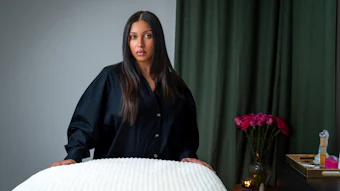
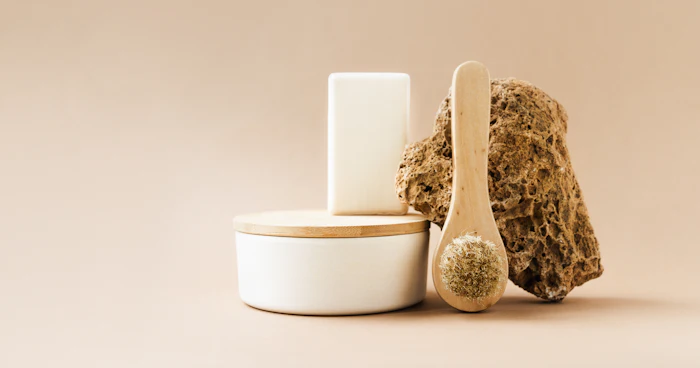
Room Setup (before the client arrives) • Warm the room to a comfortable temperature — clients eating less or losing weight rapidly often run cold and will not tell you until they are already uncomfortable. • Pre-warm the table with a table warmer or thermal blanket. Have a second blanket within reach. • Warm product bottles in a professional warmer or warm water bath (not above 100°F). • Prepare aromatherapy inhalation or infused towels, if appropriate for this client. • Set out a soft-bristle dry brush and a packaged take-home brush for the client. • Have water or herbal tea available post-service. • Use proper PPE and high-level disinfectants. (You are absorbing products too — protection matters regardless of how natural the formulation is.) |
Intake and Skin Assessment
Review the intake form and ask what changes the client has noticed in their skin. Keep questions skin-focused. Confirm contraindications, note medication use without probing into medical management, and have the client sign their treatment waiver. Help them onto the table and confirm they are warm before you begin.
STEP 1 | Aromatherapy Opening ▪ Place one to two drops of a professional aromatherapy blend on a cotton round or towel near the client — not directly on the skin. ▪ Ask the client to take two or three slow breaths if comfortable. The goal is a clean sensory opening, not a guided meditation. ▪ If using infused towels, keep the aroma fresh and light, not overpowering. ▪ For any client with fragrance sensitivity, nausea, or asthma: skip or use plain warm towels. |
STEP 2 | Dry Brushing (Exfoliation) ▪ Begin on clean, dry skin. Use a clean, soft-bristle brush with light pressure. ▪ Work from the extremities toward the center of the body in short, controlled strokes on smaller areas and longer strokes on larger areas. ▪ On the abdomen: gentle clockwise circles only, if the client is comfortable. No deep pressure. ▪ Timing: back body 5 min, legs and thighs 5 min, arms 3 min, abdomen if appropriate 2 min. ▪ The skin may pink up lightly. It should not become red, scratched, or irritated. If it does, stop. |
STEP 3 | Warm Towel Refresh ▪ Use warm aromatic or plain towels to remove loosened surface debris after dry brushing. ▪ Gentle wiping movements only — the brush has already done the exfoliation work. ▪ Pat the skin dry before applying the active serum. |
STEP 4 | Firming and Hydrating Serum Application ▪ Apply a hydrating or firming body serum to primary concern areas using long smoothing strokes, gentle circular application, and light movements to distribute product evenly. ▪ Common focus areas: upper arms, abdomen, flanks, thighs, knees, décolleté. ▪ Keep movements within product application scope. No deep kneading, deep abdominal work, or lymphatic drainage claims unless your license supports it. ▪ Look for serums containing peptides, niacinamide, copper peptides, hyaluronic acid, polyglutamic acid, green tea extract, caffeine, bakuchiol, or a body-appropriate retinoid when tolerated. |
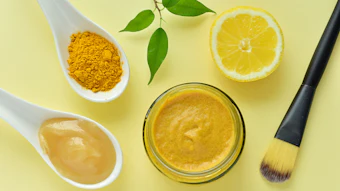
STEP 5 | Hydrating Body Mask or Wrap ▪ Apply a generous layer of hydrating mask, rich cream, or body wrap product over treated areas. ▪ Wrap with a body wrap sheet or plastic occlusive wrap. If using an infrared blanket, layer a breathable wrap or sheet underneath for hygiene. ▪ Cover the client fully with a thermal blanket. The goal is comfort and occlusion, not heavy sweating. ▪ Process 15 to 20 minutes. Check in at 10 minutes to confirm warmth, comfort, and absence of dizziness or nausea. ▪ Never leave the client alone in the treatment room. ▪ Look for masks containing ceramides, shea butter, squalane, aloe, glycerin, phospholipids, panthenol, or nourishing botanical oils. |
STEP 6 | Removal ▪ Remove the wrap carefully. Use warm, damp towels to remove the mask. ▪ Pat the skin dry — do not rub. |
STEP 7 | Finishing Application ▪ Apply a rich, barrier-supportive finishing cream, balm, or oil in long, smooth strokes to seal the treatment. ▪ This is a final application step, not a second massage. ▪ Apply sunscreen to exposed areas if the client will have daytime sun exposure. ▪ Assist the client slowly from lying to seated, and seated to standing. Clients losing weight rapidly or adjusting to medication are more prone to feeling lightheaded, stay present for this transition. |
STEP 8 | Take-Home Dry Brush Education ▪ Include a take-home dry brush as part of the service. Pull all home care product recommendations while the client is dressing. ▪ Teach them to use it on clean, dry skin before showering, with light pressure, 2 to 3 times per week. ▪ Avoid irritated, broken, sunburned, inflamed skin, eczema, psoriasis plaques, painful varicose veins, wounds, or active breakouts. ▪ Wash the brush regularly and let it dry completely. ▪ Apply body moisturizer after showering while the skin is still slightly damp. |
Pricing and Product Cost
Position this as a premium corrective body treatment, not a basic body scrub. Suggested retail pricing:
| Service | Suggested Price | Est. Supply Cost |
| 75-minute treatment | $165 – $225 | $39 – $89 (incl. take-home brush) |
| 90-minute treatment | $225 – $295 | $39 – $89 (incl. take-home brush) |
| Series of 6 | 10% off or 1 take-home product included | |
| Series of 8 | 10–15% off + dry brush + body moisturizer |
Target supply cost at 20 to 30 percent of service price, depending on whether the treatment includes a retail-size finishing product in addition to the dry brush.
Ready-to-Use Menu Description • The Skin Rebound Body Treatment is a 75- or 90-minute hydrating and firming body protocol designed for clients experiencing dryness, crepey texture, and visible skin changes associated with rapid weight loss. The treatment includes professional dry brushing, aromatic towel therapy, barrier-supportive hydration, firming active ingredients, and a take-home dry brush with client education. • This treatment supports smoother, softer, more hydrated, firmer-looking skin. It does not treat obesity, cause weight loss, eliminate cellulite, detoxify the body, or reverse structural skin laxity. |
The Bigger Picture
The GLP-1 era has created a new skin conversation in the treatment room. Clients are not only asking how to lose weight. They are asking what to do with the body they are living in after the weight starts coming off.
Estheticians are well-positioned to answer the skin part of that question. Not the medication part. Not the medical management part. The skin part. (That distinction matters, it keeps the service inside scope, protects the client, and lets the esthetician do what this profession actually does well.)
Rapid weight loss can be empowering. It can also be emotionally complicated. A client may be thrilled with their progress and still uncomfortable with the texture, looseness, or dryness they now see in the mirror. Both things can be true at the same time.
A treatment like this gives the esthetician a practical, honest way to meet that client. No miracle claims. No inch-loss promises. Just: your skin is changing, there are reasons for that, and there are supportive steps we can take.
That is good esthetics. It is exactly the conversation this industry should be ready to have.
References
• Hany M, et al. Comparison of Histological Skin Changes After Massive Weight Loss.
• Sami K, et al. Image Analyzer Study of the Skin in Patients With Morbid Obesity and Massive Weight Loss.
• Spada F, et al. Skin hydration is significantly increased by a cream formulated to mimic the skin's own natural moisturizing systems.
• Bravo B, et al. Benefits of topical hyaluronic acid for skin quality and signs of skin aging.
• Nugroho WT, et al. The Efficacy of Moisturisers Containing Ceramide Compared with Other Moisturisers.
• FDA / Zepbound (tirzepatide) prescribing information and FDA approval notice.
• Wegovy (semaglutide) prescribing information.
• Sukakul T, et al. Fragrance Contact Allergy: A Review Focusing on Patch Testing.