The rapid growth of the natural and organic skincare market reflects a fundamental shift in how people perceive skin health. Today’s consumers desire more than temporary cosmetic improvements that may compromise the skin’s barrier and long-term resilience. Instead, they seek products that are biologically compatible, transparently formulated, and environmentally responsible. Natural skincare embraces modern scientific advances, combining botanical chemistry with dermatological research to support the skin’s natural repair mechanisms rather than overriding them.
Why Natural Skincare Is Clinically Relevant
Reduced Chemical Load and Barrier Preservation
Many conventional products contain harsh surfactants, synthetic fragrances, and stabilizers that can damage the stratum corneum. Although these ingredients are permitted by regulations, frequent use may cause irritation, sensitization, and long-term barrier dysfunction. In contrast, natural skincare uses plant-based emulsifiers, preservatives, and lipids that resemble those found in human skin, thereby supporting rather than disrupting the skin’s barrier function.
Biologically Active Plant Compounds
Botanical ingredients are biologically active rather than inert. Examples such as aloe vera, green tea, chamomile, rosehip, and turmeric contain polyphenols, flavonoids, carotenoids, and essential fatty acids. These compounds exhibit anti-inflammatory and antioxidant properties. Recent dermatological research demonstrates their ability to reduce oxidative stress, regulate inflammation, and promote healthy cell turnover. Their value lies in their chemical compatibility with human skin, rather than novelty.
Environmental and Ethical Impact
Organic skincare offers benefits that extend beyond personal well-being. Ingredients grown without pesticides or synthetic fertilizers support environmental health by reducing toxicity and protecting water and soil quality. Many brands also adhere to ethical practices such as cruelty-free testing, sustainable harvesting, and reduced plastic usage. Thus, skincare decisions now contribute to broader public health and environmental concerns.
Core Natural Ingredients and Functional Benefits
Aloe Vera
Aloe vera hydrates through polysaccharides. It also reduces redness and speeds up barrier recovery. It is especially useful for sensitive, damaged, or post-inflammatory skin.
Rosehip Oil
Rosehip oil has trans-retinoic acid precursors and vitamin C. These support collagen production, regulate pigmentation, and help with scar healing.
Green Tea Extract
Green tea extract is rich in EGCG. This compound neutralizes free radicals and lowers inflammation. It works well for acne-prone and reactive skin.
Shea Butter
Shea butter provides long-chain fatty acids. These restore lipid balance and lower water loss. It is useful for dry or eczema-prone skin.
Turmeric
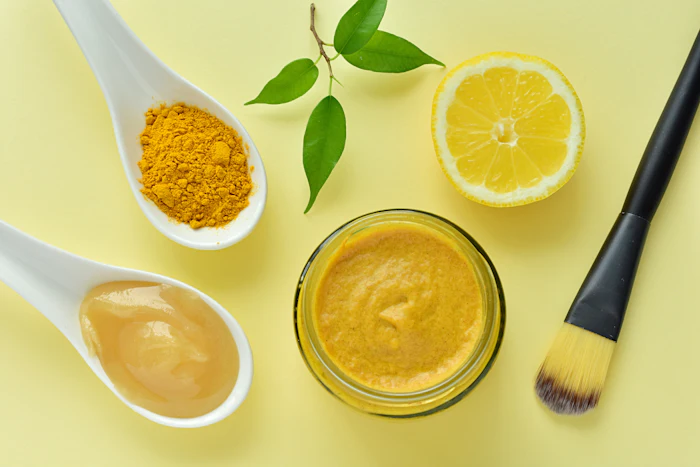
Turmeric has anti-inflammatory and antimicrobial effects. It improves skin brightness. It works best when well-formulated for absorption.
 Adobe Stock/Tuan Nguyen
Evidence-Informed Natural Skincare Practices
Oil Cleansing
Plant oils dissolve sebum and oily debris without harming the skin’s acid mantle. Oils like jojoba and sunflower are close to human sebum, so they lower rebound oil production.
Clay Masking
Kaolin and bentonite clays absorb excess oil and pollutants. They also supply trace minerals. Use these clays occasionally to prevent dehydration of the skin barrier.
Herbal Steam Therapy
Herbal steam helps circulation and slightly opens pores. This technique provides helpful, not main, benefits and is not suited to rosacea-prone skin.
Raw Honey Applications
Raw honey draws in moisture and acts as a mild antibacterial. It helps heal wounds and supports hydration. Use a small amount and remove it gently.
Evidence-Informed Natural Skincare Practices
Oil Cleansing
Plant oils dissolve sebum and oily debris without harming the skin’s acid mantle. Oils like jojoba and sunflower are close to human sebum, so they lower rebound oil production.
Clay Masking
Kaolin and bentonite clays absorb excess oil and pollutants. They also supply trace minerals. Use these clays occasionally to prevent dehydration of the skin barrier.
Herbal Steam Therapy
Herbal steam helps circulation and slightly opens pores. This technique provides helpful, not main, benefits and is not suited to rosacea-prone skin.
Raw Honey Applications
Raw honey draws in moisture and acts as a mild antibacterial. It helps heal wounds and supports hydration. Use a small amount and remove it gently.
Manual Lymphatic Techniques
Facial massage and gua sha improve lymph drainage and blood flow. Used with botanical oils, they support skin health and make routines more enjoyable.
Understanding “Natural” and “Organic” Claims
The term 'natural' is largely unregulated, whereas 'organic' refers to certified standards that prohibit synthetic inputs and GMOs. Certifications such as USDA Organic, COSMOS, and Ecocert help verify these claims but do not guarantee suitability for every individual. It remains essential to review ingredient lists. Ultimately, a product’s efficacy depends on its potency, stability, and delivery system, not marketing claims.1,2
Integrating Botanical and Clinical Actives
Effective skincare is not one or the other. Botanical products work best with proven actives such as niacinamide, hyaluronic acid, peptides, and mineral sunscreens. This approach helps skin physiology while targeting clinical needs.
A functional routine typically includes:
• A low-irritation plant-based cleanser
• A botanical toner or hydrosol
• A serum containing validated actives
• A lipid-supportive moisturizer
• A broad-spectrum mineral sunscreen
Conclusion
Natural and organic skincare represents a thoughtful return to biological fundamentals. Supported by scientific evidence and rigorous formulation, botanical products are neither simplistic nor inferior. They provide a lasting, barrier-friendly approach to maintaining skin health and supporting the environment. Achieving lasting results is best accomplished by working in harmony with the skin’s natural processes.
About the author
Shahma Ataullah is a Master Aesthetician and Educator at Aesthetic. She has more than ten years of experience in the aesthetic industry.
References:
1. https://www.fda.gov/cosmetics/cosmetics-labeling-claims/natural-and-organic-claims
2. https://www.ams.usda.gov/publications/content/organic-labeling-information
3. https://helloglow.co/oatmeal-face-scrub/
4. https://www.healthline.com/health/beauty-skin-care/coffee-
face-scrub
5. https://www.healthline.com/health/beauty-skin-care/egg-white-face-mask
6. https://helloglow.co/banana-face-mask-recipes/