Hair loss in men has long been treated as inevitable, something to either accept quietly or attempt to fix through invasive, expensive, and often intimidating procedures. But what if the future of hair restoration isn’t found in surgical suites or prescription regimens… but in controlled, targeted stimulation of the body’s own regenerative response?
For decades, the dominant narrative around male hair loss has been limited to two extremes: do nothing or commit to aggressive intervention. From transplants to long-term pharmaceutical regimens, many of the most well-known solutions come with barriers - cost, fear, downtime or simply the psychological hurdle of admitting there’s a problem to begin with.
That last piece? It matters more than most people realize. For many men, the hesitation isn’t just about the treatment itself; it’s about identity. Hair loss can feel tied to aging, control and self-perception, making the decision to seek help more complex than it appears on the surface.
While men may not always talk about hair loss, they are absolutely aware of it. They notice the thinning at the crown, the recession at the temples, the widening part, and they are now more than ever seeking solutions. There’s even a new viral trend online where men are flocking to places like Istanbul, Turkey for “Hair Tourism” where they can access invasive and risky procedures for 60-70% less than the United States! So much so that spotting tourists with shaved heads and bandages at the airports has become commonplace.
What’s often overlooked in this trend is the lack of continuity of care. These procedures are typically performed quickly, with limited follow-up, minimal long-term oversight, and varying standards of regulation. Patients are left to navigate healing, complications, and results largely on their own once they return home.
It’s a powerful indicator of demand, but also a clear signal that many men are willing to take significant risks simply because they don’t feel there are approachable options available to them locally.
This growing demand for services that feel both effective and approachable has created space for an entirely new category of treatment, one that is quietly, yet powerfully, reshaping the hair restoration landscape and creating a shift toward regenerative, non-invasive solutions.
In recent years, we’ve seen this shift in aesthetics toward treatments that work with the body rather than against it. Instead of forcing change through aggressive means, modern protocols increasingly focus on triggering the body’s own repair and regeneration processes. Hair restoration is no exception.
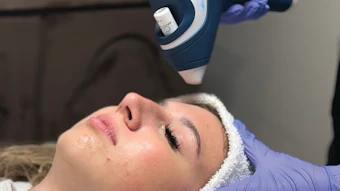
Micro channeling represents a new approach rooted in this philosophy. Rather than transplanting hair or relying solely on pharmaceuticals, Micro Channeling works by creating precise, controlled micro-injuries in the scalp. These micro channels stimulate a cascade of healing responses, activating stem cells, increasing blood flow, and encouraging the production of collagen and growth factors within the tissue.
When paired with targeted growth factor serums, this process creates an optimal environment for hair follicles to strengthen, repair, and, in many cases, re-enter the active growth phase.
The result is not an artificial or forced outcome, but a gradual, natural improvement in hair density, thickness, and overall scalp health.
Why Micro channeling Works
At its core, micro channeling leverages one of the body’s most powerful capabilities: its ability to heal.
When the skin experiences controlled micro-injury, it initiates a highly orchestrated response involving platelets, cytokines, and growth factors. In the scalp, this response is particularly valuable because it directly impacts the hair follicle environment.
Hair follicles thrive in conditions of:
• Strong vascular support (blood flow)
• Healthy extracellular matrix
• Balanced inflammatory response
• Active growth signaling
Over time, factors such as stress, hormonal shifts, and reduced circulation can disrupt this environment, leading to miniaturization of the follicle, a hallmark of thinning hair.
Micro channeling helps reverse this trend by:
• Increasing circulation to the scalp
• Enhancing nutrient delivery
• Stimulating dormant follicles
• Improving absorption of topical growth factors
Unlike traditional microneedling, Procell’s stamping technique creates uniform channels without dragging or tearing the skin. This distinction is especially important in scalp treatments, where unnecessary inflammation can further stress already compromised follicles. By minimizing trauma while maximizing precision, micro channeling creates a more controlled healing response, one that supports regeneration without overstimulation.
Why Men Are an Ideal Candidate—But an Underserved Market
Here’s where things get especially interesting from both a treatment and business perspective.
Men are, statistically, one of the most compliant client groups when it comes to consistent routines, once they commit. When they find something that works, they tend to stick with it. They are loyal, results-driven, and often prefer straightforward, no-nonsense protocols.
If you’ve been looking for creative ways to build new revenue streams or attract new clients, expanding into men’s services can be a powerful addition to your spa menu. Hair restoration, in particular, serves as a natural entry point, opening the door to ongoing, relationship-based services such as maintenance facials or even body waxing.
However, many traditional hair restoration options fail to appeal to them for several reasons:
• Perceived complexity
• Fear of invasive procedures
• Social stigma or discomfort
• Lengthy downtime or visible recovery
Micro Channeling removes many of these barriers.
Treatments are relatively quick, require minimal downtime, and can be positioned as a practical, solution-oriented service rather than a cosmetic indulgence. For men who may never walk into a med spa for injectables or surgical consultations, this creates an accessible entry point into aesthetic care.
And once they’re in? Retention tends to be strong. When the initial phase is complete, you can offer maintenance sessions, often spaced every six to twelve months, to help preserve and extend both your results and your relationship. When approached as a strategic, layered process rather than a quick fix, hair restoration can quickly help you attract a whole new demographic of men.
The Treatment Experience: What to Expect
One of the most compelling aspects of Procell Micro Channeling is its simplicity, from both the provider and client perspectives.
A typical protocol involves a series of treatments spaced several weeks apart, combined with a home care regimen designed to support and extend results. The procedure itself is well-tolerated, with most clients describing the sensation as mild to moderate but manageable. Best of all, results can be seen even after the first session and build as you go. Taking great progress photos of new growth and overall look of density is great for keeping excitement and momentum to complete the treatments. Photos are also crucial in marketing this service and can easily be taken so as not to identify the client.
Post-treatment, clients may experience slight redness or sensitivity, but downtime is minimal compared to more aggressive interventions. This is a key selling point for men who want results without disruption to their daily routine.
Over the course of treatments, clients often begin to notice:
• Reduced shedding
• Improved hair texture
• Increased density in thinning areas
• Healthier scalp condition overall
One of the most important, and often overlooked, factors in hair restoration is not just the treatment itself, but how it is performed and supported over time. Consistency and technique play a critical role in outcomes. While some protocols space treatments further apart, many advanced practitioners like Procell Expert Jessica McAteer have found that more frequent sessions, approximately every two weeks, can help stimulate the follicle more effectively, particularly in the early stages of treatment. Every client is different, and this is why thorough training is necessary to fully understand all treatment variations and protocols. Using the appropriate depth is equally important. For scalp applications, a 0.5 mm tip is often ideal, as it allows for targeted stimulation at the level of the follicle where stem cell activity is most impactful.
Preparation and aftercare are also essential components of a successful outcome. Jessica warns, “Clients should avoid potential irritants, harsh products and scalp exfoliants, in the days leading up to treatment, and minimize sun exposure to keep the scalp in a calm, receptive state.” Following treatment, there is a brief but important window where the micro channels remain open and highly absorbent. During this time, it’s critical to avoid touching the scalp, excessive heat, or strenuous activity, as these can interfere with both healing and product absorption. Even simple habits, like waiting 24 hours before washing the hair can significantly influence results.
Results build progressively, reinforcing consistency and encouraging long-term engagement. Keep in mind that Procell does not work for everyone, so if no results are seen after the second treatment the company suggests discontinuing the series. Micro Channeling can be highly effective, but client selection does play a critical role in outcomes. The best candidates are typically those in the early to moderate stages of hair thinning, where follicles are still active but underperforming. Clients experiencing complete follicle loss or long-standing baldness may see limited results, as the treatment relies on stimulating existing biological structures rather than creating new ones.
Setting these expectations early not only improves satisfaction but reinforces your role as a knowledgeable, result-driven provider.
Positioning the Service: Language Matters
How you present hair restoration to male clients can significantly impact conversion.
This is not a market that typically responds to overly aesthetic or beauty-driven messaging. Instead, framing the treatment in terms of performance, function, and results tends to resonate more strongly.
Think:
• “Strengthening the follicle environment”
• “Improving scalp health for better hair growth”
• “Supporting natural regeneration”
This subtle shift in language can make the difference between hesitation and buy-in. Instead of framing the issue as something to “fix,” it becomes something to optimize, bringing the client into a mindset of improvement rather than insecurity. It allows the service to feel aligned with wellness and self-optimization, categories that are increasingly relevant to male consumers, and it helps remove the emotional weight often associated with hair loss conversations.
The Profit Potential
Of course, these treatments can also be done for women with thinning hair, but men’s hair restoration represents a largely untapped revenue stream for many estheticians and spa owners. While significant resources are often devoted to facial treatments, body services, and female-focused offerings, male clients remain under-marketed despite their strong potential lifetime value.
Consider the advantages:
• High retention rates
• Strong compliance with treatment plans
• Willingness to invest in visible results
• Lower likelihood of “treatment hopping”
Procell devices are easy to purchase, have affordable pricing and discounted intro kits. All devices come with hands on training and support from a local representative as well and at my business, Beautique Salon, Spa & Lash Lounge, we are constantly utilizing all the resources and support they provide.
Promotion of a service like micro channeling, which naturally lends itself to a series-based model, makes revenue potential even more compelling. Going further to add complementary services to your menu like Red Light Therapy or retailing
Light therapy units or needle stampers for maintenance can build a whole niche for this service at your spa.
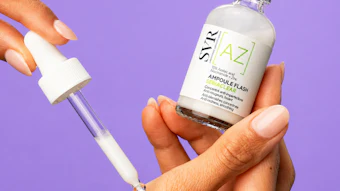
With hair restoration, supporting clients on their journey at home is crucial, making retail selling part of the total package, and another big revenue boost. Hair restoration is not a one-time event, but a process that relies on ongoing stimulation and support. The use of targeted, stem-cell-based serums at home can dramatically enhance outcomes when applied consistently and correctly. Applying these serums to a clean scalp, allowing adequate absorption time, and integrating them into a nightly routine help reinforce the regenerative signals initiated during in-office treatments. It also gets men in the habit of daily routines that can be expanded into skin care as well.
The bottom line is, this service meets clients where they are:
Curious, aware, but not necessarily ready for extremes.
And in doing so, it opens the door to earlier intervention, arguably one of the most important factors in successful hair restoration.
As the industry continues to evolve, the demand for treatments that are effective, approachable, and aligned with the body’s natural processes will only grow.
Men’s hair restoration is poised to be a major part of that evolution.
Not because it’s new, but because it’s finally becoming accessible. For providers, this represents an opportunity not just to expand services, but to redefine how hair loss is addressed entirely. Offering solutions that feel practical rather than overwhelming, results-driven rather than risky, and regenerative rather than invasive. And the result? You position yourself at the forefront of a rapidly growing niche.
For this new generation of male clients, it offers something they’ve been quietly looking for all along: A solution that feels practical. A process that feels approachable. And results that feel natural, not forced. Because the future of hair restoration isn’t about chasing extremes, it’s about meeting clients earlier, supporting the body intelligently, and redefining what’s possible before the point of no return.