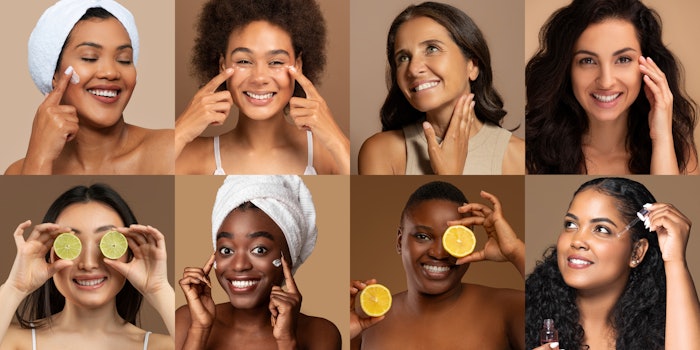
Skin care usually comes in real hot at the dawn of a new year: people feel guilty about overindulging during the holidays, they're stuck in the new year's resolution groove and, of course, winter weather has us all on high alert when it comes to babying our skin.
With all the market chatter though, what are the trends defining the current moment in products? In an age that demands brand trust and proof of results, these shouldn't come as a surprise.
This article is only available to registered users.
Log In to View the Full Article
Skin care usually comes in real hot at the dawn of a new year: people feel guilty about overindulging during the holidays, they're stuck in the new year's resolution groove and, of course, winter weather has us all on high alert when it comes to babying our skin.
With all the market chatter though, what are the trends defining the current moment in products? In an age that demands brand trust and proof of results, these shouldn't come as a surprise.
1. Medical-grade efficacy
 Medical-grade skin care is rooted in delivering clinically-backed results, and backed by medical professionals, appealing to many as a safe option in an oversaturated market.Image by tonefotografia / Adobe Stock.
The market's lean towards medical-grade skin care isn't just driven by a desire for trust, but by the robust push towards longevity as well. Since medical-grade skin care prioritizes health and tends to be backed by thorough testing efforts, as well as the word of medical professionals, consistent use of this caliber of skin care tends to improve the overall quality and health of skin, sustaining a client's progress in their skin journey between appointments with their esthetician or derm. Brands like ZO Skin Health have been lauded by folks all over for their results and the science that drives them.
2. Skin health
An increasingly longevity-driven culture and physiology-conscious consumer means that skin health is at the top of everyone's minds. This means that a proactive and preventative approach is more favored than the traditional corrective approach, and that skin goals tend to align with ensuring the skin functions as it should, i.e., healthy barriers to keep moisture in, collagen production, mitigating risk of inflammatory reactions, etc., rather than purely aesthetic or superficial results.
While longevity certainly includes the "anti-aging" journey we're all ever-pursuing, attitudes towards aging are also changing. In emphasizing health over aesthetics, we focus on our body as a tool and aging as a privilege, taking pressure off the more superficial elements, fostering a healthier sense of self and reaping far better results than the old "anti-aging" vanguard ever could have hoped to accomplish.
This also means better-managed expectations from clients when it comes to treatments; we're seeing the desire for quick fixes and miracle wrinkle "cures" wane, as people shift to a longer-term approach to skin care. Results aren't just achieved after all; they must be maintained.
3. Proven actives
Now that consumers are a little more aware of skin health, they can try to use basic ingredient knowledge to filter out products that have their desired active ingredients, especially when it comes to treating specific skin issues. BHA, hydroquinone and retinoids are popular for acne, hyperpigmentation and well-aging, respectively.
The "clean" beauty movement has resulted in consumers avoiding products with certain types of ingredients, but in a market this flooded, it never hurts to give clients more tools for choosing better products.
4. Comprehensive solutions
 Growing consumer awareness means that skin is no longer a one-size-fits-all; now they're looking into their specific skin needs.Image by onderortel / Adobe Stock.
A growing number of skin care brands are debuting separate lines of products to remedy specific skin issues. Professionals who see specific conditions in their clientele diversify their retail offerings accordingly, which conveniently accompanies the client education delivered during treatments. This ensures that clients understand what the issue is and what a possible solution may be while providing them with the resources to meet their healthy skin goals.
5. Customization
These days, consumers are looking for skin care that'll work for them specifically, not just generally well. After establishing a core regimen with a cleanser, toner and moisturizer, many go on to add different products to build out a more specific routine. Detailed consultations with their estheticians can better equip them for what products they may need to branch out to. Additionally, having a wide variety of specialty products according to your clientele's needs can also make this process easier.
6. Professional support
Since medical-grade skin care tends to be more concentrated and specialized, the support skin professionals provide when using and retailing them make up a robust skin support system for clients. When clients are trained to use products correctly and can ask specific questions, it takes a lot of the guesswork out and mitigates the risk of accidental harm.
This can also help manage client expectations: how long before you see results, what to do if their skin reacts—preparing them for scenarios specific to their products only empowers clients to take better care of their skin, for longer.
7. Bridging treatments
 Product and technique education can help maintain results and progress between appointments.Image by Africa Studio / Adobe Stock.
Consistent use of products keeps the momentum of clients' skin care journeys, mitigating the risk of halting or even undoing progress. Switching your clients onto using proven products can take a weight off your shoulders when you know they're not wrecking their skin with the latest drug store brand.
8. Science-driven innovation
The "rizz" is no longer enough to keep the consumer's attention. For all the glam Insta posts and cute packaging out there, clients aren't playing around anymore as they shift to a more science-minded approach to their products. This means credible, clinically-backed formulations that are sustainable—and we don't just mean with respect to the environment. True sustainability also means that the client maintains access to their product, from a cost standpoint. Biotech has made massive strides in both, making formerly limited and/or ethically questionable sourcing less of an issue with the rise of lab-developed ingredients.