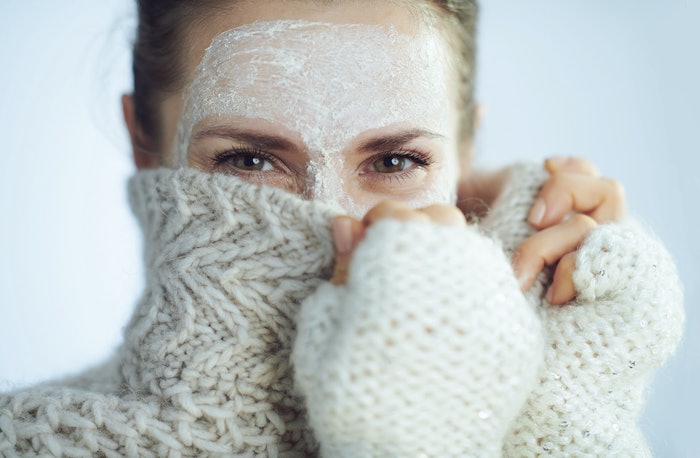
Every esthetician knows that cold months typically accompany naturally lower humidity, continuously running heating systems and, for some, forgetting to drink water consistently throughout the day, as well as indulging in hotter showers.
This article is only available to registered users.
Log In to View the Full Article
Every esthetician knows that cold months typically accompany naturally lower humidity, continuously running heating systems and, for some, forgetting to drink water consistently throughout the day, as well as indulging in hotter showers.
Consequently, winter weather skin challenges arise that need to be addressed. The most common client concerns include skin dryness, tightness and hyper reactivity that may look and feel like irritation, redness, peeling and even breakouts in some individuals. A disrupted skin barrier is the ultimate culprit for the bouquet of winter-related skin issues. Even the healthiest skin barrier struggles with remaining stoic in the face of environmental stressors that lead to a visibly dull, lackluster, glow-deprived complexion, not to mention the discomfort experienced from having an imbalanced skin barrier. Proactively and effectively delivering successful treatments and recommended home care results is essential to nurture the skin, client experience and a high level of gratification. Demystifying the dynamic nature and science behind the skin barrier function is the key to supporting a healthy skin barrier throughout the changing seasons.
Skin Barrier Refresher
The skin barrier, also interchangeably known as the acid mantle, literally means an acidic covering. It is divinely designed to protect the outermost layer of the skin. It is made up of natural oils, lipids, and skin cells, or more specifically, corneocytes that make up the outermost layer of the epidermis. The primary function of the barrier is protection. It serves as the front-line defense against external aggressors, including those imposed by environmental variables. Simultaneously, it combats the adverse potential of trans epidermal water loss (TEWL).
An ideal pH range of healthy, balanced skin is between 4.5 and 6.3, leaning slightly acidic. The acidity facilitates a proper lipid spread and an optimal skin barrier environment for a healthy microbiome, the invisible part of the skin’s ecosystem made up of trillions of microorganisms. Fun fact: oilier skin types naturally have a more acidic pH than dry skin. Though it is potentially more prone to breakouts and acne, on the flip side, the lower pH helps the skin better defend against environmental assaults. To add, oily skin tends to age at a slower rate than dry skin.
An alkaline or high pH skin barrier means it is disrupted, also referred to as being compromised. The signature baseline symptoms of a compromised barrier are sensitivity, redness and irritation. The hypersensitivity of the skin can easily be determined by gently pressing down on a cheek, jawline or forehead and noticing the distinct color contrast between where pressure was applied and the surrounding area. The visible dehydration of the skin and increased reactivity to irritants are collateral results. A prolonged alkaline pH barrier weakens lipid cohesion and disrupts enzymatic processes, ultimately, the root cause of winter weather skin problems, which are common around this time of the year.
Winter Skin Blues
Between the cold gusts of wind, the still-chilling dry outdoor air, the forced hot air from central heating systems and not hydrating enough, winter often creates the perfect storm for dehydrated, winter skin blues. The already low humidity outside, combined with indoor dry air, forces stratum corneum water loss and evaporation, the classic case of TEWL. Add space heaters and long hot showers to this skin assault, and you've further accelerated the skin-parching process.
The multi-dimensional moisture-declining skin saga leads to skin that is less elastic, less supple and far from resilient. Let’s not forget to mention that it can develop micro-cracks in bad-case scenarios. The outcome? Dry and uncomfortable skin tightness; ashy flaking or peeling skin; sensitivity and redness; an unpleasant stinging or burning sensation from the irritated skin and even unexpected breakouts in acne-prone individuals.
The last symptom, breakouts, is the one that’s most unexpected and often surprises clients. The opportunistic bacterium, known as Propionibacterium acnes (P. acnes), which was recently renamed Cutibacterium acnes (C. acnes), resides on the surface of the skin. When met with ideal conditions, such as dehydrated skin, the bacteria thrive. When oily skin is dried, it perceives an oil deficiency. In response, the sebaceous glands begin to work extra hard to try to self-correct the barrier disruption, leading to overcompensation. In turn, the sebaceous glands produce oil excessively, causing it to sit and even pool on the surface of the skin. This creates a breeding ground for the bacteria to grow. The active C. acnes bacterium travels down the hair follicle or pore, combined with dead skin cell congestion, ultimately triggering inflammation expressed as papules and even pustules.
Winter Time Barrier Disruption
An optimal skin barrier is fostered by having a well-balanced lipid matrix made up of naturally occurring cholesterols, ceramides and fatty acids to prevent TEWL. For a deeper understanding, imagine the skin barrier as a brick-and-mortar wall: the skin cells, or bricks, are cemented by the lipid matrix, the mortar. During the winter, harsh environmental conditions cause a loss of lipids. This deficiency enables water molecules to evaporate as a result of insufficient lubricants on the skin, exposing it to irritants. In other words, the skin's "mortar" is compromised and not serving as it should.
Healthy skin turnover rate ranges from 28 to 40 days, but not when it’s confronted with a disrupted barrier. It's common for the cell turnover rate to slow during the winter. The slower rate means there is an accumulation of corneocytes or dead skin cells sitting on the surface of the skin. This can cause atypical sensitivity and prevent optimal product penetration, rendering skin care less effective. When treating clients during these cold months, the first stage must always be to repair the barrier function before even considering corrective work.
Restoring The Barrier
Restoring balance is at the root of the solution to help clients revitalize and restore the skin’s barrier function and resilience. It requires a delicate dance between exfoliating the skin to boost cell turnover and clear out accumulated dead skin cells while working to protect, revitalize and renew. A holistic approach is essential for bringing skin back to life promptly. This includes addressing both external and internal factors. Factoring in the environment, nutrition and the ever-client-coveted topicals, establishing an unwavering commitment to routine consistency can help clients synergistically offset winter skin blues.
Optimize the environment as much as possible. Keep it hydrated by having humidifiers at the practice. Suggest that clients do the same at their home and place of work. It can be as simple as having a small tabletop unit to help combat dehydration. Staying hydrated from the inside is essential, too. Encourage clients to continue drinking plenty of water throughout the day. Even suggestions like getting a favorite new water bottle or drinking from a straw have inspired some to drink more water. Before getting to topical skin care, educate your clients on eating their skin care. Foods high in healthy fatty acids support restoring the skin’s barrier lipids, while foods high in omega-3, like chia seeds, flaxseed, walnuts and salmon have anti-inflammatory benefits.
Topically, the skin has to go through a series of stages. Use gentle low concentrations of enzymes and fruit acids like alpha hydroxy acids (AHA) to exfoliate the skin and pave the way to skin regeneration. This will boost cell turnover and enable better product absorption and effectiveness. Be careful not to over-exfoliate or further alkalinize the skin because this will cause further irritation and delay skin recovery. Hydrate, moisturize and protect the skin. Emollient and occlusive ingredients like sea buckthorn, squalene, beeswax or jojoba, function as a protective seal for the skin, relating it back to the mortar idea, which helps strengthen lipid barrier function by locking in hydration.
Formulas combining humectants like hyaluronic acid and glycerin, followed by some of the lubricating ingredients mentioned above, work in tandem to hydrate and lock moisture in to prevent skin dehydration in reverse. Guiding clients to get on a barrier-forward routine is essential, and getting them to stick with it is equally important. If clients are already on a strong corrective regimen, the best advice is to scale back for the time being and simplify the routine for the wintertime.
Final Thoughts
A healthy skin barrier isn’t just about aesthetics; it’s about wellness and skin vitality. Though the cold winter months can stir skin chaos for those unprepared, staying educated, proactive and empowered equips the professional to help clients evade those wintertime skin troubles. It’s an opportunistic time for every skin professional to step up as a coach and practitioner that clients can trust and keep coming back to. Helping clients better understand the science behind a healthy skin barrier and the importance of maintaining its balance empowers them, elevates the customer experience and most importantly, builds unmatched trust.
References
- Dréno B, Pécastaings S, Corvec S, Veraldi S, Khammari A, Roques C. Cutibacterium acnes (Propionibacterium acnes) and acne vulgaris: a brief look at the latest updates. J Eur Acad Dermatol Venereol. 2018 Jun;32 Suppl 2:5-14. doi: 10.1111/jdv.15043. PMID: 29894579.
- Stanley, J. R. (1995). What Is the Epidermal Intercellular Cement and Why Is It Important? The Journal of Dermatology, 22(11), 836-838. https://doi.org/10.1111/j.1346-8138.1995.tb03932.x
- Raquel Allen Garcia Barbeto Siqueira, Iveta Hradkova, Vânia Rodrigues Leite-Silva, Newton Andréo-Filho, and Patricia Santos Lopes. Skin Lipids and Their Influence on Skin Microbiome and Skin Care. ACS Omega 2025 10 (27), 28534-28546. DOI: 10.1021/acsomega.4c11687