Anytime you bring a new modality into your spa, practice or business, it needs to function like a partnership. A service that isn’t dependable can quickly become a drain—on your resources, your team’s morale and ultimately your guests’ trust.
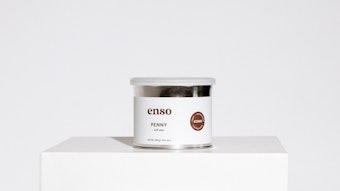
When it comes to body sugaring, I’ve learned over the last three decades that this is a partnership you can count on. Sugaring doesn’t require a machine that might break down in the middle of a busy day. It doesn’t depend on a supply chain of complicated products that could leave you waiting for weeks on backorders. At its core, it relies on three simple tools: a professional-grade sugar paste, gloves and cornstarch.
In the rare event you run short on gloves or cornstarch, these are the kinds of essentials you can pick up at a local pharmacy to get you through until your next order arrives. That level of stability is rare in our industry, and in my experience, it’s invaluable. From a business perspective, sugaring delivers a return on investment that is steady, dependable and remarkable.
The cost of the product is minimal compared to the service price, meaning profitability isn’t tied up in expensive consumables. What drives success is training, technique and guest loyalty, and loyalty is exactly what sugaring builds, because the treatment works, feels different than anything else and keeps guests coming back month after month.
Body sugaring is often called one of the oldest known methods of hair removal, with roots traced back thousands of years to ancient Egypt and the Middle East. When you consider how sophisticated those civilizations were in their approach to beauty and self-care, it makes sense that something so natural and effective has endured through centuries.
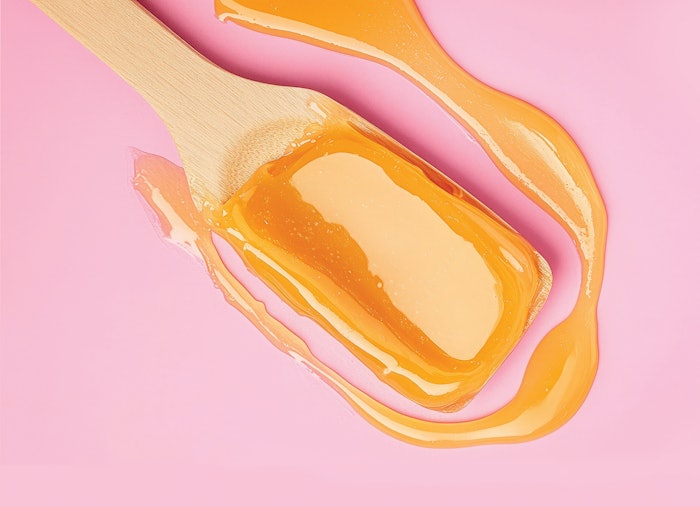
At its simplest, sugar paste is made from sugar, water and lemon juice. There are no resins, no artificial dyes, no harsh chemicals—just a pliable, biodegradable paste that works in harmony with the skin. That in itself makes sugaring relevant in today’s spa industry, where “clean beauty” and sustainability are no longer trends, but expectations.
What makes sugaring distinct from waxing is not only what’s in the jar, but how it’s applied and removed. Sugar paste is warmed only to body temperature and applied against the direction of hair growth, then removed or flicked off in the natural direction of growth. This means less breakage, less irritation and a smoother result. The experience feels gentle for the guest, and the results speak for themselves: hair grows back finer, softer and more sparse over time. What I love most about sugaring, and what I think many professionals come to love, is that it’s as much an art as it is a service. The consistency of the paste matters, the rhythm of your hands matters and even the temperature of the room matters.
Unlike treatments that rely heavily on machines, sugaring requires the practitioner’s skill, presence and touch. In an industry where personalization is everything, sugaring delivers a truly hand-crafted experience.
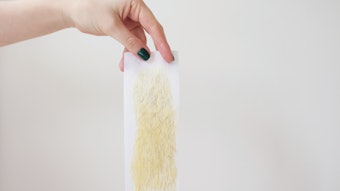
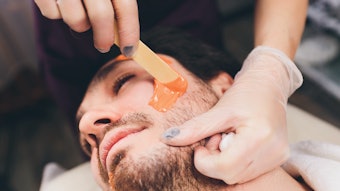
That said, waxing still holds a strong and very valid place in the professional spa. A well-formulated wax can absolutely deliver a clean, effective and satisfying result, with hair also growing back finer and sparser over time. The key for any salon or spa is finding a professional brand partner that prioritizes education and support—whether for sugaring, waxing or both.
Offering both sugaring and waxing services on your menu can be a smart strategy to appeal to a broader clientele. Some guests may prefer sugaring for sensitive areas, like the face or bikini line, while others may opt for waxing on larger areas like legs or back. Providing both options shows your guests that you understand their individual needs, and that you’re committed to delivering exceptional results, no matter their preference.
In the end, it’s not about choosing one method over the other. It’s about giving your guests the freedom to choose what’s best for their skin, their body and their comfort.