There have been a lot of big waves in the industry and the larger economy recently.
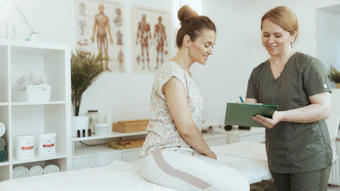
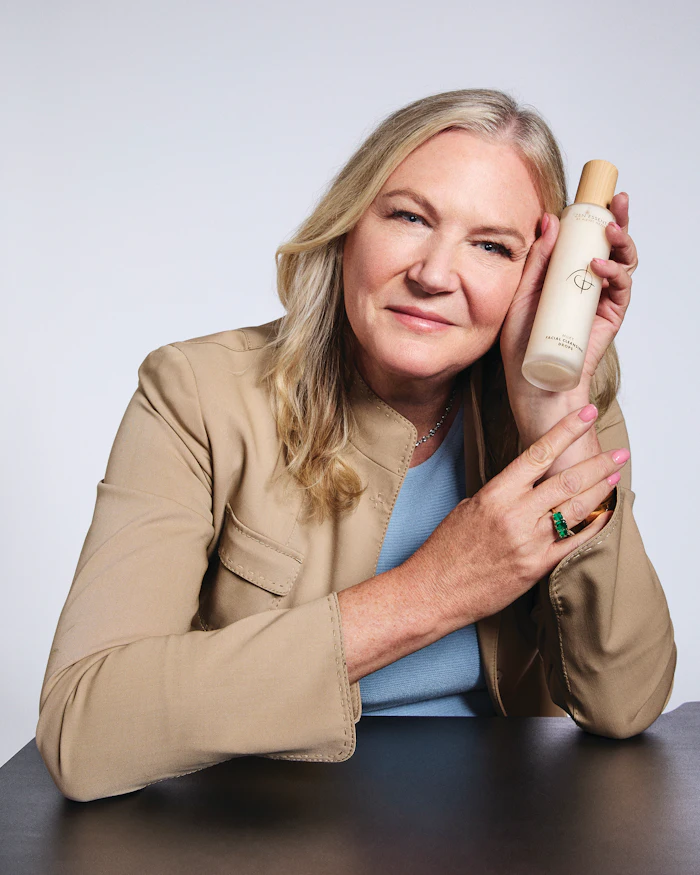
Aesthetics is less literally surgical, but moving with more surgical precision than ever before. At a time where consumers are looking for ways to spot credible brands—through a proven track record of clinical tests, the endorsement of medical professionals, a history of noticeable results and what have you—we’re seeing a pattern of tastemakers and industry champions: women medical professionals, specifically surgeons.
This article is only available to registered users.
Log In to View the Full Article
There have been a lot of big waves in the industry and the larger economy recently.
Aesthetics is less literally surgical, but moving with more surgical precision than ever before. At a time where consumers are looking for ways to spot credible brands—through a proven track record of clinical tests, the endorsement of medical professionals, a history of noticeable results and what have you—we’re seeing a pattern of tastemakers and industry champions: women medical professionals, specifically surgeons.
This trend in who’s debuting new brands in the market is specific, but no less potent; so what is driving such a specific momentum?
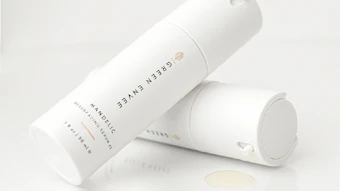
“People are more interested in the info and the science in skin care in general, which propels the industry forward,” says Dr. Alexes Hazen, board-certified plastic surgeon and founder of Zen Essentials. “[Additionally], women who started their careers in the nineties are peaking now. They’ve accrued a lot of knowledge and power, so they can move the needle a bit. There’s also a lot of permission around this: people are aging in the workforce. They want to look and feel good, and they want to feel good for longer.”
Hazen makes a salient point: until all too recently, positions as movers and shakers within the industry were predominantly occupied by men. Leadership roles, positions in academia, even media and publishers—all men. That’s since changed, as has the nature of the anti-aging movement and skin care overall.
Culturally, we’ve abandoned the purely superficial pursuit of aestheticism and elevated our goal to be more about preserving the integrity of our skin and bodies, so that full-body health can be reflected through attaining and sustaining our aesthetic goals. This convergence has largely contributed to the marriage between the medical and what we curate for our skin routines.
Moreover, having a consumer body that’s invested in the journey, not just the results, makes a huge difference too. The more accessible it is to be educated about your skin and aesthetic goals, and the easier it is to find respectable brands, the more convenient it is for consumers to choose them. A brand with a medical pedigree to go with it takes a lot of the heavy lifting off the consumer when it comes to validating the brand. Additionally, uniting the purchase of products with semi-regular appointments helps. While convenience has been a primary consideration for consumers for a bit now (remember the TV dinner era?), the way we approach it has evolved. Choosing healthy, safe and reliable options should be convenient, not sacrificed for the sake of convenience.
With many women operating in the workforce these days, and women historically being the primary demographic when it comes to all things beauty-related, quality-convenience was always a foregone conclusion for the market.
Hazen draws on her own experiences, and the differences between how she and her parents thought. “My parents didn’t care about convenience at all, and they felt the same with beauty products, but people my age care a lot.”
This era of heightened consumer awareness has changed the way brands interact with consumers, and the rise of K-beauty is a perfect example.
Hazen reiterates her earlier point on the educated consumer: “People wanted to learn about Korean products and what made k-beauty different. It’s the educated consumer propelling the industry forward.”
From one movement springs many more
Society’s ability to engage with conversations surrounding beauty, skin care and aesthetics has also paved the way for more comprehensive inclusivity. Beauty products now target a wider age range and are less gendered. The industry understands that women of all ages are invested in beauty and wellness, and that men are too. Many partners share products in their regimen, and with men feeling more empowered to enjoy the benefits of investing in skin, like noticing fewer breakouts, they find a more straightforward path to looking and feeling better.
The more health-conscious mindset of beauty consumers (particularly Gen Z-ers, who have championed other health-related cultural shifts like the sober-curious movements and more diversified, devoted gym routines, to name a couple) has also contributed to the growth of the non-toxic and "clean" beauty movements.
The modern consumer is learning to make heads and tails of labels, and is collaborating more closely with their estheticians and doctors to improve their label literacy: it can be daunting to see 10 ingredients that all sound like chemicals and not recognize any of them. For those who feel more comfortable with “natural” ingredients (whatever that actually means!), consumers should understand that even ingredients that align with their definition of natural may still sound like some of the chemicals they’re trying to avoid. Consumers are more educated about what they’re putting in and on their bodies than ever before, but to Hazen’s point, they still don’t want a research project every time they need to buy a face cream.
Consumers may also lack an understanding of what toxicity means in beauty; while some ingredients can cause cancer or make people sick, even smaller adverse reactions like irritation or redness should be included when it comes to product and ingredient education, and working with clients who crave “clean” beauty.
What does the “medification” of skin care mean for professionals in skin and spa?
As with all things, where specific professionals, services and devices fit depends on the intention of the business. Places run by medical professionals tend to specialize in specific demands or concerns, contingent on the clientele. Those looking to get facials are looking to resolve skin issues, or maintain their current skin health—the need to see a medical professional versus an esthetician is different, even if the two roles are operating in a closer vicinity these days. If someone’s pursuing a massage, there’s a more experiential and connective element to what they’re seeking out that they simply won’t find at a filler appointment, or a laser treatment, and on the flipside, those pursuing body treatments at a medspa tend to have a clear aesthetic goal, where the holistic benefits of a more traditional spa experience are less of a priority, if at all.
Hazen confirms that as a general rule of thumb, if a client’s seeking a procedure, they should make sure they’re going to a medspa with a medical director.
The array of roles in aesthetics is nuanced and varied at all the different levels. When estheticians build out their network, they should take into account what new connections can bring to their clients’ broader wellness journeys, be it through client education, service referrals or other secondary priorities, like sustainability efforts or “clean” beauty.
Hazen also points out that there’s plenty of ground for professionals of all types to cover when it comes to the modern beauty market: men feel more confident in beauty spaces now, allowing professionals to crack an under-explored market wide open. Young people are being more proactive when it comes to their acne, because having “troublesome” skin is difficult to hide, and more than that, consumers are becoming fed up with the idea of having to hide to preserve their confidence.
Medical professionals and estheticians are finding themselves on similar turf because historically, surgery was what worked for more ambitious aesthetic goals. With technology getting smarter and less invasive, service providers no longer need to subject patients to going under the knife, depending on what results they’re looking for.
As for what’s coming next, Hazen predicts more synergistic combinations, as more professionals train to become savvy in the latest tech. Longevity will remain huge, especially as the industry masters reversing aging at the cellular level, and the current clinical moment in the industry? That’s sticking around, too, as clients and professionals alike start thinking of beauty and aesthetics as accomplishing something substantive.
More medical professionals are going to start donning business hats along with their stethoscopes, as business becomes a language spoken by more professionals across various industries. As we rush to commodify, we’ll see even more of the creative web bridging professions as brand partnerships take off, influencers continue to grab marketing by the horns and platforms like Instagram continue to nourish the thriving landscape of e-commerce.