GLP-1 medications have quickly moved from medical offices into everyday conversation. Originally prescribed for diabetes management and now widely used for weight loss, these medications are changing not only bodies, but skin.
As their use becomes more common, beauty professionals are increasingly seeing clients present with unexplained dryness, sensitivity, volume loss and delayed skin recovery. For estheticians, especially those treating skin of color, understanding the skin implications of GLP-1 medications is no longer optional; it’s essential for client safety and long-term results.
This article is only available to registered users.
Log In to View the Full Article
GLP-1 medications have quickly moved from medical offices into everyday conversation. Originally prescribed for diabetes management and now widely used for weight loss, these medications are changing not only bodies, but skin.
As their use becomes more common, beauty professionals are increasingly seeing clients present with unexplained dryness, sensitivity, volume loss and delayed skin recovery. For estheticians, especially those treating skin of color, understanding the skin implications of GLP-1 medications is no longer optional; it’s essential for client safety and long-term results.
How GLP-1 Medications Affect the Skin
GLP-1 medications work by slowing gastric emptying, regulating blood sugar and significantly reducing appetite. While effective for weight loss, this rapid metabolic change can impact the skin in several ways. It can:
Accelerated volume loss, particularly in the face (aka Ozempic Face)
Increased dehydration due to reduced nutritional intake
Compromised barrier function, making skin more reactive
Slower cellular recovery, especially after exfoliation or advanced treatments
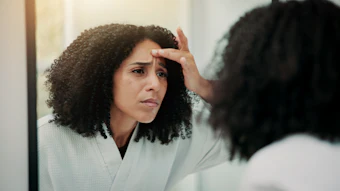
Many clients experience what has been coined “GLP-1 face,” marked by hollowing, laxity, dullness and heightened sensitivity. While these changes can affect all skin types, the consequences can be more severe and longer-lasting for individuals with melanin-rich skin.
Why Skin of Color Requires a More Cautious Approach
Melanin-rich skin responds to inflammation differently from lighter skin tones. Any disruption to the barrier, whether from dehydration, over-exfoliation or heat, can increase the risk of post-inflammatory hyperpigmentation (PIH), uneven tone and prolonged healing.
When GLP-1 medications are involved, these risks are amplified. Reduced skin resilience combined with aggressive treatments can lead to pigment issues that take months, or even years, to correct.
Another challenge is disclosure. Many clients do not volunteer medication use unless directly asked. Without updated consultation forms and intentional questioning, estheticians may unknowingly treat compromised skin as if it were healthy and stable.
Treatments to Avoid or Use With Extreme Caution
When working with clients actively using GLP-1 medications, especially women and men of color, certain treatments should be avoided or significantly modified. They include but not limited too:
Aggressive chemical peels
Multiple exfoliation layers in a single service
High-heat modalities that increase inflammation
Strong acid protocols without barrier assessment
“Corrective” treatments that prioritize speed over skin health
These approaches can overwhelm already compromised skin, increasing the likelihood of irritation and pigment disruption.
What Beauty Professionals Should Do Instead
The role of the esthetician must shift from correction to protection when treating GLP-1 clients. This requires both education and restraint.
Best practices include:
Updating consultation forms to include GLP-1 and weight-loss medications
Prioritizing barrier repair, hydration and inflammation control
Slowing treatment timelines and spacing advanced services further apart
Educating clients on realistic skin expectations during GLP-1 use
Documenting skin responses carefully and adjusting protocols accordingly
Progress may feel slower, but it is safer and more sustainable.
Facial Treatments Best Suited for GLP-1 Clients
For clients using GLP-1 medications, especially those with melanin-rich skin, treatments should support skin resilience rather than challenge it. Ideal services include, but not limited too:
Barrier-supportive facials focused on lipid restoration
Enzyme-based exfoliation instead of aggressive acids
Hydration-forward treatments that reduce transepidermal water loss
Calming, anti-inflammatory protocols
Long-term skin health plans rather than “quick fix” correction
These treatments protect the skin while maintaining client trust and long-term outcomes.
The Responsibility of the Licensed Esthetician
GLP-1 medications are not a passing trend, they represent a shift in how many clients experience weight loss and skin changes. As beauty professionals, adapting protocols is part of ethical practice.
Protecting the skin, especially skin of color, requires education, intention and the willingness to slow down. When estheticians lead with skin health instead of aggressive correction, they not only preserve results but also protect their clients’ confidence and long-term skin integrity.