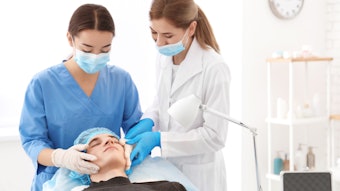
As licensed estheticians, we are trained to prioritize skin health, safety and ethical care.
Yet a growing trend challenges the very standards our profession is built on: professional-level skin care treatments being marketed for at-home use, often without proper regulation or transparency.
Professional peels, microneedling tools, and other advanced treatments — once reserved for licensed professionals — are now widely available online. At the same time, social media influencers with no formal education or credentialing are presenting themselves as “experts,” even charging for online trainings that teach complex and potentially dangerous techniques. Engagement and profit are frequently prioritized over accuracy and safety. I’ve noticed that the “how much you can save” line is almost always inserted into their schtick.
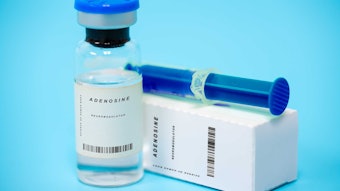
Most concerning is the rise in access to injectable products advertised as Botox or dermal fillers, many of which are not FDA-approved. These products are being purchased and used without medical oversight, proper storage or anatomical training. The risks — infection, vascular complications, scarring and permanent damage — are real! Yet when healing is necessary, it’s not influencers or DIY video educators who are held accountable. More importantly, it's not the company that sold the product that responds. Licensed professionals are often the ones left to address the consequences.
Regulations and licensing requirements exist to protect public health, not to limit access arbitrarily. When these safeguards are bypassed, both clients and practitioners are put at risk.
These moments call for intentional conversations. As aestheticians, we are uniquely positioned to educate clients, clarify misinformation and explain why professional treatment matters. By fostering open, informed dialogue, we reinforce trust, elevate industry standards and advocate for skin health over trends.
Protecting skin means protecting professionalism, and that conversation starts with us.