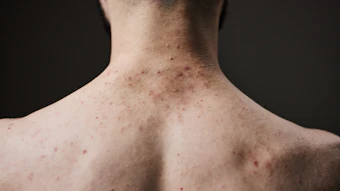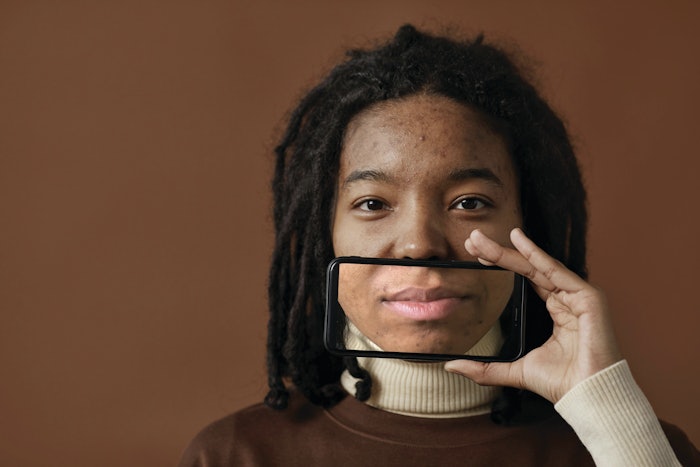
Acne is such a common problem we see in our treatment rooms. It seems like almost every client nowadays suffers from acne. As estheticians, we are trained to focus topically to clear our clients’ skin. How do we better ourselves to help our clients navigate lifestyle and stress, while battling the information overload on social media?
This is the unique approach to treating acne differently to clear clients' skin.
Many estheticians go into our line of work either because we were able to heal our own skin problems or because we love helping people. Let’s talk about how you can improve the way you approach clients and treat acne. We're going to cover four main ideas: the skin barrier and acne, the impacts of sleep and lifestyle and how to manage and treat acne.
Before we get into the skin part of it, though, I want to start with busting some of the acne myths all over the web, starting with everyone suddenly being a skin expert.
I dare you to go on any social media platform and type in the word acne. The sheer amount of information is overwhelming. Let’s start there, the somewhat aware enthusiast has now become an online skin consultant, and even actual experts like dermatologists and estheticians are soaking up the limelight by sharing their favorite over-the-counter skin care products to fight acne. It’s hard to stand out as an expert these days because the world is in a state of information overload.
It's important to understand this because our job as estheticians is to educate our clients, and doing it well means that we need to understand where they’re getting their information from. This can help you learn how to pivot when talking to clients. The modern-day client now has more skin care knowledge than ever before.
Another fad I've been seeing on social media is the hormone-friendly diet. Women tend to suffer the most from hormonal acne in their 30s, 40s and 50s. We are seeing more women coming in due to hormonal acne, and they're frustrated because their doctors tell them to come back when they hit menopause. They feel alone and suffer in silence with their perimenopause and menopause symptoms. Estheticians must understand this is what’s going on to help our clients navigate these difficult times and help support their skin.
Understand that many of our clients suffer because their skin problems are coming from within. We know to tell clients to stop eating junk food and sugar, but do we understand why? As an esthetician studying functional medicine, I've started to dig deeper into the root causes of clients’ skin problems, and helping their skin during hormonal shifts has been rewarding.
We have to be careful not to give nutrition advice, because that is out of our scope of practice; however, we can make general suggestions to clients, such as promoting hydration and cutting back on alcohol consumption. The Institute for Functional Medicine says, “Nutrition influences tissue or cellular sensitivity to hormone signals in different ways: by direct or indirect paths and based on dietary patterns or specific nutrients.” If we have clients who struggle to respond to our facial treatments or products, I might suggest they seek out a naturopathic or functional medicine doctor to do some gut or extensive hormone testing, as this might be the missing piece they're searching for.
Now, let’s shift gears and talk about skin concerns and how we can help our clients in the treatment room.
The Skin Barrier and Acne
By the time a client books an appointment with us, they've probably been doing a lot of different things to their skin. They’ve tried a hundred products, gone on social media to learn the hottest dos and don'ts; maybe they've tried a dermatologist and have learned more about their skin. The modern client is well researched. Our job is to help them understand that what they’ve learned and tried has caused their acne to worsen. It starts with the skin barrier because most acne clients use harsh products that break down their skin barrier, either from layering acids, stripping the skin with harsh acne products or over-exfoliating.
We need to focus on hydration and skin barrier repair. Hydrating and calming facials, red light therapy and gentle enzymes can be a great place to start with new clients. We also need to simplify their skin care routine at home. I strip my acne client’s skin care down to four products: a gentle cleanser, weekly enzyme or gommage exfoliant, moisturizer and SPF. They use this program for two months, and once I feel their skin barrier is restored, then we can add in acne products and serums. The goal is to get their acid mantle and skin barrier to rebalance and reset to neutral; otherwise, they can't be successful in treating their skin.
Sleep and Acne
Poor sleep also impacts the skin and can aggravate acne, because when we have poor quality sleep or don’t sleep enough, cortisol increases, which in turn increases oil production, slows down cell turnover and causes hormonal imbalances. Not only do we handle stress less effectively after poor sleep, but poor sleep quality can be caused by stress too, which further increases cortisol.
It’s like running on a hamster wheel.
Here’s what you can do to help clients who struggle with sleep: create a calm space where they can feel seen, heard and begin to relax their mind and body. Encourage them to incorporate deep breathing, meditation or mindfulness at home. The goal is for them to create space in their day to focus on their calm and mindfulness during a stressful time in their life.
Managing and Treating Acne
Incorporating these elements into your acne-prone client education can go a long way. Often, we look at the skin and instantly work to fix the outside, without understanding that it’s the inside that needs healing. Introducing this into your treatment room not only creates space for our clients to feel safe, but also gives them useful tools they can implement into their daily life to understand that acne is more than a surface-level skin condition.
Clients may feel like their acne appeared overnight, but under the skin, their acne has been building up. Educate them and teach them that it will take time to heal their skin. This isn’t an overnight fix, and you will be their guide to help them stay on track and stay positive during the healing process. Adding in little touch points like a follow-up text to check in or sending an email with a quick mindfulness tip they can do goes a long way with both education and building connection.
As estheticians, we have the gift of healing and understanding that acne is more than just a surface-level skin condition. Understanding all the ways we can use this gift will help us become better at our craft and cut through the chatter.