With Contributions from Toshiana C. Baker, LE, Monique Blake, Genice Gonzales, and Jill Jodar, LE
Introduction: The Silent Weight of the Sanctuary
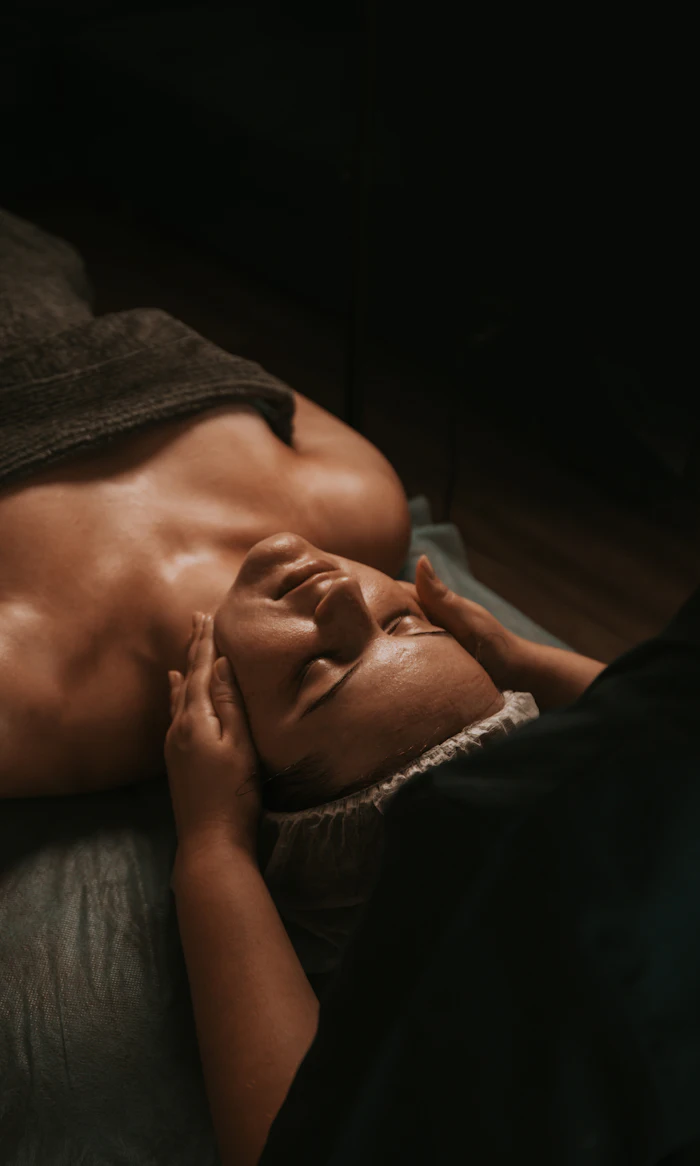
Step into any professional skincare treatment room, and you will immediately notice the atmosphere: dim lighting, calming aromas, and the soft hum of ambient music. For clients, this quiet space functions as a vital sanctuary where they can release the compounding pressures of daily life (Tennessee, n.d.-a). Yet behind the treatment table stands a professional bearing an unspoken, heavy emotional burden (Tennessee, n.d.-a). Beyond analyzing lipid barriers, treating stubborn acne, and performing advanced extractions, the modern esthetician operates at a high-touch, tactile intersection of manual labor, intense "emotional labor," and profound physical isolation (Tennessee, n.d.-b).
As the professional beauty and wellness industries lean further into holistic health, longevity, and whole-person care, emotional wellness has emerged as a critical pillar of professional practice (Tennessee, n.d.-a). However, a stark paradox sits at the heart of this evolution. While skincare professionals are highly trained to facilitate relaxation, stress reduction, and mindfulness for their clientele, they frequently neglect their own emotional well-being (Tennessee, n.d.-a). This persistent self-neglect has created an industry-wide crisis of chronic burnout, compassion fatigue, and premature career exits (Tennessee, n.d.-a). Truly caring for others requires an intentional, structured framework designed to protect the professional’s energy, physical stamina, and mental health (Tennessee, n.d.-a).
1. The Invisible Toll: Emotional Labor and the Burnout Paradox
What drives talented skincare professionals away from a career they love? The numbers tell a sobering story. Industry labor data from beauty and wellness trade associations highlight that beauty and skincare professionals experience chronic burnout at rates significantly higher than the general workforce — often tracking 40% to 50% higher, depending on employment structures and independent contractor status (Tennessee, n.d.-b). Furthermore, licensing data, tracking, and industry data suggest that a significant percentage of practitioners step away from hands-on skincare within their first few years in the industry, and only a small fraction are still practicing a decade later (Jodar, n.d.; Tennessee, n.d.-a).
This high rate of attrition is rarely due to a lack of talent; rather, it is a consequence of the intensive emotional labor inherent in the profession (Jodar, n.d.; Tennessee, n.d.-a). Estheticians frequently act as part therapist and part confidant, absorbing their clients' emotional stress and personal disclosures within the quiet, confined environment of the treatment room (Tennessee, n.d.-a, n.d.-b). This constant absorption drains emotional reserves, leading directly to "compassion fatigue," manifesting as emotional exhaustion, detachment, and depersonalization (Tennessee, n.d.-b).
Moreover, this psychological drain is inextricably linked to the physical wear and tear of hands-on labor (Tennessee, n.d.-b). The daily physical demands of the job — repetitive hand and wrist movements, long standing hours, and continuous hunching over treatment beds — feed into a practitioner’s emotional depletion (Jodar, n.d.; Tennessee, n.d.-b). Chronic physical pain lowers emotional resilience, creating a destructive feedback loop between bodily strain and mental stress (Tennessee, n.d.-b). To build a career that lasts, the industry must stop viewing burnout as an inevitable rite of passage and begin establishing firm, supportive guardrails (Jodar, n.d.; Tennessee, n.d.-a).
2. Reclaiming Your Space: The Three Operational Pillars of Practice Protection
"The industry's burnout rate isn't a talent problem. It's a guardrail problem," asserts Jill Jodar (n.d.), a licensed esthetician with over 27 years of hands-on experience and author of Skinthesis. Without clear operational structures, a phenomenon known as "boundary creep" gradually blurs the line between work and personal life (Jodar, n.d.). It happens one well-intentioned exception at a time: answering a client text message at 10 p.m., checking business emails on Sunday morning, or squeezing an appointment into the one hour carved out to recharge (Jodar, n.d.).
Over time, this lack of structure creates daily friction, drains energy, and directly impacts the practitioner's presence and the care they can offer their next client (Jodar, n.d.). Reclaiming professional space and building emotional sustainability requires intentional, structured design across three distinct operational pillars:
- Policies with Teeth: Practitioners must design unique operational policies that align with their specific business model, practice style, and peace of mind (Jodar, n.d.). Clear guidelines regarding cancellations, late arrivals, and no-shows bring immense emotional relief (Jodar, n.d.). Integrating these policies directly into booking flows and client consultation forms allows transparency to do the heavy lifting, saving the practitioner from repeatedly and awkwardly enforcing rules manually (Jodar, n.d.).
- Structured Communications: To protect personal peace, professionals must maintain a hard line of separation between work and personal life by using separate phone lines and email accounts for business (Jodar, n.d.). By setting distinct reachable hours, publishing them clearly in auto-replies, voicemail greetings, and booking confirmations, and — most importantly honoring them, practitioners train their clients to value and respect their professional time (Jodar, n.d.).
- Defensive Scheduling: Estheticians must build scheduling buffers into their calendars before they desperately need them (Jodar, n.d.). This means protecting transition times between clients, scheduling mandatory lunch breaks, setting a hard stop at the end of the day, and blocking out dedicated administrative hours to catch up on client notes and messages (Jodar, n.d.). As Jodar (n.d.) notes, if it isn't in the book, it will get consumed by work.
Establishing these boundaries is not selfish; it is a powerful practice-building tool (Jodar, n.d.). A practitioner who establishes firm guardrails and protects their time offers clients the most generous gift possible: a vibrant, centered, and emotionally resilient professional they can look forward to seeing for decades to come (Jodar, n.d.).
3. Moving Beyond the "Performance" of Wellness: Scope and Authenticity
As the spa and beauty sectors evolve toward longevity and whole-person wellness, the role of the practitioner is shifting from a purely technical service provider to a facilitator of overall well-being (Tennessee, n.d.-a). However, this evolution reveals a critical professional disconnect: wellness has easily become something professionals merely perform for their clientele rather than embody themselves (Baker, n.d.).
"We cannot facilitate wellness sustainably while continually practicing self-abandonment," explains Toshiana C. Baker (n.d.), a beauty and wellness executive and licensed esthetician. Far too often, practitioners encourage clients to slow down while frantically rushing through their own days (Baker, n.d.). They create pristine environments for others to exhale while carrying personal stress, grief and anxiety from appointment to appointment, and they glorify overbooked schedules while ignoring their own core physical and emotional needs (Baker, n.d.).
Embodying wellness does not require an esthetician to achieve a state of perpetual calm, happiness, or a flawless life (Baker, n.d.). Rather, true emotional well-being represents the capacity to recognize, understand, and responsibly tend to our own emotional state —and move through the full range of human emotions — without continually overriding our core needs (Baker, n.d.).
Furthermore, as the industry embraces a holistic, whole-person approach, professionals must respect and honor the boundaries of their professional scope of practice (Baker, n.d.). Understanding the nervous system does not transform an esthetician into a licensed psychotherapist, and creating a deeply restorative treatment does not mean we are treating a client's trauma (Baker, n.d.).
"We are not the healers," Baker (n.d.) emphasizes. Instead, the skincare professional's role is to thoughtfully create the conditions that support a client's own innate capacity for healing and well-being (Baker, n.d.). By utilizing appropriate touch, intentional sensory experiences, presence, breath, connection, and even silence, practitioners can establish a space where a client feels safe enough to reconnect with themselves, without the practitioner bearing the weight or responsibility of their healing (Baker, n.d.).
4. Somatic Reflections: The Mind-Skin Connection for the Practitioner
Skincare professionals are undisputed experts at educating clients on the mind-skin connection (Tennessee, n.d.-b). They readily explain how emotional stress triggers the nervous system, spikes cortisol levels, and creates a domino effect that triggers inflammatory skin conditions such as acne, eczema, and premature aging (Gonzales, n.d.; Tennessee, n.d.-b). Yet, a major credibility gap exists because practitioners rarely apply this science inward (Tennessee, n.d.-b).
Just as clients manifest psychological stress in their epidermis, estheticians frequently bear the somatic manifestations of chronic professional pressure (Tennessee, n.d.-b). This stress often shows up on the practitioner’s own body as adult breakouts, tension headaches, and jaw clenching from intense focus in the treatment room (Tennessee, n.d.-b). Estheticians must realize that cultivating emotional wellness is not a superficial luxury or a trend; it is an operational necessity (Tennessee, n.d.-b). A practitioner running on empty cannot authentically or effectively guide clients through holistic skin rejuvenation or stress-reduction rituals (Tennessee, n.d.-b).
For solo practitioners and suite renters, this somatic toll is amplified by the "Independent Provider Paradox" (Tennessee, n.d.-b). While solo practice offers creative and operational freedom, it introduces severe emotional hazards (Tennessee, n.d.-b). The heavy burden of sole ownership — handling marketing, financial management, sanitation, and client retention entirely alone — frequently leads to decision fatigue and intense emotional isolation (Tennessee, n.d.-b). This is further exacerbated by the constant pressure of social proof on digital platforms like Instagram and TikTok, which demand that modern professionals project flawless skin, flawless businesses, and continuous growth, creating profound performance anxiety and barriers to admitting when they are overwhelmed (Tennessee, n.d.-b).
To combat this isolation, establishing peer ecosystems — local or virtual networks where estheticians can connect and safely debrief without "holding space" for others — is an essential strategy for career longevity (Tennessee, n.d.-b). Ultimately, a practitioner's energy is their most valuable business asset; if they are emotionally depleted, the quality of the treatment and the client experience will drop proportionally (Tennessee, n.d.-b).
5. The Sensory Sanctuary: Regulating the Nervous System in the Treatment Room
Understanding the direct intersection between sensory processing and the nervous system is critical to addressing both client and practitioner wellness. "Emotional wellness reaches far beyond the mind. Emotional wellness is the core that allows or denies our bodies and our lives to thrive," states Genice Gonzales (n.d.), founder of Amora J Studios and creator of the Sensory Safe Society.
Gonzales’ clinical research in the treatment room, compiled over seven years in collaboration with neurologists, therapists, and medical specialists, reveals that when the sensory nervous system is triggered, cortisol spikes, causing immediate health and skin issues (Gonzales, n.d.). This insight led Gonzales (n.d.) to develop specialized, sensory-safe protocols to control emotional stressors in the treatment room. These sensory-informed protocols show that controlling physiological responses is achieved not by avoiding stressful situations, but by building mental resilience and "putting order in the disorder" (Gonzales, n.d.).
For skincare professionals, this translates into creating deeply customized client journeys that regulate sensory overwhelm (Gonzales, n.d.; Tennessee, n.d.-a). In practice, this means:
- Customizing Tactile Elements: Discerning whether an overwhelmed or neurodivergent client responds better to a warm towel or a soft, gentle sponge (Gonzales, n.d.).
- Adapting Verbal Cues: Choosing intentional, calming, and sensory-aware verbiage to communicate clearly during moments of sensory overload (Gonzales, n.d.).
- Reducing At-Home Overwhelm: Carving out simple, highly structured home-care routines that lower the stress of skincare maintenance for the client, transforming a source of tears and frustration into one of consistency and smiles (Gonzales, n.d.).
Applying these tools not only treats diverse populations, including neurodivergent individuals, veterans experiencing PTSD, and clients with OCD, ADHD, or sensory processing disorders (SPD), but also fosters deep empathy, safety, and wellness within the spa environment (Gonzales, n.d.).
6. Finding Equilibrium: Holistic Stamina Through an Ayurvedic Lens
To maintain the immense stamina required for long-term practice, ancient healing frameworks offer invaluable modern tools for self-awareness and daily rhythm. "Emotional well-being cannot be separated from physical well-being," notes Monique Blake (n.d.). Ayurveda, the ancient healing system of India, views health through a holistic lens where the body, mind, senses, spirit, environment, and daily habits continually influence one another (Blake, n.d.). Under this ancient lens, emotional health is defined not as the static absence of stress, but as our ongoing ability to remain connected to ourselves while navigating life's inevitable changes and challenges (Blake, n.d.).
According to Ayurvedic science, each individual has a unique constitution shaped by the three dynamic energies, or doshas: Vata, Pitta, and Kapha (Blake, n.d.). When balanced, these doshas express positive emotional qualities; when disturbed, they influence our emotional state in predictable ways (Blake, n.d.). For skincare professionals, understanding their own dominant doshas can prevent emotional burnout (Blake, n.d.):
- Vata (Air & Space): Associated with movement, adaptability, enthusiasm, and creativity (Blake, n.d.). A balanced Vata practitioner feels inspired and imaginative (Blake, n.d.). However, excessive Vata manifests as worry, nervousness, restlessness, and a scattered, ungrounded feeling (Blake, n.d.). This energy can be settled and grounded through warm, nourishing practices, stable daily routines, and ample rest (Blake, n.d.).
- Pitta (Fire & Water): Brings focus, intelligence, courage, and determination (Blake, n.d.). Balanced Pitta energy provides the motivation to turn creative ideas into clinical action (Blake, n.d.). When excessive, however, Pitta's intense heat manifests emotionally as irritability, impatience, hyper-criticism, and anger (Blake, n.d.). Pitta is softened and balanced through cooling activities, spending time in nature, practicing moderation, play, and cultivating compassion (Blake, n.d.).
- Kapha (Earth & Water): Brings stability, patience, compassion, and emotional endurance (Blake, n.d.). A balanced Kapha practitioner remains calm, steady, and supportive during difficult, stressful circumstances (Blake, n.d.). When Kapha is excessive, this stability hardens into heaviness, emotional stagnation, resistance to change, attachment, and withdrawal (Blake, n.d.). Kapha is restored and energized through physical movement, sensory stimulation, social connection, new experiences, and invigorating daily routines (Blake, n.d.).
To maintain personal equilibrium, Ayurveda emphasizes Dinacharya, or a daily routine aligned with the natural rhythms of nature (Blake, n.d.). Practicing consistent sleep patterns, appropriate movement, nourishing foods, meditation, breathwork, and self-massage are not complicated luxuries; they are fundamental tools for supporting a professional's emotional balance (Blake, n.d.). "Sometimes well-being begins by creating enough space to slow down and notice what we need," Blake (n.d.) suggests. By viewing emotions as informative signals rather than moral judgments, we can proactively choose practices that return us to equilibrium (Blake, n.d.).
Conclusion: The Future of Professional Skincare
Emotional wellness has transitioned from a nebulous, commercialized concept into an absolute operational necessity for the professional skincare, spa, and esthetics community (Tennessee, n.d.-a). As the industry continues to advance toward whole-person care and wellness longevity, the future of our profession relies less on what we can physically do to a client's skin and more on the intentional, safe environment we can create for their well-being (Baker, n.d.; Tennessee, n.d.-a).
By addressing the heavy psychological toll of emotional labor, establishing firm operational boundaries, rejecting the performance of wellness in favor of authentic self-care, and building supportive peer networks to combat isolation, estheticians can cultivate sustainable, lifelong careers (Tennessee, n.d.-a, n.d.-b). Protecting the practitioner's energy is not an act of self-absorption, but the ultimate foundation for delivering exceptional client care today, tomorrow, and for decades to come (Jodar, n.d.; Tennessee, n.d.-a).
About the Authors and Contributors
- Sherrie Tennessee, PhD (Lead Author), is a veteran wellness educator, author, researcher, and the founder of Spa SOS ([email protected]). She specializes in integrating professional development and emotional wellness strategies for spa professionals and skincare specialists.
- Toshiana C. Baker, LE (Contributor), is a beauty and wellness executive, licensed esthetician, and specialist in designing consumer-centric experiences and sales enablement.
- Monique Blake (Contributor), is a wellness educator, spa strategist, Ayurvedic practitioner of over 10 years, and holistic lifestyle designer with over two decades of executive spa experience.
- Genice Gonzales (Contributor), is a master esthetician, founder of Amora J Studios (Santa Fe Springs and Los Alamitos, CA), and the creator of the Sensory Safe Society.
- Jill Jodar, LE (Contributor), is a licensed esthetician with over 27 years in the treatment room, owner of Jill Jodar Advanced Skin Care in San Francisco, founder of Synthesis CX Consulting, and author of Skinthesis: The Esthetician's Guide to Mastering Client Experience and Management.
References
Baker, T. C. (n.d.). You can't perform wellness [Unpublished manuscript].
Blake, M. (n.d.). Emotional wellbeing from an Ayurvedic perspective [Unpublished manuscript].
Gonzales, G. (n.d.). Sensory safe skincare and the nervous system [Unpublished manuscript].
Jodar, J. (n.d.). Building an emotionally sustainable practice [Unpublished manuscript].
Tennessee, S. (n.d.-a). The heart of the treatment room: Emotional wellness as the new foundation of professional skincare [Unpublished manuscript].
Tennessee, S. (n.d.-b). Addressing emotional wellness for skincare professionals [Unpublished manuscript].