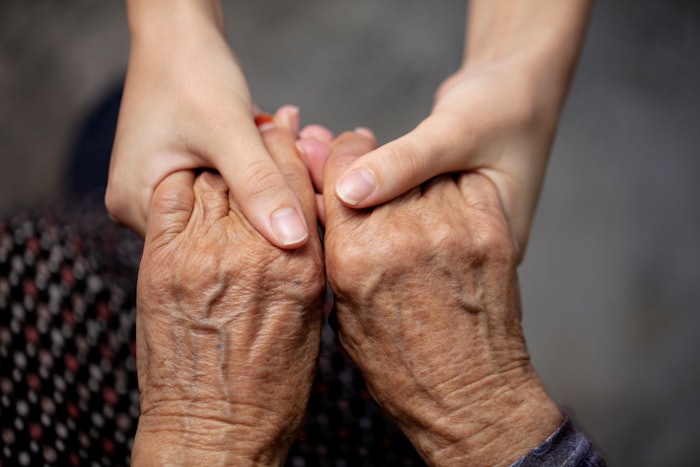
Choosing comfort, dignity and meaning at the end of life is one of the most human decisions a person or family can make. Hospice care often becomes part of that decision, shifting the focus from medical intervention to support that honors the whole person. Many people are surprised to learn how much depth, comfort and clarity this stage of care can offer, especially when holistic practices play a role.
In this article, you’ll learn how hospice works, why holistic healing practices matter, what lessons we can carry into everyday caregiving and how families can evaluate their options with confidence.
When families understand the purpose of hospice, the path forward becomes clearer. Moving beyond the clinic means finding comfort for the body, peace for the mind and purpose for the spirit—even in difficult moments.
Understanding Hospice Care: Foundations and Philosophy
What is hospice care?
Hospice focuses on providing comfort, symptom relief, emotional support and spiritual guidance for individuals nearing the end of life. Instead of medical treatments meant to cure an illness, this approach centers on the person’s quality of life and sense of control. A typical team may include nurses, doctors, social workers, aides and counselors who work together to address physical and emotional needs.
People often ask what “comfort” really means in this setting. It includes pain management, steady communication, emotional support for families and creating space for meaningful choices. This care model helps people live with dignity and clarity, even when time is limited.
Eligibility, setting and scope
Eligibility often depends on a doctor’s assessment that a person may have six months or less to live if the illness follows its usual course. Services may be provided at home, in a residential facility or in an inpatient unit.
Common support includes:
- Pain and symptom relief
- Personal care assistance
- Spiritual guidance
- Bereavement support for families
According to the World Health Organization, an estimated 56.8 million people each year need palliative-style support, including many in their final year of life. This highlights the global importance of accessible, compassionate services.
The Holistic Turn: Catering to Body, Mind, Spirit
Why holistic matters in hospice
Holistic care looks at the whole person rather than just their symptoms. This approach acknowledges emotional, social and spiritual needs, which can be just as pressing as physical discomfort.
People often feel calmer and more grounded when all parts of their well-being are addressed. This may reduce distress, improve comfort and create more meaningful moments for families.
Holistic support may include massage, aromatherapy, music therapy, art activities, pet visits or gentle energy-based practices. These therapies are not intended to replace clinical care; instead, they work in conjunction with it to bring peace, comfort and expression.
Integrative therapies and practical applications
Some approaches commonly used in hospice include:
- Massage or healing touch for relaxation and relief
- Aromatherapy to support calm or recall comforting memories
- Music and art therapy to help with expression and emotional processing
- Pet visits for warmth, comfort and reduced loneliness
Studies on complementary therapies in hospice show reductions in anxiety and improvements in emotional well-being. When people feel seen and supported in multiple ways, they often experience a deeper sense of peace.
Lessons from Holistic Hospice Practices That Apply Beyond the Clinic
Personalized care plans rooted in dignity and choice
Holistic hospice emphasizes individual preferences. This includes honoring personal values, cultural practices or quiet rituals that matter.
Even small choices—a favorite activity, meaningful music or a preferred setting—help reinforce dignity.
Key lessons include:
- Respect autonomy and preferences
- Encourage life-review activities such as journaling
- Involve family members in supportive roles
These practices can guide everyday caregiving, helping families create meaningful routines during challenging times.
Communication, connection and meaning-making
Open conversations help reduce fear and bring clarity. Honest dialogue about hopes, concerns or final wishes strengthens trust and connection. Emotional and spiritual support helps people find meaning in life’s final chapter.
Simple practices that support this include:
- Regular check-ins to discuss comfort and concerns
- Quiet moments of presence
- Volunteer companionship
- Opportunities to reflect on memories or values
These steps help ease isolation and create closeness during an emotional time.
Measuring quality beyond clinical metrics
Quality of care goes beyond symptom charts. Holistic frameworks emphasize well-being, dignity, comfort and personal meaning.
Tools such as the PEPSI COLA model encourage caregivers to look at multiple dimensions: physical, emotional, social, cultural and more. This approach highlights the person behind the illness.
Practical Steps for Families and Caregivers Navigating Hospice Care
How to start the conversation and evaluate options
Families often wonder how to know when hospice may be appropriate. A shift from “curing” to “comfort” is often a signal.
When exploring providers, considerations include:
- What services are offered
- Availability during evenings or emergencies
- Holistic therapy options
- Support for caregivers and families
Questions they might have include: Who provides the care? What support is available at home? How is emotional or spiritual care handled?
Supporting loved ones and supporting yourself
Caregivers play a central role. Small, meaningful activities can make a big difference, such as listening to favorite music or helping with memory-sharing projects. Maintaining open dialogue helps address emotional needs and strengthens trust.
Equally important is caregiver well-being. Rest, peer support and counseling are vital tools. When caregivers feel supported, the whole family benefits. Research shows that addressing emotional and spiritual needs can help reduce physical distress, making holistic support an essential part of care.
Future Trends: Holistic Hospice Care in a Changing Landscape
Hospice models are expanding as populations age and chronic illnesses rise. Many regions are exploring ways to integrate cultural practices, community programs and whole-person approaches.
Emerging trends include tele-visits, virtual spiritual guidance, volunteer networks and expanded home-based care. Integrative therapies are also becoming more common, supporting comfort and expression in accessible ways.
These shifts reflect a broader understanding that end-of-life support must evolve as families and communities change.
FAQ
What is the difference between hospice care and palliative care?
Palliative care can begin at any stage of illness and may be combined with curative treatment. Hospice focuses on comfort rather than cure and is generally reserved for people nearing end of life.
Who is eligible for hospice care and how is it funded?
Eligibility usually requires a prognosis of six months or less if the illness follows its typical course. Many insurance plans, including public programs, may cover hospice services.
Can holistic therapies really make a difference in hospice care?
Studies show that therapies such as massage, aromatherapy and music therapy can help with relaxation, expression and emotional comfort.
How can families prepare emotionally and spiritually when a loved one transitions into hospice care?
Open conversations, supportive rituals, counseling and regular family check-ins can help ease the emotional weight of this transition.
What questions should families ask when selecting a hospice care provider?
Consider asking about available services, after-hours support, holistic options, and educational resources for caregivers.
Conclusion
Hospice care represents a shift from treatment to comfort, from urgency to intention. It is a journey shaped by dignity, personal choice and connection. Holistic practices add depth to this journey by addressing emotional, spiritual and relational needs.
Families who explore these options often find clarity and meaning even during difficult times. Reflecting on values, having open conversations and learning about end-of-life options can help guide compassionate decisions. In the end, the focus is simple: respect, comfort and care for the whole person.