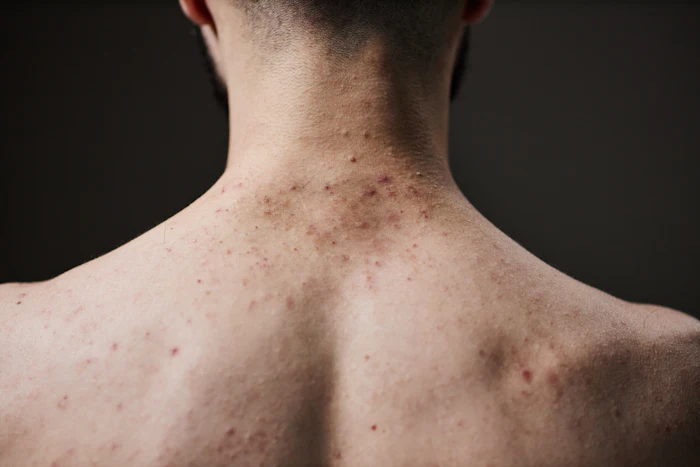
Working with acne clients is a core part of professional esthetics. For many of us, it’s also personal. My own experience with cystic acne and PCOS is what brought me into this field, and after nearly three decades treating acne across solo practice, spa and medically aligned environments, one thing is clear: acne is never simple.
It demands critical thinking, strong analysis and true personalization. This is where estheticians excel. It’s also exactly why acne now sits in a more sensitive regulatory space than ever before.
Acne is rarely just one issue. Hormones, barrier function, home care, medications, inflammation, pigment response, lifestyle and treatment tolerance all show up at once. That complexity is what makes us valuable. It’s also what requires us to be more precise, clinically and legally, than we’ve ever been.
What’s Changing in Acne Care
We’re seeing continued expansion in acne research. Topicals, microbiome-focused approaches, device-based treatments and scar revision all continue to evolve. Our clients are better educated and looking at how their entire lifestyle impacts their acne, bringing the whole “wellness” approach to acne care.
Core OTC ingredients like benzoyl peroxide, salicylic acid, and adapalene remain foundational. At the same time, we’re seeing more interest in combination retinoids, microbiome modulation and energy-based technologies.
Here’s the reality, though: innovation doesn’t equal access.
Many of the modalities clients ask for, things like microneedling, lasers, non-invasive devices, and aggressive resurfacing, may sit outside the esthetic scope depending on your state. Demand is increasing, but so is scrutiny. If you’re not evaluating every modality through a regulatory lens first, you’re exposed.
Acne at the Fault Line Between Beauty and Medicine
Acne lives right at the intersection of beauty and medicine.
Medically, it’s a chronic inflammatory disease of the pilosebaceous unit. In practice, much of the consistent, day-to-day support happens with us, through cleansing, exfoliation (where appropriate), extractions (where allowed), barrier repair and ongoing client coaching.
The legal line matters.
Under federal law, cosmetics are intended to cleanse or improve appearance. Drugs are intended to treat or prevent disease or affect the structure or function of the body. Because acne is a disease, language like “treat” or “clear acne” can shift what you’re doing into drug territory.
Most state esthetics licenses authorize cosmetic services, not medical diagnosis or treatment. That creates the gray zone we’re all operating in: we can improve the appearance of acne and support skin health, but our language, intent and claims must stay within cosmetic scope.
This isn’t semantics. It’s compliance.
New Regulatory Pressure You Can’t Ignore
MoCRA (Modernization of Cosmetics Regulation Act) changed the landscape. It introduced:
- Facility registration
- Product listing
- Safety substantiation requirements
- Adverse event reporting
- Expanded FDA oversight
While this primarily applies to manufacturers, it directly impacts the products we use and recommend.
What this means in practice:
You should expect better documentation from your vendors. Safety data, ingredient transparency and clear adverse-event protocols are required. If something goes wrong with a product, there is now a more formal regulatory trail.
We’re also seeing increased scrutiny on ingredients. The benzene concerns tied to benzoyl peroxide products are a good example. Even long-standing ingredients can become compliance and trust issues overnight. Staying informed is more important now than ever; misinformation has now become a professional liability.
State Scope can Shift Fast
States are actively revisiting esthetic scope, especially around devices and advanced procedures.
If you want to understand how quickly scope can shift, look at New York.
New York’s medical board has recently implemented a regulatory ruling that just prohibited supervision for device use such as lasers. With one board decision, thousands of Med Spa owners, estheticians working in the field and their clients have been adversely effected.
This creates a moving target.
A service that is:
- In a grey area or allowed today can be prohibited tomorrow.
This is exactly where practitioners get into trouble and where our clients get hurt. Acne treatment requires consistency and, quite frankly, can be very expensive. We are essential to true skin health coaching care.
In acne specifically, this shows up with modalities like:
- Microneedling
- Energy-based devices
- Advanced resurfacing
These are often the most in-demand treatments for acne and acne scarring and the most legally complex.
Every acne-focused service or device needs to be evaluated against your state law first. Not what you saw at a show, not what a brand trained you on and not what another state allows.
The Vendor Certification Trap
Brand certifications are everywhere in our industry. This is not a bad thing, they can be useful educationally, but they do not change your legal scope. Only your state does.
The issue isn’t the education, it’s how it gets marketed.
When language like “acne expert” or “treating all grades of acne” shows up in your messaging, you’re stepping into territory that can imply medical authority. That’s where risk starts to build.
A cleaner, more defensible approach:
- Be specific.
- Describe the training.
- Name the protocol.
- Do not imply that a vendor certification expands your license.
Referral Call-Out: When Acne Moves Beyond Esthetic Management
Estheticians don’t need to diagnose to recognize when a case is outside cosmetic management. Knowing when to refer is one of the strongest markers of professionalism and it protects both your client and your license.
Refer to a licensed medical provider when you see:
Moderate to severe inflammatory acne (widespread papules, pustules, nodules, cysts)
Nodulocystic (Grade 3-4) acne
Acne not responding to consistent topical care within a reasonable timeframe
Signs of infection, open lesions, or compromised skin integrity beyond safe treatment
Sudden onset or severe flare patterns that may indicate hormonal or systemic involvement
Suspected medication-induced acne or complex medical history (e.g., endocrine disorders, PCOS, Diabetes)
Clients requesting or requiring prescription-level intervention (oral antibiotics, isotretinoin, hormonal therapy)
Post-inflammatory hyperpigmentation or scarring requiring modalities outside your scope
Why referral matters:
Protects client safety
Prevents treatment delays that worsen outcomes
Keeps your services within scope
Positions you as part of a professional care team, not in conflict with it
Done correctly, referral doesn’t lose the client. It strengthens trust and often brings them back to you for long-term skin management.
A Smarter Path Forward
Estheticians are still essential in acne care. In many cases, we provide the consistency and touchpoint that medical settings don’t.
Within scope, we can:
- Support barrier health
- Deliver appropriate, compliant treatments
- Improve home care adherence
- Track progress over time
- Recognize when escalation is needed
The opportunity is still there, but it requires more precision.
That means:
- Tightening your language
- Understanding cosmetic vs. drug distinctions
- Vetting vendors beyond marketing
- Staying current on state scope
- Building strong referral relationships
Acne has always required more from us than a standard treatment protocol. Now it also requires sharper legal awareness.
If you can combine strong analysis with disciplined language, compliant services, and timely referral, you don’t just protect yourself, you elevate the profession.
References
- FDA. Acne Vulgaris: Establishing Effectiveness of Drugs Intended for Treatment. Guidance for Industry. 2020.
- Baker Botts. Cosmetics Industry Regulatory Challenges Accelerate. 2025.
- Clarkston Consulting. Quality Regulations in the Beauty Industry: Impact of MoCRA. 2025.
- Arizona Barbering and Cosmetology Board. Scope of Practice Substantive Policy Statement. 2024.
- South Carolina General Assembly. Bill 539: Advanced Estheticians. 2025–2026 Session.
- American Med Spa Association. New York Bill to Allow Estheticians to Microneedle. 2025.
- JDD. Practical Algorithm for Acne Treatment Integrating Skincare and Energy-Based Devices. 2026.
- JCAD. A 7-Week Open-Label Study Evaluating the Efficacy and Safety of an LED Mask for Facial Acne.
- Mass General Brigham. At-Home LED Devices for Acne Treatment Are Safe and Effective. JAMA Dermatology press release, 2025.
- Skin Inc. Navigating Your Scope of Practice. 2024.