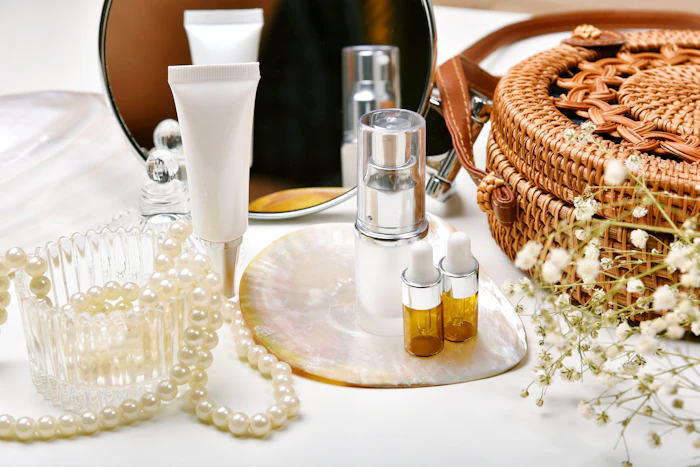
Luxury skincare has evolved far beyond ornate packaging, prestige pricing, and a beautiful jar on the vanity. Today’s most discerning consumers are asking deeper questions. What is inside the formula? How does it feel on the skin? What is intentionally left out? Does the ritual create a sense of pleasure, confidence and care? And perhaps most importantly, does the product deliver an experience that feels both effective and emotionally satisfying?
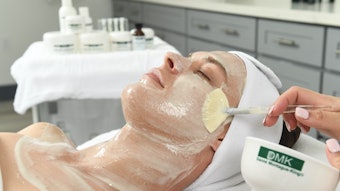
In modern luxury skincare, performance and pleasure are no longer separate categories. The most compelling formulas are those that combine meaningful ingredients with an elevated sensorial experience —texture, fragrance, finish and the way the product makes a client feel in her body. This is especially important in professional spa, wellness and aesthetic environments, where skincare is not simply transactional. It is part of a ritual of restoration.
Ingredient Integrity as the Foundation of Luxury
Today’s luxury client is highly educated. She may not know every International Nomenclature of Cosmetic Ingredient (INCI) name, but she is more aware than ever of ingredient quality, sourcing and function. She wants formulas that feel indulgent, but she also wants to understand why they are worth the investment.
Luxury skincare begins with ingredients that serve a purpose. This may include antioxidant-rich botanicals, barrier-supportive lipids, peptides, vitamins, ceramides, fermented ingredients, marine actives or plant oils rich in essential fatty acids. The goal is not to create the longest ingredient list possible, but to create a balanced formula where each ingredient contributes to skin health, visible radiance, texture, hydration, resilience, or overall skin vitality.
In the professional space, this distinction matters. Clients are increasingly looking for products that support the appearance and feel of healthy skin over time, not just provide temporary softness. A beautifully formulated cream, serum or balm should do more than sit on the surface. It should support the skin barrier, improve the feel of dryness or roughness, enhance luminosity and make the skin look and feel better with consistent use.
This is where ingredient storytelling becomes powerful. A formula with red raspberry seed oil, for example, offers a more meaningful story than “moisturizing oil.” A peptide complex sounds more advanced when connected to the appearance of firmness, smoothness, or rejuvenation. Antioxidants such as astaxanthin, CoQ10, vitamin C derivatives, botanical extracts and nutrient-dense oils can be positioned around environmental defense, radiance, and graceful aging. Luxury clients want beauty, but they also want intelligence.
Texture: The Silent Salesperson
Texture is one of the most important, and often underestimated, parts of a luxury skincare product. A product can have exceptional ingredients, but if the texture is sticky, thin, greasy, chalky, or unpleasant, the client will not reach for it consistently. A luxurious texture creates desire. It turns application into a ritual.
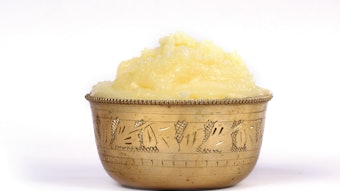
Texture communicates quality immediately. A rich cream that melts into the skin, a silky serum that glides without pilling, a balm that cushions without heaviness — these experiences create an emotional response before the client has even evaluated long-term results. In a treatment room or retail setting, texture often sells the product before the ingredient list is discussed.
For spa professionals and aestheticians, this matters because clients are more likely to use products they enjoy. Compliance is not only driven by education; it is driven by pleasure. If a product feels beautiful, smells elegant, absorbs gracefully, and leaves the skin looking luminous, the client is much more likely to incorporate it into a daily ritual.
Finish is part of this equation. Some clients want a matte finish, while others want a healthy glow. In luxury skincare, the ideal finish often depends on the product category and intended use. A body cream, for example, may benefit from leaving the skin soft, supple, and subtly radiant without feeling greasy. A face serum should layer well under other products. A post-treatment moisturizer should comfort the skin without overwhelming it. The finish should align with the lifestyle of the client.
Fragrance and the Emotional Dimension of Skincare
Fragrance can be polarizing, but in luxury skincare, it remains one of the most powerful components of the sensorial experience. Scent is deeply tied to memory, emotion and identity. A well-composed fragrance can make a product feel comforting, sensual, elegant, fresh, nostalgic or indulgent.
The modern luxury consumer, however, is more selective. She may still want a beautiful scent, but she does not want it at the expense of perceived safety, comfort or skin compatibility. This is why fragrance transparency has become increasingly important. Brands are being asked not only what a product smells like, but what type of fragrance is used and what is excluded.
For some brands, this may mean essential oils. For others, it may mean carefully selected phthalate-free fragrance. Some products may be fragrance-free entirely, especially for sensitive or post-procedure skin. The key is intentionality. Fragrance should never be an afterthought. It should be selected with the same care as the active ingredients, emulsifiers, preservatives and packaging.
A luxurious scent should complement the formula and enhance the ritual. It should invite the client to pause. In a world of rushed routines and constant stress, skincare can become a small but meaningful daily moment of reconnection.
What Is Left Out Matters
Luxury is also defined by restraint. Increasingly, consumers want to know what a product does not contain. The “free-from” conversation has evolved from a marketing trend into a core part of brand trust.
Many clients are looking to avoid ingredients such as phthalates, certain endocrine-disrupting compounds, Polyethylene Glycol (PEG), synthetic silicones, parabens, harsh surfactants, drying alcohols, artificial dyes, or other ingredients they perceive as unnecessary or misaligned with their wellness values. Not every “free-from” claim is equally meaningful, and professionals should be cautious about fear-based marketing. However, thoughtful exclusion can be an important part of luxury positioning when it reflects a genuine formulation philosophy.
The most sophisticated brands do not simply remove ingredients to follow trends. They formulate with purpose. They ask: Can we create a beautiful texture without this ingredient? Can we achieve slip, cushion, preservation, stability or fragrance in a way that aligns with our values? Can we make the product feel indulgent without compromising the standards of a wellness-oriented consumer?
This approach requires more effort. It may be more expensive. It may take longer to formulate, but that is part of what makes it luxury.
Luxury Is How the Product Makes You Feel
Perhaps the most overlooked aspect of luxury skincare is emotion. A truly luxurious product should make the client feel cared for. It should make her feel polished, radiant, sensual, confident and connected to herself.
This emotional dimension is especially relevant in body care, a category that has historically been treated as less sophisticated than facial skincare. Consumers are beginning to expect more from body products. They want face-grade ingredients, elegant textures and formulas that support the appearance of smoother, more resilient, more luminous skin. The body care category is moving beyond basic hydration into a more elevated conversation around skin health, aging, confidence and ritual.
For spas, med spas and luxury retailers, this creates an opportunity. Clients already invest in advanced facial treatments and high-performance home care, but many are underserved when it comes to the skin on the body. A luxury body product can become more than an add-on. It can become part of a complete skin wellness philosophy.
The Future of Luxury Skincare
The future of luxury skincare will belong to brands that understand the intersection of science, safety, sensuality and storytelling. It will not be enough for a product to be beautiful. It must be thoughtfully formulated. It must feel exquisite. It must align with the values of the modern wellness consumer. And, it must create a ritual that clients genuinely look forward to repeating.
Luxury is no longer only about what a product costs. It is about the quality of the ingredients, the sophistication of the texture, the elegance of the fragrance, the intelligence of the formulation, the integrity of what is left out and the emotional experience it creates.
The best luxury skincare does more than moisturize. It transforms a daily routine into a moment of beauty, care, and connection.