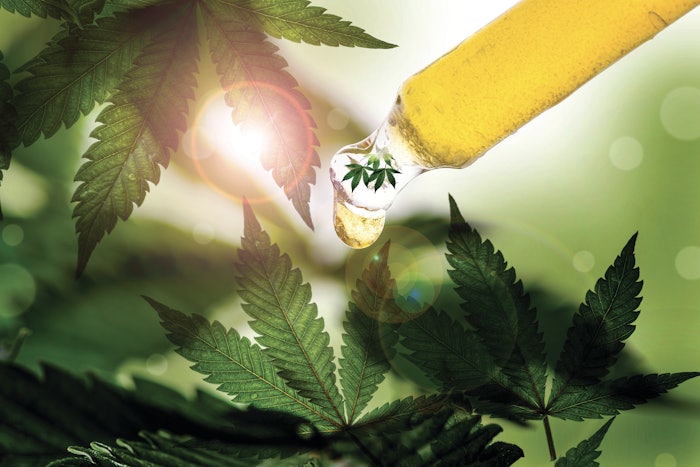
Hemp is a popular ingredient choice for those looking for “natural” or “clean” beauty, appealing to the eco-conscious consumer who may want to avoid synthetics. Growing consumer awareness has led to the mass search for gentle, transparent ingredients that don’t hide anything in a sea of befuddling consonants like your -parabens,-eths, -siloxanes and what have you.
“Hemp-derived ingredients have become especially appealing to today’s consumer because they align with the ‘natural, functional’ expectation—people want products that feel clean and plant-based, but still deliver visible results,” explains Tammy Pahel, VP of spa & wellness operations at Carillon Miami Wellness Resort. “In spa, we see hemp positioned most successfully when it’s paired with clear benefits like soothing stressed skin and supporting a healthy-looking barrier.”
It isn’t just a matter of ease and trust though; hemp is actually widely revered in skin care for its moisturizing properties, as well as its anti-inflammatory and longevity benefits.
“Hemp-derived ingredients give skin a rare one-two punch: the oil is rich in balanced essential fatty acids that help rebuild a healthy barrier, while the plant’s natural compounds can calm inflammation and reduce oxidative stress,” says Rebecca Gadberry, LE, FSCC and director of product development & education, YG Labs. “This combination helps skin stay better hydrated, less reactive and more resilient over time.”
Hemp and omega-6
The core of hemp’s benefits lie in its barrier-loving fatty acids, particularly omega-6, that help fortify the foundation for healthy skin.
Gadberry adds: “Omega-6 itself is not rare in the plant world, but hemp is unusually rich in the omega-6 form linoleic acid and related fats in a ratio that closely matches what skin needs for a healthy barrier. Many seed oils contain omega-6, yet hemp seed oil stands out because it combines high linoleic acid with a favorable balance of omega-3 and small amounts of gamma-linolenic acid, which together support barrier repair and help calm inflammation.”
Who benefits from hemp?
Winter is a great opportunity to put hemp to use.
“Dry indoor heating, cold wind and reduced humidity compromise the barrier. Hemp’s essential fatty acids (omega-3 and omega-6), paired with its calming properties, help relieve flaking, tightness and redness.,” comments Nansy Mui, founder of Barefoot Sunday. “It’s a great ‘reset’ after harsher weather exposure.”
Even outside of the cold, harsh months, hemp is an ingredient worth keeping an eye on.
“On skin, omega-6/linoleic acid is especially helpful for dry, barrier-damaged, sensitive or eczema-prone skin, where it restores lipids, reduces transepidermal water loss and soothes redness,” adds Gadberry. “It is also well suited to oily and acne-prone skin, because linoleic acid is lightweight, supports ceramide production, and has been associated with fewer clogged pores and better barrier function in acne-prone populations.”
Mui advises: “While acne clients often fear moisturizers, hemp-based CBD is a smart, non-comedogenic middle ground. It helps reduce inflammation surrounding active breakouts, regulate sebum and oil production, support healing without clogging pores and prevent rebound oiliness from over-drying.”
For estheticians, Mui says that adding a hemp-based moisturizer can reduce post-extraction irritation and support clearer, calmer skin over time.
Julie Williams, founder and medical herbalist at Leaf People, goes on to say, “Products utilizing hemp oil provide essential fatty acids that deeply hydrate and help balance surface oils without clogging pores, along with vitamin E and naturally occurring minerals that replenish and support a stronger, more radiant-looking skin barrier. With its inherent calming and sebum-balancing properties, hemp oil is an excellent choice for clients with dry or combination skin types, any type of visible redness or mild skin irritations.”
It’s not just about what you use in the treatment room or what you retail either.
Pahel notes: “One of the biggest opportunities with hemp is consumer education. ‘Hemp’ can mean different things on a label—hemp seed oil versus CBD, for example—so it’s important that brands set realistic expectations and clearly communicate sourcing and intended benefits.”