The landscape of the esthetic industry is undergoing a profound transformation as we move through 2026, evolving far beyond the traditional focus on topical correction. Today, the treatment room is being reimagined as a nervous system sanctuary, a space where skin health is recognized as being inextricably linked to psychological well-being. This shift is driven by a growing understanding that the skin acts as a direct mirror of the nervous system. Modern clients are no longer just seeking a quick escape; clients are increasingly asking how their spa experiences will support their nervous system and overall mental health. To meet this demand, estheticians must bridge the gap between biological science and somatic practice.
The Science of Stress and the Skin Barrier
To understand the importance of this shift, we must examine the physiological effects of stress on dermal health. Research confirms that systemic psychological stress directly impairs the skin’s barrier function. This occurs because stress increases the production of local cortisol within the skin’s own cells. Specifically, psychological stress significantly elevates 11ß-HSD1 enzyme levels in the skin, which convert inactive cortisone into active cortisol. This local cortisol release is a primary culprit in compromised skin barrier function and heightened skin sensitivity.
When a client enters a treatment room in a fight-or-flight state, their skin becomes physiologically prone to increased transepidermal water loss (TEWL) and impaired keratinocyte differentiation. Consequently, a facial is no longer just about the products used; it is a biological reset intended to down-regulate the stress response and restore cellular health. By integrating mindfulness and relaxation techniques, practitioners can effectively interrupt these stress-induced changes at the source. This scientific reality elevates the esthetician's role from a beauty provider to a critical partner in the client's physiological regulation.
Mindfulness: The Human Art of Returning to the Self
Mindfulness in the esthetic setting is often misunderstood as an elaborate routine or a state of endless calm. With twenty years of experience in the wellness industry as a massage therapist, educator, and owner of Omaha Massage and Healing Arts, Tara Zin creates spaces centered on healing, restoration, and whole-body well-being while guiding others toward self-discovery, sustainable self-care, and a deeper connection to the self through mindfulness and embodied healing practices. Tara explained that mindfulness is often misunderstood as something reserved for quiet mornings, perfect routines, or people who seem endlessly calm. In reality, mindfulness is the practice of returning to the self and the body in small, intentional ways throughout the day. In a world that constantly pulls attention outward, mindfulness invites a person back inward to notice what is happening within the body, the breath, and the nervous system before rushing to fix, numb, or avoid a sensation.
Clients often carry subtle stress signals that manifest physically. These might include tight shoulders, a clenched jaw, shallow breathing, a racing heart, or even a feeling of heaviness in the chest. Some clients may experience stomach tension, restlessness, or a persistent urge to shut down. These signals are the body’s way of asking for attention, care, and a pause. By integrating mindfulness, practitioners can help clients move through these stress patterns with greater awareness and compassion. Relaxation does not always come from emptying the mind; often, it simply comes from reconnecting with the body.
The Power of Dermal Co-Regulation
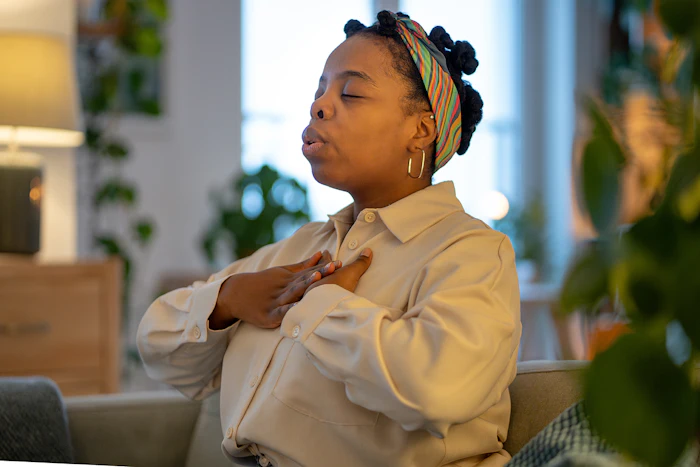
One of the most potent tools an esthetician possesses is the ability to facilitate co-regulation. This is the process by which a calm, grounded practitioner helps a client’s nervous system shift from a state of high alert into a parasympathetic rest-and-digest state. This process begins before the treatment even starts. Through intentional grounding, practitioners are encouraged to take a 60-second intentional pause before beginning a service. By practicing deep, rhythmic breathing, the esthetician sets a calm energy for the room that the client’s nervous system can naturally mirror.
This mirroring is a biological response that signals safety to the brain, allowing the client to let their guard down. Without this initial grounding, a practitioner may inadvertently transfer their own hurried energy to the client, negating the therapeutic benefits of the treatment. Co-regulation is an active partnership in which the practitioner’s state of being serves as the foundation for the client’s healing journey. It turns the treatment room into a sanctuary where the pace of life slows down enough for the body to begin its natural repair processes.
Practical Somatic Techniques for the Treatment Room
Integrating somatic practices into a facial does not require an overhaul of your protocol; it simply requires intentionality. One of the most effective ways to signal safety is through breath-aligned application. This involves coordinating product application with the client’s breathing, applying product on the inhale, and performing massage strokes on a slow, elongated exhale. This simple cue prompts the client to pace their breathing, the fastest way to stabilize the nervous system.
Another accessible technique is box breathing, which involves inhaling for a count of four, holding for four, exhaling for four, and pausing at the bottom for four. Even one minute of this practice can interrupt stress patterns and create space for mental clarity. During periods of wait time, such as when a mask is setting, practitioners can utilize somatic anchoring. This guides the client to focus on a single physical sensation, such as the weight of a warm towel or the specific texture of a product. These anchors pull the client out of the mental chatter of their daily lives and ground them in the present moment.
Sensory grounding is also highly effective when anxiety or overwhelm begins to build. Gently bringing awareness to what a client can hear, smell, or touch can help anchor them. Furthermore, movement can be a form of mindfulness. Gentle stretching, swaying, or even placing a hand over the heart can help release tension that a client may not even realize they are carrying in their jaw, shoulders, hips, or stomach. These intentional moments of release allow the body to soften and respond quickly to the care being provided.
The Practitioner’s Own Sanctuary
It is essential to remember that the benefits of these practices extend to the service provider as well. The nervous system is constantly responding to the pace of our lives, and as practitioners, we cannot give from an empty cup. Relaxation is not laziness, and rest is not unproductive. When we create moments to slow down and reconnect with ourselves, we set ourselves up to provide care from a more grounded and powerful place.
Practicing mindfulness is not about perfection or meeting another standard; it is a relationship built over time. Some days it may look like a full meditation, while other days it is simply taking a deep breath before reacting to a stressful situation, stepping outside for fresh air, or allowing yourself a few quiet moments without stimulation. By consistently practicing these techniques, estheticians can improve their own emotional regulation, sleep, and focus, ensuring their longevity in a demanding field. Small moments of stillness matter more than we often realize, both for the guest and for the provider.
The Results: A Lasting Biological Glow
The shift toward nervous system regulation yields measurable results that surface-level treatments cannot match. Mindfulness-based stress reduction (MBSR) techniques, when paired with professional spa therapies, have been shown to reduce markers of anxiety. This creates a deeper and more lasting glow that stems from genuine cellular health rather than just temporary hydration. When the body is in a parasympathetic state, its ability to repair and regenerate is maximized, leading to better long-term outcomes for skin barrier health and sensitivity.
By positioning your practice as a form of preventative mental health support, you align with 2026 consumer trends that prioritize recovery and recharge. Locations that embrace this nervous system sanctuary model see higher client retention because offering a profound biological and emotional reset that clients cannot find elsewhere. In conclusion, the future of skincare lies in the delicate dance between advanced science and the human art of returning to the self. By understanding the impact of cortisol on the skin barrier and mastering the art of co-regulation, estheticians can provide a level of healing that transcends the epidermis, touching the very core of the client’s well-being.