Mindfulness within the esthetic treatment room extends far beyond the application of products and execution of technique. It represents a comprehensive, intentional approach to care, one that considers not only the condition of the skin, but the experience of the individual. In a professional setting, mindfulness is expressed through attention to detail, awareness of client needs, and the ability to create an environment that supports both physical and emotional comfort. This level of care distinguishes a standard service from an elevated, results driven experience.
A foundational element of mindful practice begins before the client enters the treatment room. The health history form serves not only as a clinical requirement, but as a guide for personalization. Information regarding sensitivities, allergies, medical conditions, stress levels, personal preferences and lifestyle habits provides insight into how the client may respond to both treatment and environment. A thoughtful esthetician uses this information to adjust not only product selection, but also external factors such as fragrance, temperature, lighting, and overall atmosphere. This level of awareness ensures that each client feels considered, safe, and supported from the beginning of their experience.
The physical environment of the treatment room plays a critical role in shaping perception and comfort. A calm, peaceful setting should be intentionally curated, beginning with color selection. Neutral tones, soft hues, and minimal visual clutter help reduce stimulation and encourage relaxation. Lighting should be adaptable, offering both functional brightness for treatment accuracy and softer ambient lighting to support moments of rest and recovery during the service.
Fragrance should be approached with care and intention. While scent can enhance the experience, it must remain subtle and appropriate for each individual. Clients with sensitivities, respiratory concerns, or those undergoing medical treatments may require a fragrance-free environment. A mindful esthetician understands that scent is not a necessity, but an option that should always align with the client’s needs.
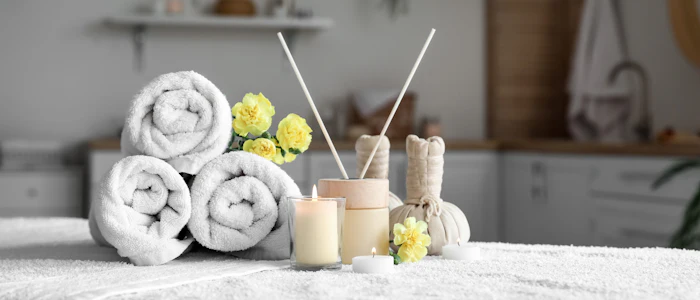
Equally important are the tactile elements within the room. High quality linens, soft towels, and well maintained bedding contribute to a sense of luxury and professionalism. Heated beds or blankets can enhance relaxation, while fans or adjustable temperature controls allow for individualized comfort. These details communicate a level of care that clients can both feel and appreciate.
Attention to physical support within the treatment space further enhances the experience. Bolsters, pillows, stools, ergonomic positioning beds and tools ensure that the client remains comfortable throughout the duration of the service. Providing thoughtful additions such as clothing hooks, designated storage areas for personal belongings, and easily accessible surfaces helps maintain organization and ease. For clients with specific needs, such as those undergoing oncology treatments, offering accommodations like wig stands and additional privacy elements reflects a deeper level of empathy and understanding.
Sound is a critical yet often underestimated component of the treatment room. A mindful environment prioritizes minimal background noise and low external disruption. Traffic sounds, hallway conversations, or equipment noise can interrupt relaxation and reduce the overall quality of the experience. Efforts should be made to create a quiet, controlled space, whether through soundproofing, strategic room placement, or scheduling practices that minimize overlap and disruption.
Music selection should be intentional and consistent with the tone of the treatment. Soft, calming music can support relaxation, regulate breathing, and create a rhythm within the service. Volume should remain low and unobtrusive, allowing it to enhance rather than dominate the experience. Additionally, music preferences can be adjusted based on client needs; some clients may prefer silence, while others may respond positively to gentle background sound. Offering this level of customization reinforces a client centered approach.
Beyond the treatment room, the overall spa environment contributes to the perception of professionalism and care. An open, thoughtfully designed retail space that is clean, organized, and visually aligned with the brand enhances the client’s journey. Furnishings should be cohesive and well maintained, reflecting the level of service provided. Cleanliness is essential at every level, not only as a matter of safety, but as a visible representation of standards and respect for the client.
Mindfulness extends into client communication, both before and after the treatment. Prior to the service, a thorough consultation allows the esthetician to understand the client’s goals, concerns, and expectations. This establishes trust and creates a collaborative dynamic. During the treatment, communication should be minimal but intentional, allowing the client to relax while still feeling supported. After the service, clear guidance on results, home care, and next steps reinforce the value of the treatment and supports long-term success.
It is equally important to remain mindful of the client’s time. Many individuals are balancing multiple responsibilities and commitments. Providing a service that is both efficient and thorough demonstrates respect for their schedule. When timing is managed effectively, the experience feels seamless, and the client perceives the service as both valuable and professional.
The environment and experience within the treatment room directly reflect the esthetician’s level of care and attention. Every detail, from lighting and sound to cleanliness and organization, communicates a message about the quality of the service being provided. Clients are not only evaluating results, but they are also assessing how they feel throughout the process. A well designed, mindful space fosters a sense of trust, comfort, and consistency.
From a business perspective, mindfulness plays a critical role in client retention and growth. Clients who feel understood, comfortable, and valued are more likely to return and refer others. The treatment room becomes more than a service space; it becomes a destination associated with reliability and care. This creates a sense of pride for the client, pride in where they choose to spend their time, money and invest in their skin health.
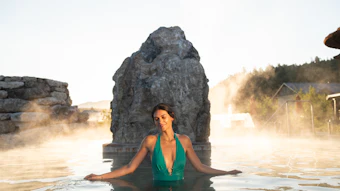
An elevated spa environment also offers something increasingly valuable in today’s fast paced world: an escape. Clients are seeking moments of stillness and restoration, where they can disconnect from external stressors and focus on their well-being. A mindful treatment room provides this opportunity, combining results driven care with an experience that supports emotional and physical balance.
Ultimately, mindfulness in the esthetic treatment room is not an added feature, it is the foundation of an elevated practice. By considering the client holistically and designing an environment that aligns with their needs, estheticians can create experiences that are both effective and meaningful. This approach not only enhances treatment outcomes but also strengthens the relationship between client and professional.
In a competitive industry, it is this level of intentionality that defines long-term success. When the environment reflects care, the service reflects expertise, and the experience reflects value, clients return not only for results, but for the feeling of being truly considered.