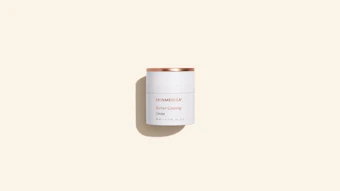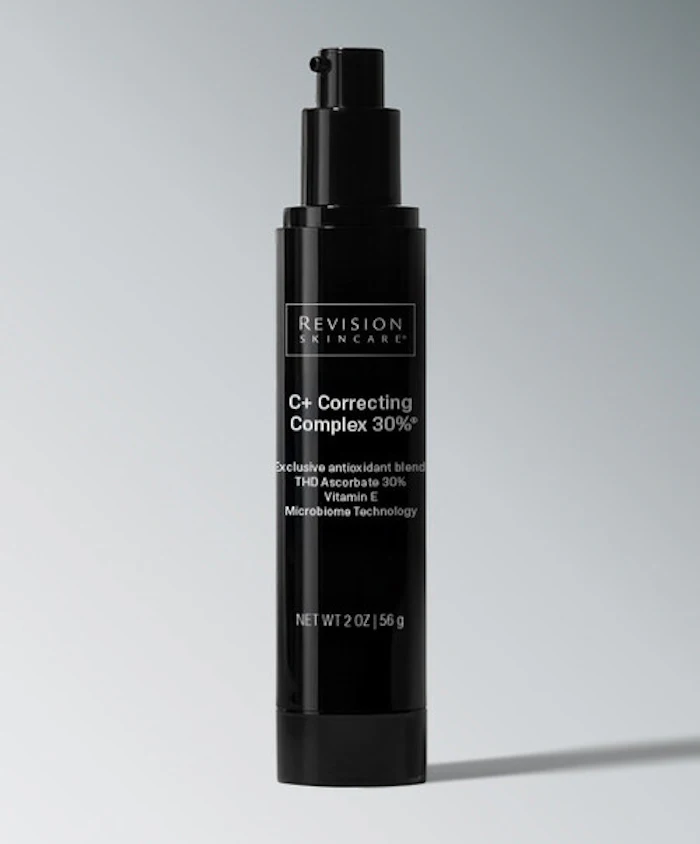
On April 9, physician‑dispensed medical‑grade skincare company, Revision Skincare, announced the publication of two peer‑reviewed clinical studies in the Journal of Cosmetic Dermatology, evaluating the cosmetic efficacy, tolerability and visible skin benefits of their C+ Correcting Complex 30% — a high‑strength vitamin C formulation featuring tetrahexyldecyl ascorbate (THD ascorbate).
The two peer‑reviewed studies demonstrated cosmetic benefits of the formula, add to the growing body of peer‑reviewed evidence supporting THD ascorbate as a stable, skin‑compatible vitamin C derivative used in advanced cosmetic skincare formulations.
Related: [Editor's Picks] 3 Essential Antioxidant Products for Winter
"At Revision Skincare, clinical validation is foundational to how we prove our products' efficacy," said Dr. Alisar Zahr, vice president of research and clinical development at Revision Skincare. "The publication of these peer‑reviewed studies underscores our commitment to rigorous science and highlights the role of THD ascorbate within C+ Correcting Complex 30% as part of our evidence‑based approach to skincare innovation."
What Was Studied?
The published research focuses on a high‑concentration THD ascorbate formulation and its ability to visibly improve multiple markers of skin quality when used consistently as part of a topical skincare regimen.
THD ascorbate is a lipid‑soluble vitamin C derivative used in cosmetic science for its formulation stability and skin‑mimicking properties. Unlike traditional water‑soluble L‑ascorbic acid, THD ascorbate is designed to better associate with the skin's lipid matrix, supporting penetration into the epidermis and dermis and improved cosmetic bioavailability.
Across both studies, investigators reported:
- Visible improvement in overall skin appearance
- Increased skin radiance and brightness
- Improved tone evenness and surface texture
- Reduction in the visible appearance of photodamage and uneven pigmentation
- Demonstrated skin compatibility and cosmetic tolerability during regular use
Preclinical findings also demonstrated robust buffering of reactive oxygen species (ROS) induced by high‑energy visible (blue) light, as well as significant inhibition of melanogenesis and improvements in overall skin architecture, including the epidermis, dermal‑epidermal junction and dermis.
Related: Blood Bacteria Yields Powerful Anti-aging Compounds
Together, these findings support the use of THD ascorbate as an effective vitamin C alternative, delivering visible cosmetic benefits while addressing common formulation, stability and tolerability challenges historically associated with high concentrations of L‑ascorbic acid.
Study Design Overview
- Evaluation of a high‑concentration tetrahexyldecyl ascorbate (THD ascorbate) formulation
- Preclinical, ex vivo and randomized, double‑blind human clinical evaluations
- Adult subjects using the study product within a defined skincare regimen
- Multiple assessment visits to evaluate changes from baseline
- Investigator grading of visible skin attributes, including tone uniformity, radiance, texture and overall appearance
- Advanced imaging technologies, including VISIA‑CR®, Primos 3D® and Antera 3D®, to support objective analysis
- Subject self‑assessment questionnaires measuring perceived cosmetic benefits and product experience
- Monitoring of skin compatibility and cosmetic tolerability throughout the study period
Full studies: