For decades, acne has been treated as a problem to eliminate, targeting bacteria, stripping oil, and suppressing inflammation, but what if acne is not something to fight, but something to understand? Emerging science is shifting the conversation away from eradication and toward regulation, communication and balance. The skin is not simply reacting to bacteria, it is responding to a complex network of signals within the pilosebaceous environment. Through the lens of quorum sensing and peptide science, acne can be approached in an entirely new way: not by disrupting the skin, but by working with its natural mechanisms. This evolving perspective opens the door to modified treatment strategies that support microbiome balance, regulate inflammatory signaling and encourage healthier skin function without relying solely on traditional aggressive ingredients or medications.
Acne vulgaris, cast as the primary villain, has been described as a bacterial condition, with Cutibacterium acnes (C. acnes), formerly known as Propionibacterium acnes (P. acnes). Yet modern microbiome research is revealing a more complex story. The very bacterium long blamed for acne may actually play an important role in maintaining healthy skin. Rather than being an enemy of the skin, C. acnes is now understood to be a normal and often beneficial member of the skin microbiome. Acne may develop not simply from the presence of bacteria, but from disruptions in the delicate balance of the skin’s microbial ecosystem.
C. acnes is not an invading pathogen. In fact, it is one of the most abundant members of the normal skin microbiota and resides deep within the pilosebaceous unit. This bacterium contributes to skin health in several ways. By metabolizing sebum lipids, C. acnes produces short-chain fatty acids such as propionic acid, which help maintain the skin’s naturally acidic pH and discourage colonization by harmful microbes.
Certain strains of C. acnes also produce antimicrobial molecules that regulate microbial competition within the follicle. One recent discovery is a peptide antibiotic known as cutimycin, produced by specific strains of C. acnes. This molecule helps microbial communities within the follicle to remain balanced.¹ Discoveries like this highlight an important principle of microbiology: microorganisms constantly compete and cooperate to maintain balance within the skin ecosystem.
Rather than being inherently harmful, C. acnes is part of a complex microbial ecosystem that supports barrier function and immune regulation. Acne appears to develop not simply from the presence of this bacterium, but from disruptions within the delicate balance of the pilosebaceous unit. This structure includes the hair follicle and its associated sebaceous gland, where sebum production, microbial activity and inflammation interact.
Microbial Diversity and Acne
Recent research has revealed that not all C. acnes strains behave the same way. Genetic analysis has identified multiple phylotypes, or distinct bacterial subgroups, that differ in their biological activity. Some strains appear more commonly in healthy skin, while others are more frequently associated with inflammatory acne.² Healthy skin typically contains a diverse population of C. acnes phylotypes living alongside other commensal microbes.
In acne-prone skin, however, this diversity often decreases, allowing certain inflammatory strains to dominate the follicular environment. This loss of microbial diversity, often referred to as microbiome dysbiosis (imbalance), may play an important role in triggering inflammatory responses. Rather than the simple presence of bacteria, acne may therefore be driven by shifts in microbial balance within the follicle.
Understanding this concept has led many researchers to reconsider traditional approaches that aim to eliminate bacteria altogether.
Acne as a Network of Interconnected Pathways
Acne develops through several biological processes occurring within the pilosebaceous unit. These include increased sebum production, follicular hyperkeratinization, where skin cells within the follicle accumulate and fail to shed properly, microbial imbalance and inflammatory immune responses. When these factors converge, the follicle becomes blocked, forming what is known as a microcomedone, the earliest stage of acne development.
However, these processes are influenced by signals that extend beyond the skin itself. Hormones, metabolic pathways, stress responses and even the gut microbiome can influence sebaceous activity and inflammatory signaling. Many of these signals, including certain hormones, immune mediators and microbial communication molecules, are peptide-based messengers that help coordinate biological activity throughout the body.
For example, insulin, which can be influenced by diet, are known to increase sebaceous gland activity and inflammatory responses in the skin.³ Stress can also influence acne through hormonal signaling. During periods of stress, the body releases hormones, that can stimulate sebaceous glands and increase inflammatory responses in the skin.
Another emerging area of research involves the gut-skin axis. The gut microbiome produces metabolites and immune signals that circulate throughout the body and may influence inflammatory pathways within the skin.⁴ Viewed through this broader lens, acne becomes less of a localized bacterial problem and more of a complex biological network influenced by internal and external signals.
The Future of Acne Care: Bacterial Communication and Quorum Sensing
Quorum sensing, the way bacteria communicate and coordinate behavior, is reshaping how estheticians can view acne, ingredients, and treatment strategies. Instead of working against the skin, this perspective encourages working with the skin’s natural systems, using targeted ingredients like peptides to influence microbial behavior, reduce inflammatory signaling, and restore balance. This shift opens the door to reimagining acne care, moving from aggressive correction to guided regulation and long-term skin health.
Quorum sensing allows bacteria to release signaling molecules that help them detect how many other bacteria are nearby. When bacterial populations reach a certain threshold, these signals can activate coordinated behaviors such as enzyme production, biofilm formation and inflammatory responses.
In the case of C. acnes, these signaling systems may influence how bacterial populations interact with the immune system and contribute to inflammation within the follicle. One promising aspect of peptide research is that these molecules may influence microbial behavior without necessarily eliminating bacteria outright.
Many bacteria regulate their activity through signaling systems that coordinate their behavior within a microbial community. Peptides that interfere with these signaling pathways may disrupt bacterial coordination, preventing the activation of inflammatory processes while allowing beneficial members of the microbiome to remain present. In many ways, these strategies work by leveraging the same communication systems microbes already use to interact with one another.
Rather than attempting to “sterilize” the skin, these approaches aim to influence bacterial behavior and restore balance within the follicular environment.
The Skin’s Natural Defense: Antimicrobial Peptides
The skin also possesses its own sophisticated defense system in the form of antimicrobial peptides, often referred to as AMPs. These molecules have been widely studied in biochemistry and immunology because they act as key regulators of microbial balance across many biological systems.
These small signaling molecules are produced naturally by keratinocytes and immune cells as part of the innate immune response. Unlike traditional antibiotics that broadly eliminate bacteria, antimicrobial peptides can influence microbial populations in more selective ways.
They can disrupt potentially harmful bacteria while helping maintain balance among commensal microbes that contribute to healthy skin. In acne-prone skin, the expression of these peptides often increases as part of the skin’s attempt to restore equilibrium when inflammation or barrier disruption occurs.
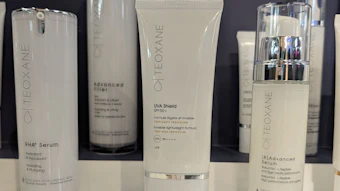
Advances in biotechnology are also allowing researchers to explore peptide fragments produced through microbial fermentation. Certain ingredients derived from bacterial species, including Bacillus, can generate bioactive peptides that interact with microbial communities on the skin. Rather than functioning as harsh antimicrobial agents, these peptides may help regulate bacterial behavior, reduce inflammatory signaling and support microbiome balance within the follicle.
Topical peptides, particularly antimicrobial peptides (AMPs), can help regulate quorum sensing by interfering with the signaling molecules bacteria use to coordinate inflammatory activity. Instead of eliminating beneficial microbes, these peptides work to disrupt bacterial communication, preventing the cascade of events that lead to biofilm formation, excess inflammation, and breakouts. By influencing microbial behavior and supporting the skin’s natural defense systems, AMPs help restore balance within the follicular environment, leading to fewer acne occurrences and more stable, resilient skin.
Toward a More Balanced Approach to Acne Care
The evolving understanding of acne suggests that the condition is not simply a bacterial infection but a disruption of a complex biological ecosystem. Sebum production, follicular keratinization, microbial signaling, immune responses and systemic influences all interact within the pilosebaceous unit.
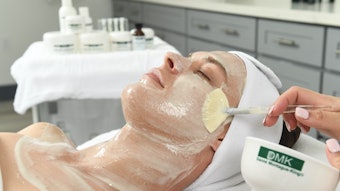
For skincare professionals, this emerging science highlights the importance of treatment strategies that aim to restore balance rather than aggressively suppress individual components of the system. Supporting the skin barrier, maintaining microbiome diversity, regulating inflammation and encouraging healthy cellular turnover help create an environment where acne is less likely to develop.
As research continues to uncover new insights into microbial communication and peptide biology, the future of acne care may increasingly focus on working with the skin’s natural systems rather than against them.
References
- Claesen J., Spagnolo J.B., Ramos S.F., et al.
Cutibacterium acnes produces a thiopeptide antibiotic that shapes the composition of the human skin microbiome.
Science Translational Medicine. 2020;12(570) - Dagnelie M.A., Khammari A., Dréno B., Corvec S.
Cutibacterium acnes phylotypes and acne pathogenesis.
Journal of the European Academy of Dermatology and Venereology. 2019. - Melnik B.C.
Linking diet to acne metabolomics, inflammation, and comedogenesis: an update.
Clinical, Cosmetic and Investigational Dermatology. 2015. - Salem I., Ramser A., Isham N., Ghannoum M.
The gut microbiome as a major regulator of the gut-skin axis.
Frontiers in Microbiology. 2018.