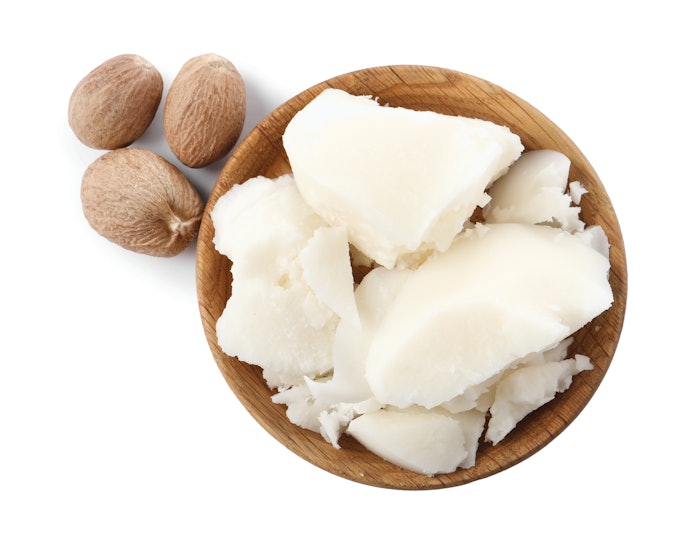
Shea butter is no stranger to the spa and professional skin care community. We love it and use it all the time, but how much do we actually know about this rich emollient? In this article, we will talk about the history of shea butter in skin care, its benefits to the skin and discuss how it is currently being used in finished product and in the treatment room.
History in Skin Care
Shea butter comes from the nut of Vitellaria paradoxa, a tree common in Africa, growing in the savannah from western Senegal to eastern Sudan. It is said to grow in 21 African countries, where it is has a variety of names in different languages. One example you may have heard of it karité, its name in the Wolof language of Senegal.
Like so many beauty products, shea butter's use in beauty dates back to Cleopatra. She was said to have a jar of shea butter at the ready for cosmetic application. Not only did she use it on her skin, but she also used it in her hair. It has been used for so many centuries in Africa for cosmetic and therapeutic use. It also has uses in food prep for cooking or frying.
Shea Butter Composition and Production
Shea butter is a fat from this nut, comprised mostly of stearic acid and oleic acid, though it also contains palmitic, linoleic and arachidic acid. Though oleic and stearic acid make up the majority of shea butter, their percentage varies based on the variety of shea butter tree and where it is grown. This can influence the shea butter's consistency.
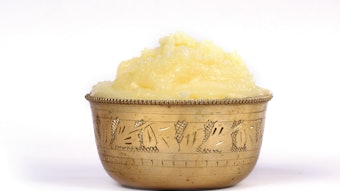
We would be remiss if we didn't mention how important shea butter production is to the women in Africa. Women in shea-producing countries are mostly involved in producing and selling shea butter, so purchasing products with fair trade shea butter helps to support them. Its production involves harvesting the shea nuts, drying them in the sun, roasting them, crushing them into a paste, adding water, churning to separate and collecting the fat. As you can see, this process is quite detailed, but it has been mastered by the women in this region for centuries. Unrefined shea butter is ivory in color, but it is often dyed gold in production. It is referred to as "woman's gold" in the area not only for its color, but also for the revenue it bring in for women in the shea belt.
Skin Care Benefits
Apart from its fatty acid content, shea butter also contains high amount of vitamin E and vitamin A. This composition makes it very beneficial to skin and hair care.
In hair care, its moisturizing properties allow it to not only moisturize the scalp but also smooth cuticles and reduce breakage. It can also add shine to the hair. In skin care, it is primarly used as a moisturizer, helping to add moisture to dry, damaged skin. Though shea butter is moisturizing, it can clog pores for those struggling with acne. Its vitamin A content helps it to aid in cell turnover and skin regeneration.
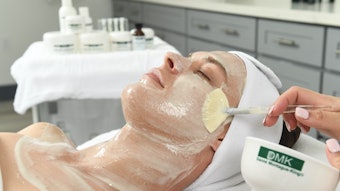
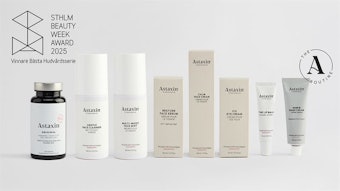
So, let's take a look at who is using shea butter in professional skin care and spa treatments.