As a professional in the skin care industry, it is your responsibility to make people feel good and to know things; mostly, things about skin, facial treatments, massage and ingredients. Here are some skin science 101 facts to remember and convey to clients.
Skin aging
There are more than 300 theories about why skin ages. The most prevalent and accepted in the scientific community is the theory of oxidation, which suggests that oxygen by-products known as reactive oxygen species (ROS), including free radicals, are the main culprits in aging. Almost all skin care resources are replete with explanations about how free radicals are bad for the skin because they accelerate aging, and how the sun increases skin aging, because the sun is the main source of free radicals. Here are some additional facts related to the theory of oxidative aging that may be less commonly known.
- Inflammation is another major source of free radicals. Because of this, reducing inflammation will decelerate aging. Inflammation can be reduced by incorporating anti-inflammatory ingredients in your clients’ skin care routine, and by avoiding excessive inflammation-inducing treatments, such as peels.1
- Antioxidants, whether natural or synthetic, are the best defense against oxidants. Different types of antioxidants work through different mechanisms of action: some prevent the formation of free radicals; some neutralize existing free radicals; and others increase the skin’s defense mechanisms. As a result, combinations of antioxidants are more therapeutically effective than individual antioxidants.2
Ingredient penetration
What about the penetration of ingredients? This is a particularly two-sided topic. Various so-called controversial ingredients, such as parabens, propylene glycol, sodium laurel sulfates and phtalates, are nefarious because they must penetrate to the cellular level; however, many professionals and clients don’t believe products are effective if the active ingredients do not penetrate the skin to get where they need to go.
It is important to review the three layers of skin.
Epidermis. This is the top layer of the skin that contains corneocytes, meratinocytes and melanocytes, the cells responsible for melanin.
Dermis. This layer maintains the mechanical properties of the skin and serves as the water reservoir of the skin, thanks to the extracellular matrix. The dermis contains fibroblasts, collagen, elastin and hyaluronic acid.
Hypodermis. This layer is loose tissue containing collagen and extracellular matrix, as well as adipocytes that form clusters that store fat.
The stratum corneum is the layer of skin overlaying the epidermis. It is a complex layer that is composed of nondividing cells embedded in a live environment. Because it is the uppermost layer of the epidermis, its penetration is not as questionable as, for example, penetration to the dermis of ingredients said to activate collagen and elastin production. And a healthier and stronger stratum corneum will better protect the epidermis, which will make a difference in its health and appearance.
High-tech treatments
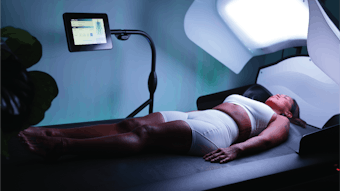
With the development of new technologies, and the continued growth of the medical esthetics segment, it is common for day spa clients to ask therapists about laser treatments and the latest fat-melting techniques. Although all of these questions should be referred to a medical professional, here are a few things to keep in mind.
Lasers and light-emitting devices (LED). Not all LEDs are lasers. Indeed, in order to be a laser, the light being emitted by the device has to be of a single wavelength (monochromatic), coherent and collimated. An intense pulsed light (IPL) device, for example, is not a laser, because its light is not of a single wavelength.
Fat-melting. Yes, there is such a thing as fat-melting. Since the emergence of fractionated resurfacing, this may be the most significant breakthrough in medical devices. Some brands claim to be able to get rid of stubborn fat through cryolipolysis, or the freezing of fat.
Although these treatments are typically performed in a medical setting, numerous traditional skin care treatments can be combined with these for optimal therapeutic results.
The reality of retail
As a skin care professional, it is your responsibility to educate and treat clients, and to enhance their wellness. Part of the latter responsibility lies in making sure they leave your skin care facility with a regimen of at-home care—whether that includes skin care products, body products, vitamins or supplements—that will potentiate and enhance the benefits of the treatments they have received in your facility. The science described in this article should help you make the optimal retail recommendations. For example, if your client’s skin is reactive and inflamed, explaining the benefits of anti-inflammatory products, including their anti-aging effect is ideal. Further, focus on the need to complement slimming treatments, such as fat-melting, with proper exercise and the right topical product to ensure higher satisfaction among your clients. Overall, every additional nugget of knowledge enables you to not only be a better therapist, but also to be a more successful salesperson.
The ultimate purpose
No matter how important science is to skin care, and to the skin care industry as a whole, your ultimate purpose is to make your clients feel better. Look better, yes, but ultimately the mission of the skin care industry goes beyond looks. It is as crucial as ever to remind clients to take care of themselves, and to encourage them to disconnect and de-stress
REFERENCES
1. MA Dibon, Inflammation and Aging, GCI magazine, 179(4) 48–49 (Mar 2011)
2. Oxidant/antioxidant imbalance in skin aging: environmental and adaptative factors, Reviews on Environmental Health 13(3) 147–168 (1998)
Ada Polla is the president, CEO and co-creator of the Swiss antioxidant skin care line Alchimie Forever. She has professional consulting experience and product management expertise in the medical device industry. Polla was a founding member and is the treasurer of the Washington Spa Alliance, contributes to numerous magazines, and frequents leading universities and industry conferences as a guest speaker. She was featured on the cover of Business Week Small Biz and was a nominee for the Emerging Entrepreneur of the Year award for Entrepreneur magazine.