Log In
Register
Facebook icon
Instagram icon
Pinterest icon
Twitter X icon
Science
Ingredients
Physiology
Science
Ingredients
Jar Deconstructed: Lumenato
Not all great skin ingredients need to come into direct contact with it.
Ingredients
Science4Beauty Develops Miorelaxant Magic Amid Peptide Craze in Cosmetics
Industry News
Core Biogenesis Announces Second Exclusive Webinar Following Breakthrough Retinol Comparison Results
Latest
Sponsored
The Business of Boundaries: Avoiding Compassion Fatigue
Feeling drained after a full day of clients? Learn how to protect your energy and avoid compassion fatigue without losing your passion for skincare. Read Vagaro's latest guide to learn more.
Ingredients
Jar Deconstructed: Azelaic Acid
Serving skin care since 1970, the positive effects of azelaic acid were first observed in Rome, when used on the scaly, discolored patches of pityriasis versicolor lesions.
Ingredients
The Power of Exosomes in Spa Treatments
Exosomes are rapidly gaining attention in the wellness industry for their powerful ability to support cellular repair and rejuvenation.
Industry News
Ready Set Jet Approved for Space Travel
Ready Set Jet became the first beauty brand certified and approved for space travel—and not a moment too soon, as their skin care batons were scheduled to go into orbit aboard the Axiom4 Space Mission on June 9.
Devices/Tools
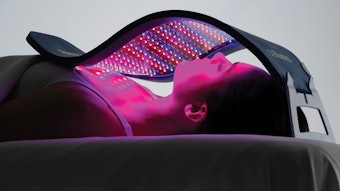
Effective Acne Solutions with LED Light Therapy
In the ever-evolving world of skin care, light therapy has become one of the most powerful tools in a professional aesthetician’s tool kit.
Health
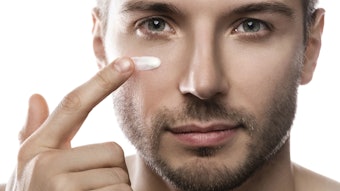
Men's Wellness and Spa Services
Get ready to embark on an exhilarating journey into the world of men's wellness and spa experience!
Industry News
Macro Oceans Launches Big Kelp Flex to Eliminate Microplastics
California-based biotech company Macro Oceans launched Big Kelp Flex, its new seaweed cellulose ingredient.
Physiology
How to Identify and Treat Pre-Acne Skin - Part II
Once you’ve learned to spot the early signs of acne, the next step is understanding why it’s happening and how to intervene in a way that respects the skin’s balance.
Physiology
Splotched! Understanding and Managing Melasma
It came from out of nowhere.
Trends
Skin Care Industry Trends
The skin care world is evolving fast.
Physiology
How to Identify and Treat Pre-Acne Skin
Acne rarely appears out of nowhere—long before visible breakouts emerge, the skin often sends subtle warning signs.