Log In/Register
Facebook icon
Instagram icon
Pinterest icon
Twitter X icon
Treatment
Facial
Body
Hair Removal
Men
Wellness
Makeup
MedSpa
Sun Care
Wellness
Spas
Custom OSEA Spa Treatments Launched at Benchmark Resorts & Hotels for World Oceans Day
The independent hotel collection partners with OSEA to launch Ocean Renewal, turning ocean-powered spa treatments into meaningful moments of impact at coastal resorts in Florida, Cape Cod, and Bermuda.
Featured
Home
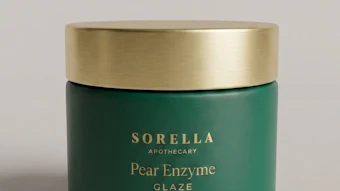
Pear Enzyme Glaze: Where Fruit Enzymes Meet Barrier Health
Sorella Apothecary’s Pear Enzyme Glaze delivers brighter, smoother skin after just one use — powered by a trio of fruit enzymes, dual AHAs, and ingredients that actively support barrier health.
Sponsored
The Future of Clean Clinical Skincare Arrives at Spa Collab
Designed for today’s discerning esthetician, Green Envee bridges the gap between advanced actives and plant-based therapeutics, offering a professional skincare line that delivers visible results while supporting overall skin health and balance.
Read the latest issue
June 2026
Top Headlines
Trends
Minding Your Business: Keyara Amorosi
Facial
emerginC's "Walk in the Woods" Facial
Sponsored
The Future of Clean Clinical Skincare Arrives at Spa Collab
Devices/Tools
Light Therapy: The Perfect Modality for Every Treatment You Already Offer
Latest
Wellness
Best Practices for Addressing the Needs of the Unwell Client
The world is not well.
Wellness
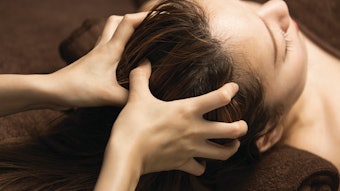
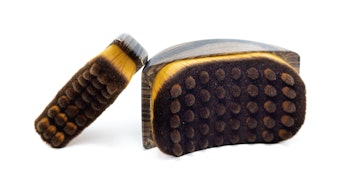
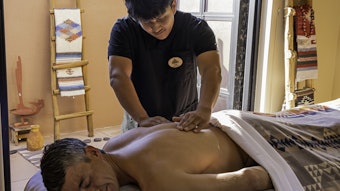
The Power of Scalp Massage in Elevating Client Treatment
There are many ways to enhance treatments, but one of the simplest and most effective is a great scalp massage.
Equipment/Tools
8 Things You Need to Know About Lymphatic Massage
Social media, Instagram and TikTok mainly, have been allowing lymphatic drainage to soar in popularity with the rise of "lymphfluencers" who've been positioning techniques as a solution for those looking for a more defined jawline and reduced puffiness.
Sponsored
The Future of Clean Clinical Skincare Arrives at Spa Collab
Designed for today’s discerning esthetician, Green Envee bridges the gap between advanced actives and plant-based therapeutics, offering a professional skincare line that delivers visible results while supporting overall skin health and balance.
Industry News
Tamaya Mist Spa & Salon Announces New Membership Program and Summer Specials
Are you using your spa's seasonal offerings to grow your membership base? This spa is using one to strengthen the other for the ultimate hosted wellness experience in the Southwest.
Trends
Skin Care Industry Trends
The skin care world is evolving fast.
Treatment
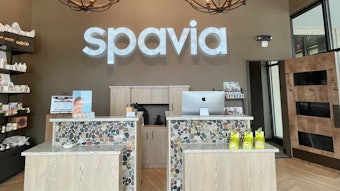
Check Out What Inspires Spavia's Spaces
Spavia was founded in 2005 by Allison and Marty Langenderfer to support a client's journey to wellness by giving them customized treatments in a relaxing environment.
Business
6 Ways To Get Esthy Self Care
Once you are in this industry you realize how hard it is to get a treatment or find time for wellness. Here are my tips to assist you in keeping well.
Wellness
5 Spas Doing Self Care Right
We took a peek at how spas across the country are offering self care to the clientele, and we selected these spas for their unique and effective approach to self care.
Equipment/Tools
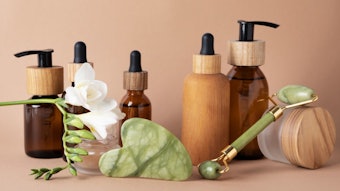
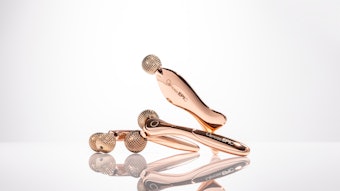
4 Tools You Need In Your Facial Room
Treat yourself to a new tool this holiday season and take your facial game to the next level. Read about four amazing tools that can boost product efficacy, reduce inflammation and so much more. Also, watch a live demo of these tools in action.
Wellness
5 Self Care Superstars
Even though it is all done in the name of holiday spirit, we cannot fill up the cup of others and leave ours empty.
Ingredients
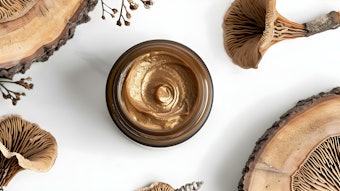
Jar Deconstructed: Reishi Mushroom
Reishi mushroom is a fungus with benefits for not only skin but also overall health. You can find Ganoderma lucidum in hot and humid areas of Asia, where is has a storied historical use to provide a variety of health benefits.