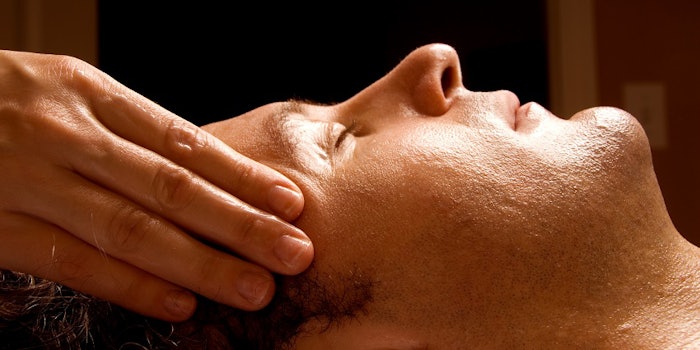
Massage, particularly facial massage, is one of the most pleasurable and intimate aspects of topical facial treatments; however, it is about more than just feeling good. When used correctly, massage can improve many skin conditions and your skin care facility’s bottom line. By identifying the best ways to use facial massage in a therapeutic manner; learning which skin issues benefit the most from massage; and discussing the many ways implementing results-focused massage techniques can increase revenue and repeat client visits, the skin care professional can better use this method of treatment on a daily basis.
Increasing the benefits of facial massage
Focusing less on specific massage techniques—such as effleurage, tapotement and friction—and more on light manipulations designed to increase blood flow and cellular oxygenation will allow for more deliberate and consistent treatment. Although the aforementioned techniques are effective and carry their own unique benefits, a facial massage does not have to be a 20-minute-long event in which multiple massage methods are used. By simply stroking the face using a beneficial massage medium, circulation is increased, stimulating a wound-healing response in the skin and providing a healthy glow to any complexion.
Massage mediums come in a variety of consistencies, such as creams, oils, lotions and gels and, while some provide beneficial ingredients to the skin, others do little more than provide slip during the massage process. This is another opportunity to increase treatment outcomes during massage. Product consistency should be selected based upon the individual client.
- Clients with dry skin may benefit most from a cream or oil.
- Acne clients may benefit most from a gel.
- A variety of skin types benefit from a light lotion-like product that absorbs nicely without leaving a heavy residue.
Choosing a massage product that provides adequate slip, as well as key ingredients capable of improving skin health and function, adds another corrective element to any topical procedure. It is wise to select a product formulated specifically for facial use to avoid comedogenicity concerns. See Beneficial Topical Ingredients on for examples of topical agents that supply benefits and are appropriate for use during facial massage.
Inflamed skin conditions
Massage can greatly benefit acne, rosacea and other inflamed skin conditions. Acne is a wound to the skin, and increasing blood flow encourages the healing process. Many skin care professionals are taught to avoid massage with acne clients because of the risk of cross-contamination and overstimulation. Although this is a valid concern and many traditional massage techniques are not appropriate for acne sufferers, light manipulation for a short period of time increases blood flow, which brings oxygen to the skin, killing the anaerobic bacteria responsible for breakouts and providing significant improvement. Similar to acne, rosacea and other sensitive skin conditions involve chronic inflammation, which also benefits greatly from the enhanced circulation associated with massage. When dealing with acne and other inflamed conditions, limit massage time to no more than 10 minutes.
Visible aging and dull complexions
There is no denying that massage of any kind improves the appearance of the skin for a short period of time after a treatment. This instant improvement is again due to an increase in blood flow and, ultimately, an increase in cellular oxygenation. As with many aspects of the skin, circulation decreases with age, leading to a dull appearance. Massage improves circulation, leading to a more youthful complexion. Clients who smoke and those who engage in air travel regularly also benefit from enhanced circulation, because smoking and air travel limit the amount of oxygen obtained by the cells, leading to lifeless complexions. See Facial Protocol With Massage for step-by-step instruction of how this facial massage should be administered.
After treatment
The most well-known type of therapeutic facial massage is lymphatic drainage. This technique involves gentle massage of the lymph nodes in order to encourage cellular detoxification. Lymphatic drainage is often used—and is highly effective—after surgery to reduce edema and increase healing time. Basic massage, however, can be beneficial following less invasive procedures, as well. IPL, laser and superficial chemical peels induce at least a small amount of inflammation in the skin, and utilizing a light stroking technique five to seven days after treatment will allow the skin to return to its baseline at a faster rate, allowing for quicker results.
Incorporating into existing protocols
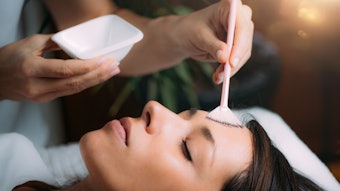
Massage is most often incorporated in a standard facial following the exfoliation and steaming process, because the skin is believed to absorb more moisture and nutrients immediately after this step.
Superficial chemical peel procedures can also incorporate massage. Because chemical peels tend to provide deeper exfoliation than the masks used in facials, massage is typically recommended before the application of the acid. Performing massage at this point will prevent overstimulation after the peel has been applied. Skin care professionals should limit their massage time to no more than 10 minutes when incorporating facial massage with a superficial chemical peel. Massage is not recommended in conjunction with medium or deep peels. See Superficial Chemical Peel Protocol With Massage for step-by-step instruction of how this facial massage should be administered.
The bottom line
The fact is that clients want results. The faster skin care professionals can provide these results, the more loyal their clients become. Most will gladly pay a higher price for a more beneficial service; therefore, anywhere increased results can be provided will impact the success of a skin care facility. If you are not already offering facial massage in your protocols, consider including a $25 upcharge for a 10-minute corrective massage. Conversely, if you already offer massage as a standard part of your protocol, consider discussing the many therapeutic benefits of massage with clients. A good experience often has a viral effect—once clients see that their skin care professional goes above and beyond to give the best treatment possible, referrals are sure to follow. By making the most of every treatment opportunity, skin care professionals can increase outcomes and, in turn, increase revenue and clientele.
After becoming a licensed esthetician in 2003, Danae Markland is a licensed esthetician and the career development manager for PCA Skin. She shares her passion for skin health with fellow estheticians and medical professionals at presentations domestically and internationally. Markland can be contacted at [email protected].