Log In/Register
Facebook icon
Instagram icon
Pinterest icon
Twitter X icon
Business
Trends
Staff
Finance
Marketing
Customer Service
Retail
Industry News
Regulatory
MedSpa
Business
Industry News
MassageLuXe Launches the Wellness Entrepreneur Grant
Featured
Industry News
Massage Envy Celebrates 20 Million Skin Care Services Milestone
Achievement highlights more than 17 years of growth in personalized, accessible, and results-driven skin care
Sponsored
The Future of Clean Clinical Skincare Arrives at Spa Collab
Designed for today’s discerning esthetician, Green Envee bridges the gap between advanced actives and plant-based therapeutics, offering a professional skincare line that delivers visible results while supporting overall skin health and balance.
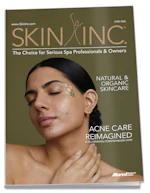
Read the latest issue
June 2026
Top Headlines
Regulatory
Acne Care Under Pressure: How Estheticians Stay Effective Without Crossing the Line
Sponsored
The Future of Clean Clinical Skincare Arrives at Spa Collab
Face
Viral K-Beauty Skincare Brand Round Lab Launches at Olive Young’s First U.S. Store in Pasadena
Industry News
SkinCeuticals Becomes the Official Skincare Partner of Scuderia Ferrari HP
Latest
Industry News
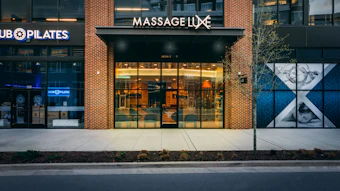
MassageLuXe Targets Nashville for Scalable Franchise Opportunities
Wellness franchise prioritizes Music City for multi-unit expansion amid rising demand for membership-based self-care services
Industry News
Spavia Names Heather Holland COO to Support Next Phase of Growth
Former CorePower Yoga executive and Upswell founder joins leadership team as Spavia and Sway continue national growth
Sponsored
The Future of Clean Clinical Skincare Arrives at Spa Collab
Designed for today’s discerning esthetician, Green Envee bridges the gap between advanced actives and plant-based therapeutics, offering a professional skincare line that delivers visible results while supporting overall skin health and balance.
Body
Young Woman Creates Eczema Patches
Mind the Skin Provides a Holistic Approach to Flare Care
Industry News
AMAALA Triple Bay Development Recognised by Global Wellness Institute USA
Red Sea Global honored for creating one of the world’s leading sustainable wellness-oriented real estate destinations.
Industry News
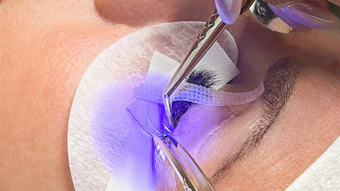
The Lash Lounge Redefines Guest Experience with Debut of "Purple Light" Service
Industry News
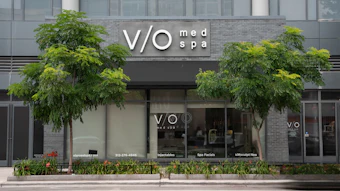
VIO Med Spa Adds 10 New Franchise Owners Across Key U.S. Markets
Franchise growth accelerates as VIO expands coast-to-coast with new physician-led med spa locations across key U.S. markets.
Industry News
Kensing Unveils Its First Fully Upcycled Biosurfactant Platform for Personal and Home Care Applications
Regenyl™ and Revolis™ set a new benchmark for palm-free, low-carbon, fermentation-derived biosurfactants in North America
Devices/Tools
Skin Science Solutions Announces Nationwide Rollout of MesoJet Centers of Excellence to 20 Major U.S. Markets
Devices/Tools
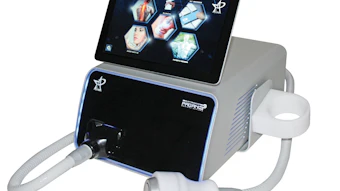
Skin Science Solutions Redefines Facial Aesthetics with the Launch of the Pagani Star Face Pro
The Pagani Star Face Pro Is a Triple-Modality Thermal Contrast System
Industry News
Paula’s Choice Skincare Joins FIFA World Cup 2026/2027 as an Official Skincare Sponsor
Body
Biolage Launches Its Hydra Source Moisture Method Serum
The Serum is a
Skincare-Inspired Approach to Hair Wellness